McConnell provides health update after long unexplained absence; says he suffered fall
Source Entity
US Top News and Analysis
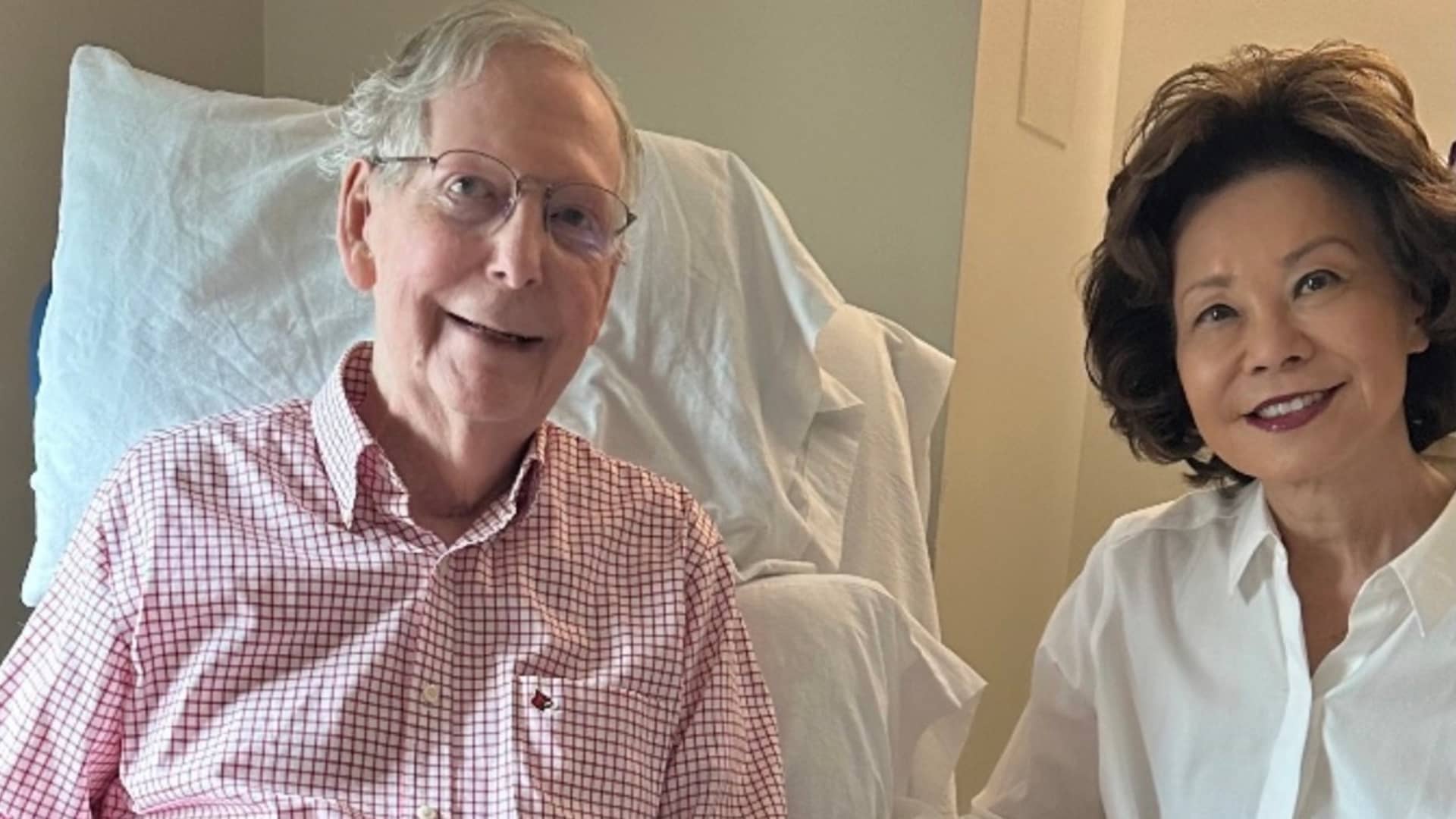
McConnell is the longest-serving party leader in Senate history.
Analysis of Senator Mitch McConnell's Health Update and Leadership Status
The Return to Public View
Senator Mitch McConnell's recent emergence and subsequent health update mark the end of a period of significant uncertainty within the United States Senate. For a high-ranking official of his stature, any unexplained absence is rarely viewed as a private matter; rather, it is treated as a political event. The revelation that his absence was the result of a fall provides a concrete explanation for the lack of visibility, but it also underscores the vulnerability that comes with age in the highest echelons of government power. The tension surrounding his silence highlights the intense scrutiny placed on leadership figures whose daily presence is essential for legislative coordination.
The Weight of Historical Seniority
To understand the gravity of this health update, one must consider McConnell's unique position as the longest-serving party leader in Senate history. This record is not merely a statistical achievement but a testament to his immense influence over the American judicial system and legislative framework over several decades. Because he has held the reins of leadership for longer than any other individual in this role, his personal health is inextricably linked to the strategic continuity of the Republican party. A leadership vacuum, even a temporary one, can lead to internal factionalism and a loss of momentum on key policy initiatives.
Broader Implications for Senate Governance
Beyond the immediate health concern, this incident brings to the forefront the broader discussion regarding the age of leadership in the U.S. government. When the most senior leader in the Senate suffers a fall that leads to a prolonged absence, it prompts an inevitable analysis of succession planning. The Senate operates on a system of seniority and established hierarchies; therefore, the potential impairment of a leader like McConnell creates a ripple effect that impacts everything from committee assignments to the timing of critical votes. The transition of power in such roles is often fraught with tension, making any health update a signal to both allies and opponents.
Impact on GOP Strategic Coordination
From a strategic standpoint, McConnell's absence occurs at a time when the Republican party must maintain a disciplined front to challenge legislative agendas. His role as the primary strategist for the GOP in the Senate means that his ability to communicate and negotiate is paramount. The uncertainty caused by his unexplained absence likely hampered the party's ability to project a unified voice. By clarifying that a fall was the cause, McConnell attempts to stabilize the narrative and reassure his caucus that the leadership structure remains intact, though the event inevitably raises questions about his long-term capacity to manage the grueling demands of the Senate.
Future Trends in Political Leadership
Looking forward, this event is likely to accelerate discussions within the Republican party regarding the eventual transition of leadership. While McConnell's experience is an asset, the physical risks associated with aging—such as the fall mentioned in the update—serve as a catalyst for younger senators to begin positioning themselves for future leadership roles. We can expect an increase in the visibility of secondary leaders who can step in during times of crisis, ensuring that the party's operations are not overly dependent on a single individual, regardless of their historical standing.
Conclusion
In summary, Mitch McConnell's health update serves as more than just a personal clarification; it is a political necessity. While the cause of his absence—a fall—is a common occurrence, its intersection with his role as the longest-serving party leader transforms it into a matter of national political interest. The event highlights the delicate balance between personal privacy and the public's need for stability in government leadership, leaving the Senate to navigate the complexities of aging leadership in an era of high political polarization.