Anthony Zurcher: From Trump critic to ally, Lindsey Graham was a political survivor of the Maga era
Source Entity
BBC News
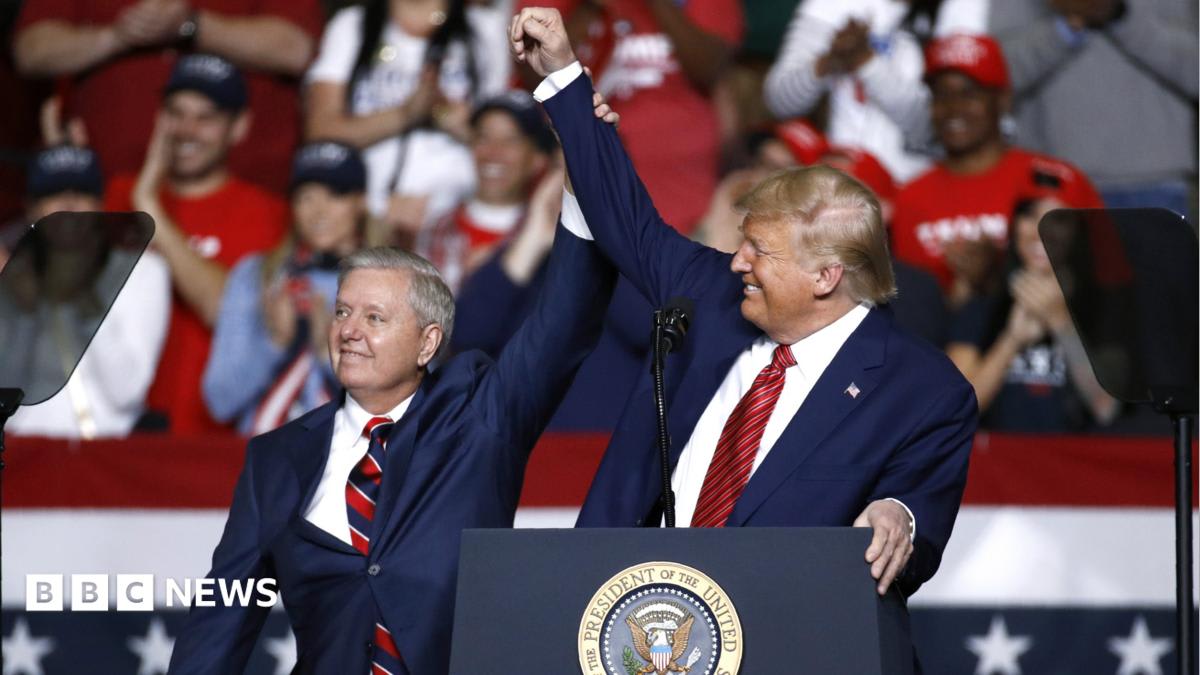
The senator's career was marked by a willingness to adapt to America's dramatically changing political climate, writes the BBC's North America correspondent.
The Art of Political Adaptation: Analyzing Lindsey Graham's Evolution
In a recent analysis by BBC North America correspondent Anthony Zurcher, Senator Lindsey Graham is framed not merely as a politician, but as a master of political survival. The core of Zurcher's observation lies in Graham's dramatic ideological and rhetorical pivot, moving from a position of sharp criticism toward Donald Trump to becoming one of his most loyal defenders. This transition serves as a potent case study in how individual political actors navigate seismic shifts in party identity and voter sentiment.
From Critic to Confidant: The Early Friction
To understand the magnitude of Graham's shift, one must look back at the early days of the MAGA movement. Initially, Graham represented the traditional, neo-conservative wing of the GOP—focused on institutional norms, a specific brand of internationalism, and a more conventional approach to governance. During the 2016 cycle, the friction between Graham and Trump was palpable, with Trump frequently attacking Graham's record and loyalty. However, as the Republican base shifted decisively toward Trump's populist rhetoric, Graham recognized that the path to continued influence within the party required a fundamental realignment of his public persona.
The Mechanics of Political Survival
Zurcher's analysis emphasizes that Graham's adaptation was a strategic necessity. In the current political climate, particularly within the South Carolina electorate and the broader GOP, alignment with the MAGA movement became the primary currency of power. By pivoting to support Trump, Graham avoided the political exile faced by other 'Never Trump' Republicans. This shift was not merely about avoiding defeat, but about maintaining a seat at the table where critical decisions regarding judicial appointments and legislative priorities were being made. His survival highlights a pragmatic, if controversial, approach to political longevity: adapting to the leader of the movement to preserve institutional relevance.
Mirroring the GOP's Broader Transformation
Lindsey Graham's personal evolution is a microcosm of the Republican Party's broader metamorphosis. The party has moved away from the Reagan-era consensus of free trade and interventionist foreign policy toward a more nationalist, populist framework. Graham's ability to mirror these changes in real-time reflects the overarching pressure on GOP lawmakers to prioritize loyalty to the party's current figurehead over long-held ideological consistency. This transition suggests that in the modern era, party loyalty is increasingly defined by personal allegiance to a leader rather than adherence to a static platform.
Implications for Future Political Trends
Looking forward, the 'Graham model' of survival may provide a blueprint for other politicians facing volatile shifts in their party's base. As the MAGA era continues to shape the GOP, the tension between institutionalism and populism will likely persist. Graham's trajectory suggests that those who can successfully synthesize these two worlds—maintaining a role in the Senate establishment while speaking the language of the populist base—will be the ones to survive. However, this also raises questions about the future of ideological consistency in American politics and whether the 'survivor' mentality will eventually erode the traditional policy foundations of the party.
Conclusion: A Legacy of Flexibility
Ultimately, Anthony Zurcher's assessment paints a picture of a politician whose greatest skill is flexibility. Whether viewed as a pragmatic strategist or an opportunistic shapeshifter, Lindsey Graham's journey from Trump critic to ally underscores the volatility of the current American political landscape. His career serves as a reminder that in an era of extreme polarization and populist surges, the ability to adapt is often the only guarantee of political survival.