When A Maoist Ambush Wiped Out Chhattisgarh Congress Leadership
Source Entity
NDTV News Search Records Found 1000
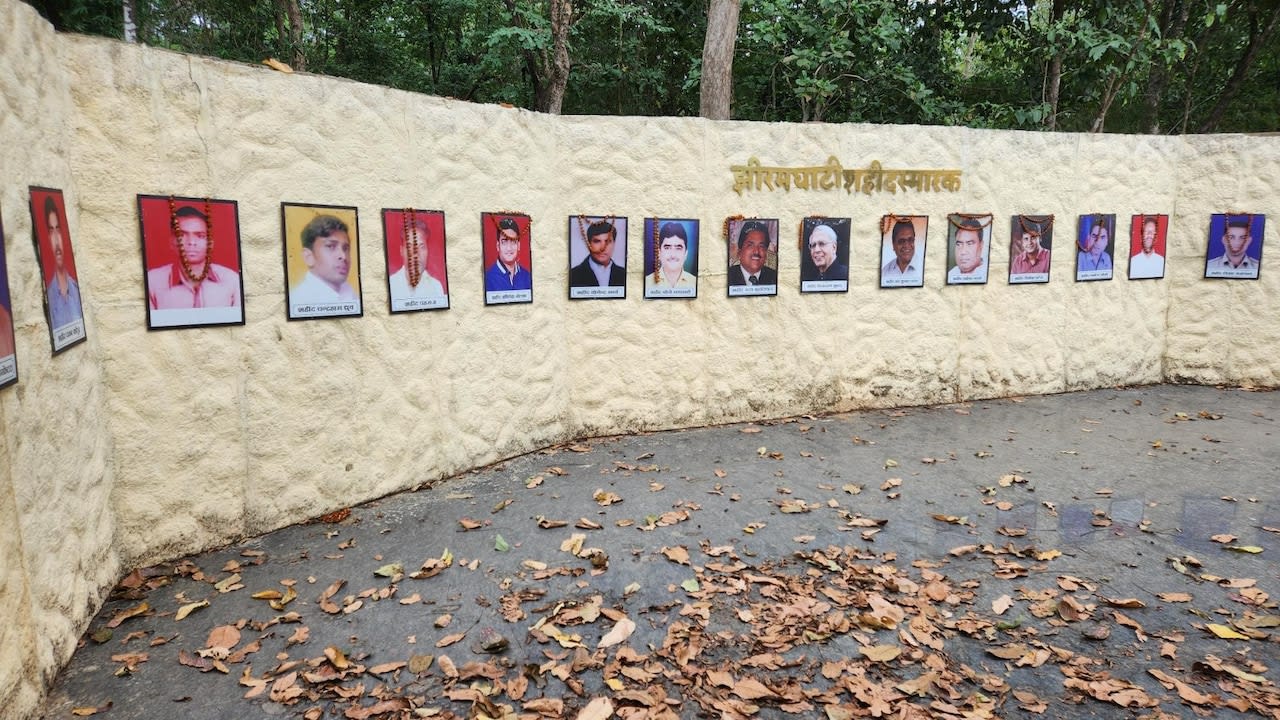
The 2013 Maoist ambush in Chhattisgarh decimated the state's Congress leadership in a coordinated attack. A 200-strong insurgent force used landmines and gunfire to cripple a political convoy.
The Jhiram Ghati Tragedy: A Turning Point in Indian Insurgency
The Anatomy of the Ambush
The event in question refers to the brutal 2013 attack in Chhattisgarh, where a convoy of Indian National Congress leaders was targeted by a massive Maoist insurgent force. According to the provided reports, the sequence of events began at approximately 4:15 PM, when a landmine was detonated. This explosion served a dual purpose: it destroyed a section of the highway to physically obstruct the movement of the vehicles and acted as the tactical signal for the commencement of the assault.
A Calculated Tactical Strike
The ambush was characterized by its high level of coordination and overwhelming force. Reports indicate that the attacking unit consisted of approximately 200 Maoist insurgents. Following the initial detonation that immobilized the convoy, the insurgents immediately opened fire with small arms. This transition from an explosive trap to direct kinetic engagement demonstrates a sophisticated understanding of ambush tactics, specifically designed to maximize casualties among high-profile targets within a confined geographical space.
Decimating the Political Leadership
This specific incident is historically significant because it effectively wiped out a significant portion of the Chhattisgarh Congress party’s leadership at the time. By targeting a political convoy, the Maoists sought to create a power vacuum and strike a symbolic blow against the state's democratic infrastructure. The scale of the attack—utilizing a 200-man team—underscores the operational capacity of the insurgent groups in that region during that period.
Broader Implications for Security
The nature of this attack highlights the inherent dangers faced by political figures operating in conflict-prone areas of India. The use of landmines on public highways to halt transport reflects a persistent challenge in counter-insurgency operations, where mobile targets are highly vulnerable to asymmetric warfare. This event forced a national re-evaluation of security protocols for political representatives and highlighted the persistent threat posed by Naxalite-Maoist groups to civil governance.
Historical Context and Legacy
Historically, the Jhiram Ghati ambush stands as one of the most violent episodes in the ongoing conflict between the Indian state and Maoist insurgents. The tactical precision displayed by the 200-strong team indicated that the insurgents were well-prepared and possessed significant intelligence regarding the movement of the convoy. The legacy of this event continues to influence security policy and political discourse in Chhattisgarh, serving as a grim reminder of the high cost of political activity in areas with active insurgent presence.
Conclusion
In summary, the attack on the Chhattisgarh Congress leadership was a meticulously planned operation that utilized explosive force and superior numbers to achieve its objectives. By immobilizing the convoy at 4:15 PM and initiating a sustained gun battle, the insurgents achieved a devastating success. This incident remains a critical case study for security analysts examining the intersection of political vulnerability and extremist insurgency in India.
Verification Required?