This US inmate wants pasta in Delhi's Tihar Jail. But what does a prisoner's meal look like?
Source Entity
RAJ SHEKHAR JHA AND ABHAY
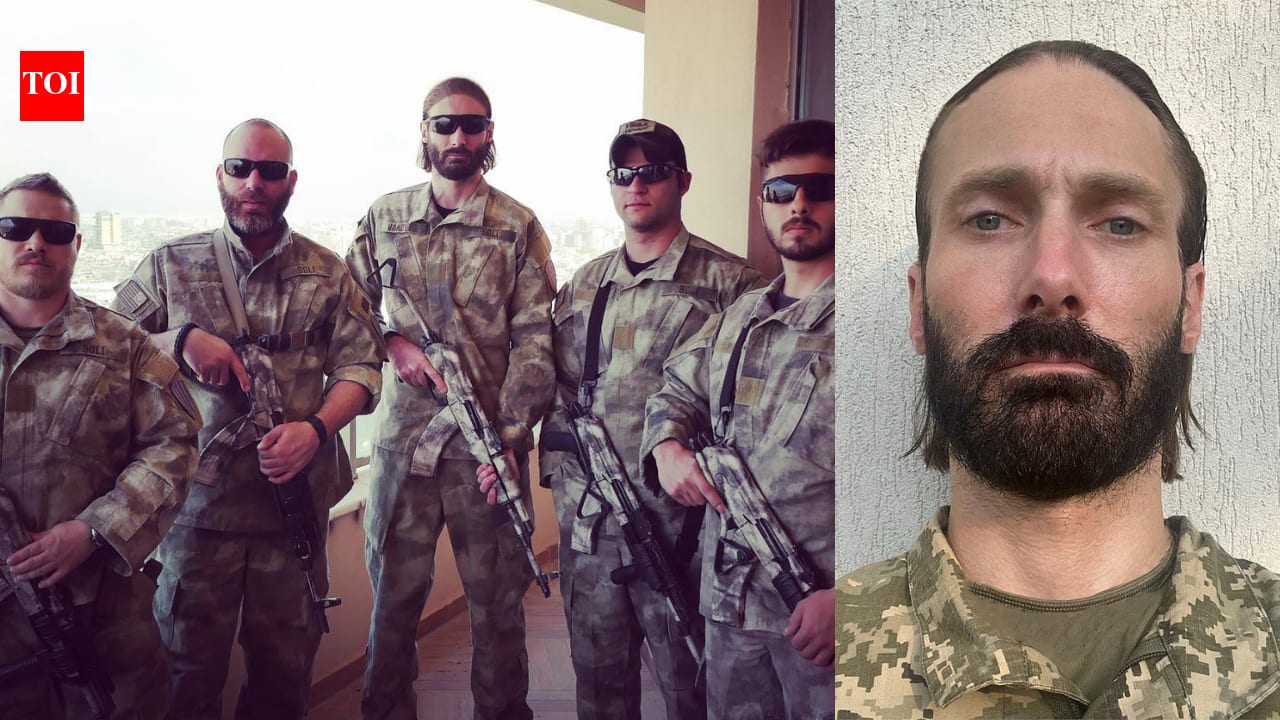
American Matthew VanDyke, facing terror charges, seeks permission to cook his own meals. He claims Tihar Jail's food is unsuitable and has been on a hunger strike. VanDyke, a former war correspondent, was arrested by the NIA for alleged drone training activities. Tihar Jail follows a fixed diet plan for its over 20,000 inmates. A Delhi court will hear VanDyke's plea for a special diet on July 21.
The Intersection of Legal Custody and Human Rights: The Case of Matthew VanDyke
The legal battle currently unfolding in a Delhi court involving American national Matthew VanDyke highlights a complex intersection of national security, prisoner rights, and administrative rigidity. VanDyke, a former war correspondent, finds himself in the precarious position of facing terrorism charges brought by the National Investigation Agency (NIA) regarding alleged drone training activities. The current flashpoint, however, is not the nature of the charges themselves, but the basic conditions of his confinement within Tihar Jail, specifically the dietary provisions provided to inmates.
The Conflict of Dietary Needs vs. Institutional Protocol
VanDyke's request to cook his own meals, specifically mentioning a desire for pasta, is more than a simple culinary preference; it has escalated into a hunger strike, signaling a desperate attempt to draw attention to what he perceives as unsuitable nutrition. Tihar Jail, one of the largest prison complexes in Asia, manages a population of over 20,000 inmates using a standardized, fixed diet plan. This rigid system is designed for mass efficiency and cost-effectiveness but often fails to accommodate the cultural, medical, or personal dietary requirements of a diverse population, especially foreign nationals who may struggle with the local palate or specific nutritional needs.
The Profile of the Accused and the Method of Protest
It is significant that VanDyke is a former war correspondent. His professional background suggests a high level of familiarity with conflict zones and the psychological toll of captivity, which may explain his decision to employ a hunger strike as a tool of leverage. By transitioning from a reporter of crises to a subject within a legal crisis, VanDyke is utilizing a classic form of non-violent protest to challenge the institutional authority of the Delhi prison system. This move puts the court in a difficult position: balancing the necessity of maintaining uniform prison discipline against the humanitarian obligation to ensure an inmate's health.
Administrative Challenges of Tihar Jail
From an administrative perspective, granting VanDyke's request to cook his own meals presents a significant security and logistical nightmare. Allowing an inmate access to cooking equipment and raw ingredients could create a dangerous precedent, potentially leading to thousands of other inmates demanding similar privileges. Furthermore, the introduction of external food or cooking apparatus into a high-security facility—especially for someone facing NIA terror charges—poses inherent security risks. The prison administration must weigh the health of one individual against the potential for systemic chaos and security breaches within the facility.
Broader Diplomatic and Legal Implications
This case carries potential diplomatic weight. When a foreign national is detained on severe charges like terrorism, their treatment within the penal system is often monitored closely by their home country's embassy. Any perception of malnutrition or mistreatment can lead to diplomatic friction between the US and India. The court's decision on July 21 will be a litmus test for how the Indian judicial system handles the specific needs of foreign detainees while upholding the strict mandates of the NIA and the prison administration.
Conclusion and Future Outlook
As the court prepares to hear the plea on July 21, it is likely that a middle-ground solution will be sought. Rather than allowing VanDyke to cook his own meals—which is highly improbable given security protocols—the court may order the prison authorities to provide a specialized, nutritionist-approved diet that meets his health requirements. This case underscores the ongoing struggle to modernize prison conditions in India, moving away from a 'one size fits all' approach toward a more human-centric model of incarceration that respects basic health and cultural needs without compromising national security.