Mayo Clinic says you can practise mindfulness without meditating: Here’s how
Source Entity
Latest News: Todays Latest News Headlines from India & World | Hindustan Times | Hindustan Times
The Mayo Clinic reports that mindfulness can be integrated into daily activities without formal meditation. By focusing on the present moment during routine tasks, individuals can reap cognitive health benefits.
Redefining Mindfulness: Beyond the Meditation Cushion
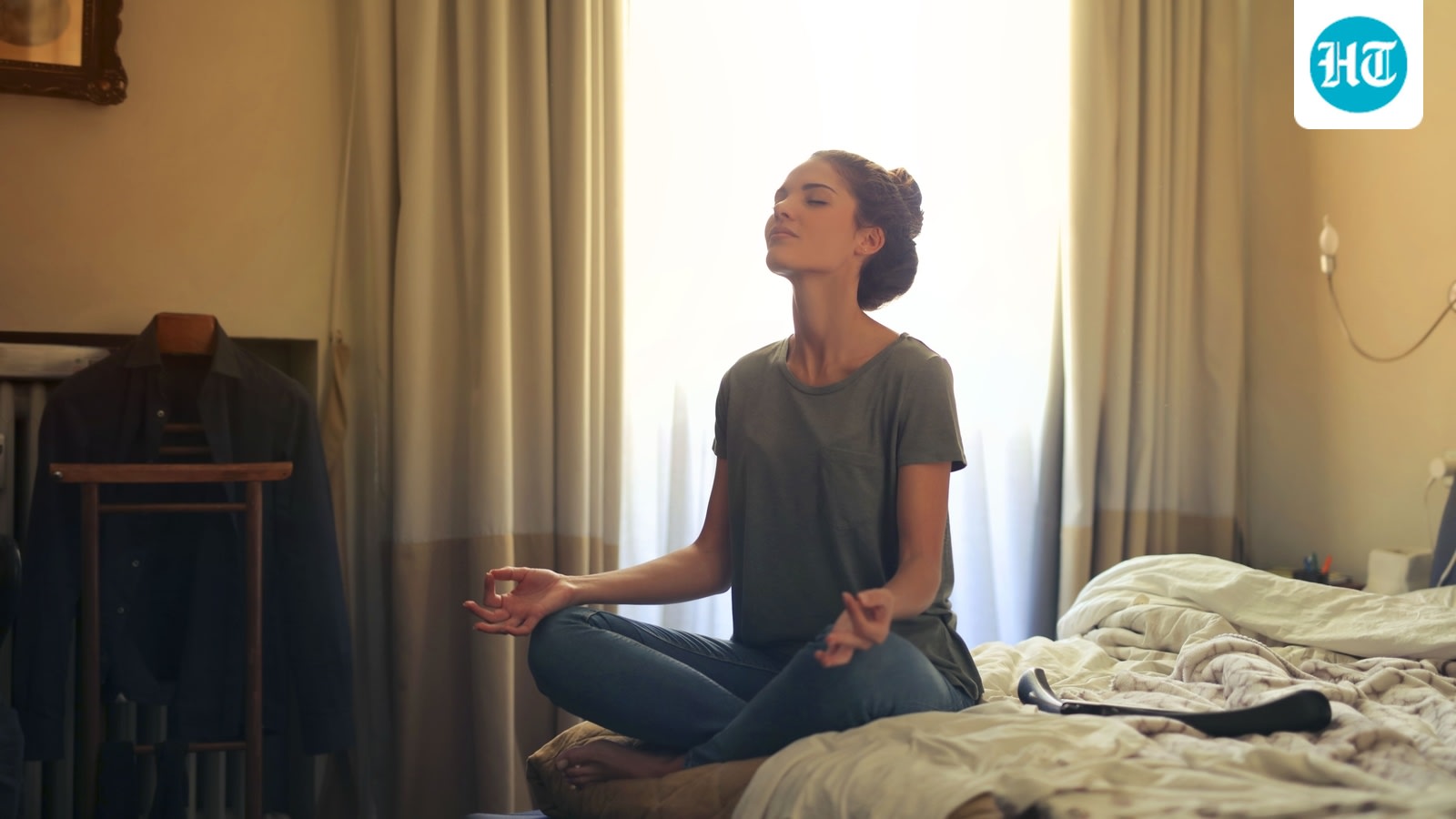
For many, the concept of mindfulness is inextricably linked to the image of an individual sitting in silence, eyes closed, perhaps on a meditation cushion. However, recent guidance from the Mayo Clinic, published on January 21, 2026, challenges this narrow perception. The institution clarifies that mindfulness is not a rigid practice reserved for dedicated sessions, but rather a flexible approach to awareness that can be seamlessly woven into the fabric of everyday life.
The Essence of Present-Moment Awareness
At its core, mindfulness is defined as the act of paying attention to the present moment without the interference of judgment. It involves observing one’s thoughts, emotions, physical sensations, and immediate surroundings exactly as they are. By removing the requirement for silence or specific postures, the Mayo Clinic suggests that mindfulness is a cognitive tool accessible to everyone, regardless of their schedule or environment.
Integrating Mindfulness into Daily Routines
One of the most significant takeaways from the Mayo Clinic's guidance is the ease of implementation. The institution highlights that activities such as eating, brushing one's teeth, or walking serve as perfect opportunities to practice mindfulness. By shifting focus to the sensory details of these routine actions—the texture of food, the sensation of the toothbrush, or the rhythm of one's gait—individuals can cultivate a state of presence throughout the day without needing to carve out hours of meditation time.
Cognitive Health and Potential Challenges
While meditation and mindfulness are widely recognized for their substantial cognitive health benefits, it is important to acknowledge that the journey toward mental clarity is not always straightforward. The Mayo Clinic notes that for some, these practices can present challenges. Understanding that mindfulness is a skill to be developed rather than a state to be forced is crucial for those who may find the practice initially difficult or overwhelming.
Broader Implications for Wellness
By democratizing mindfulness, the Mayo Clinic is shifting the narrative from a niche wellness trend to a practical life skill. This approach encourages a more sustainable form of mental hygiene that does not rely on external tools or specialized environments. As society continues to grapple with increasing levels of distraction and stress, the ability to anchor oneself in the present during mundane tasks may become an essential strategy for maintaining long-term mental health.
Conclusion: A Sustainable Path Forward
Ultimately, the Mayo Clinic’s latest insights remind us that mindfulness is not an achievement to be reached, but a way of living. By focusing on the present without judgment, individuals can transform routine moments into opportunities for grounding and self-awareness. This approach simplifies the path to improved well-being, making the cognitive benefits of mindfulness attainable for everyone in their daily lives.
Verification Required?