Can’t trace building plans of 70% of 2,453 PGs, MCD tells HC
Source Entity
Sohini Ghosh
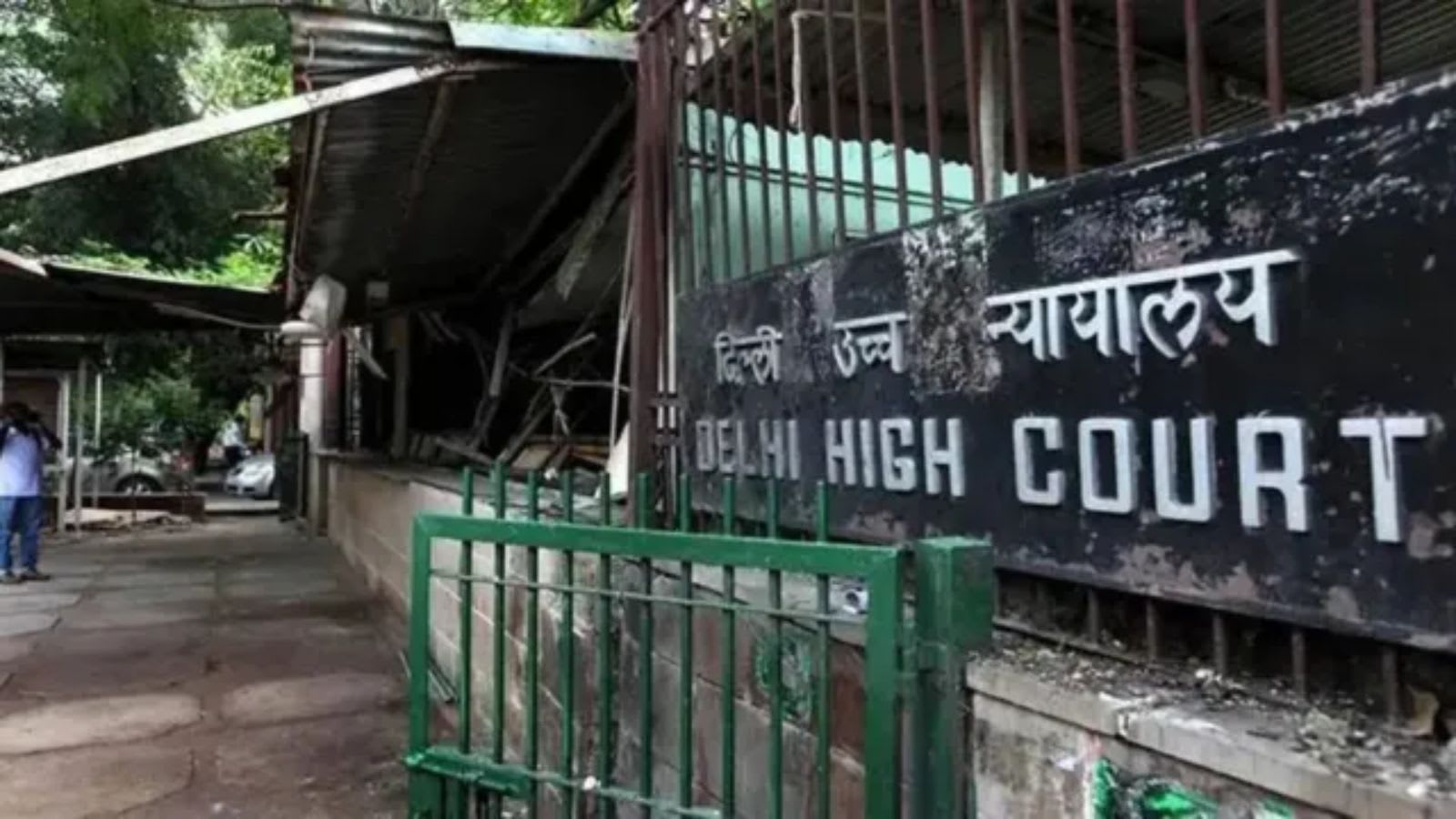
Following a deadly building collapse in Satya Niketan, the MCD has launched a massive crackdown on unauthorized PG accommodations. Over 500 properties have been demolished as officials struggle to locate building plans for 70% of the city's student housing.
The Satya Niketan Tragedy and the Regulatory Reckoning
The tragic building collapse in Satya Niketan on September 6, which claimed the lives of seven individuals—including five Delhi University students—has triggered a sweeping administrative response across the national capital. The incident, which occurred at a property operating as 'Hostel Daze,' exposed systemic failures in the oversight of student housing. In the wake of this disaster, the Municipal Corporation of Delhi (MCD) has been compelled to account for the lack of safety standards in the city's vast network of paying guest (PG) accommodations.
Aggressive Enforcement and Demolition Drives
In the 17 days following the collapse, the MCD has initiated an aggressive enforcement campaign to mitigate further risks. Reports submitted to the Delhi High Court indicate that the civic body has demolished 543 properties, sealed 178 buildings, and issued show-cause notices to 354 properties. Furthermore, 205 properties have received sealing notices, and 98 formal demolition orders have been executed. This rapid-fire response, highlighted by Solicitor General Tushar Mehta, reflects an attempt to address the "highest executive level" concerns regarding structural integrity and illegal construction.
The Crisis of Missing Documentation
A critical revelation from the ongoing judicial proceedings is the MCD's admission that it cannot locate building plans for over 70% of the 2,453 identified PG accommodations in Delhi. This staggering statistic underscores a profound administrative failure in record-keeping and urban planning oversight. With 32,247 rooms housing approximately 50,529 occupants, the inability to verify the structural safety or legal compliance of these buildings poses a significant threat to student safety across the capital.
Systemic Vulnerabilities in Student Housing
The survey conducted by the MCD, prompted by court orders, reveals the sheer scale of the unregulated PG market. The concentration of students in high-density, often unauthorized structures creates a hazardous environment where rapid expansion has clearly outpaced municipal regulation. The fact that the majority of these buildings lack accessible building plans suggests that many have been converted for commercial use without necessary structural reinforcement or safety clearances.
Institutional Response and Future Oversight
Recognizing the need for a structural overhaul, the Delhi government has constituted a high-powered committee tasked with examining the safety of student accommodation. This committee is mandated to recommend time-bound measures to ensure that such a collapse does not recur. The Delhi High Court’s active involvement, through its scrutiny of the MCD’s affidavits and the push for accountability, indicates a shift toward more rigorous judicial oversight in urban safety matters.
Conclusion: A Path Toward Urban Safety
The Satya Niketan collapse serves as a grim catalyst for the necessary formalization of the PG housing sector in Delhi. While the current demolition drive addresses immediate dangers, the long-term solution requires digitizing records, enforcing strict zoning laws, and ensuring that student hostels meet fire and structural safety codes. Moving forward, the success of these measures will depend on the high-powered committee's ability to transition from reactive demolition to proactive, sustainable urban governance.
Multiple Citing Sources