Telangana SIR: Over 60% SIR notices issued in Hyderabad periphery, below 35% in Hyderabad district
Source Entity
India Latest News: Top National Headlines Today & Breaking News | The Hindu
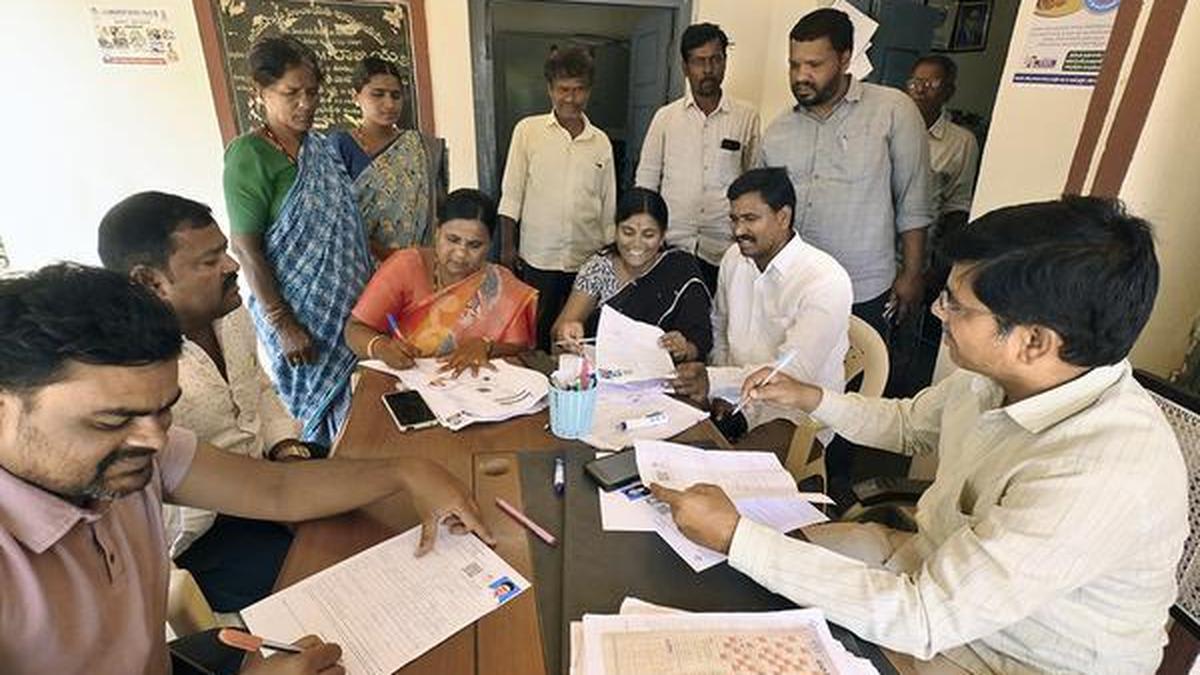
A report by the SABAR Institute and Constitutional Guardians Forum highlights that one in three Telangana electors received anomaly notices during the Special Intensive Revision. Peripheral Hyderabad constituencies saw significantly higher notice rates, with specific demographic trends regarding notice reasons noted.
Analysis of Telangana’s Special Intensive Revision (SIR) Data
Recent data released by the SABAR Institute and the Constitutional Guardians Forum has shed light on the complexities of the electoral roll maintenance in Telangana. During the Special Intensive Revision (SIR), a staggering 92,85,255 anomaly notices were issued across 119 constituencies. This comprehensive analysis indicates that approximately one in three electors in the state received a notice, highlighting significant administrative challenges in maintaining electoral integrity and voter database accuracy.
Geographical Disparities in Notice Distribution
The distribution of these notices reveals a stark geographical divide. While the Telangana median for anomaly notices stood at 28.7%, the peripheral areas of Hyderabad experienced significantly higher rates. Constituencies such as Qutbullapur (66.6%), Kukatpally (65.4%), Uppal (57%), and Medchal/Serilingampally reported rates far exceeding the state average. In contrast, the Hyderabad district proper saw a notice rate below 35%. This suggests that rapid urbanization and the transient nature of populations in peripheral zones present unique difficulties for election officials in keeping voter rolls updated.
Understanding the 'Unmapped' Phenomenon
The primary driver for these notices appears to be administrative procedural gaps. The report identifies that 34.9% of all notices were issued under the category of “Unmapped with Last SIR.” This implies that a large portion of the electorate was flagged not due to individual eligibility issues, but because of systemic failures to reconcile current data with previous revision cycles. This indicates a need for better digital integration and data management protocols in the electoral registration process.
Demographic Observations and Socio-Political Implications
The report also touches upon specific demographic trends within the notice distribution. Notably, it mentions that among notices issued for the reason of having six or more children, 50.5% were associated with Muslim names. Such data points are critical for researchers and policymakers to evaluate whether electoral revision processes are being applied uniformly or if they are inadvertently impacting specific communities more heavily. Ensuring the neutrality of these administrative processes is essential to maintaining public trust in the democratic system.
Future Trends and Administrative Reform
The scale of these notices, covering over 36,000 polling stations, underscores the magnitude of the task faced by the Election Commission of India and state authorities. Moving forward, the focus must shift toward streamlining the 'mapping' process to reduce the number of notices triggered by administrative errors. Future revisions should prioritize transparency and clarity for the voter, ensuring that legitimate electors are not disenfranchised or confused by automated anomaly alerts. Addressing these systemic bottlenecks will be vital for the integrity of future electoral exercises in Telangana.
Verification Required?