Medicare beneficiaries could skip the nursing home for cheaper care at home under new bill
Source Entity
Jessica Hall
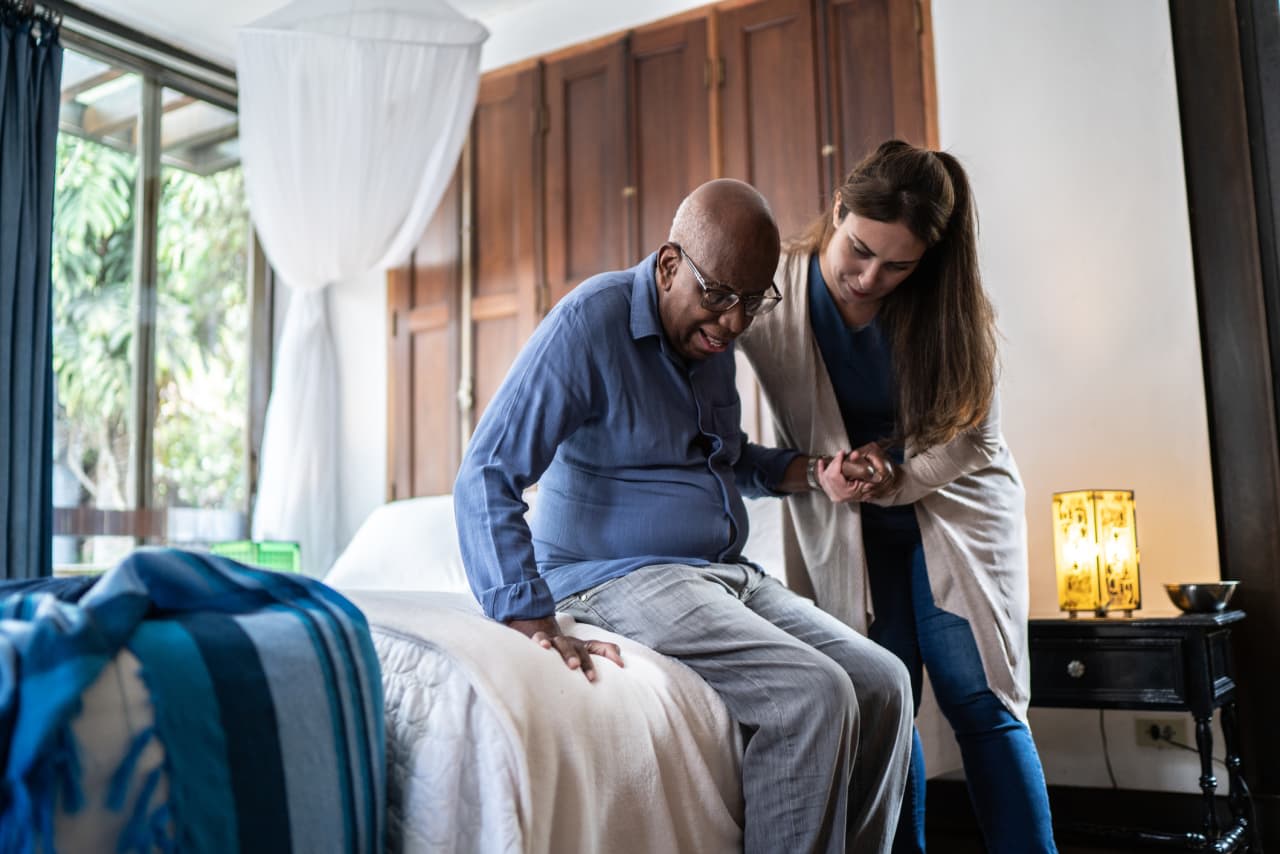
A new legislative proposal aims to allow Medicare beneficiaries to receive care at home instead of in nursing facilities. This shift is designed to reduce overall healthcare costs while simultaneously alleviating pressure on hospital and nursing home capacity.
Rethinking Long-Term Care: The Shift Toward Home-Based Medicare
The landscape of American healthcare is potentially on the precipice of a significant structural shift. A new legislative proposal is currently under consideration that would empower Medicare beneficiaries to bypass traditional nursing home placement in favor of receiving necessary care within their own homes. This initiative reflects a growing recognition that the current institutionalized model of post-acute and long-term care may no longer be the most efficient or humane solution for an aging population.
Alleviating Institutional Pressure
One of the primary drivers behind this bill is the critical need to optimize facility utilization. By transitioning eligible patients to home-based care, the healthcare system stands to significantly reduce the strain on hospital and nursing home beds. Historically, these facilities have operated at or near capacity, often leading to bottlenecks that delay care for acute patients. By shifting the venue of care, hospitals can prioritize their resources for those requiring intensive, round-the-clock medical oversight, thereby improving overall system flow.
Economic Implications and Cost Containment
Beyond the logistical benefits, the financial implications of this bill are substantial. Institutional care is notoriously expensive, often placing a heavy burden on the Medicare trust fund and personal savings. By facilitating home-based care, the policy aims to lower costs by reducing the overhead associated with facility maintenance, staffing, and administrative complexity. This economic model suggests that personalized, home-based interventions may prove more cost-effective than the current reliance on brick-and-mortar nursing institutions.
Redefining Patient-Centered Care
This legislative move aligns with broader healthcare trends that emphasize patient autonomy and quality of life. For many seniors, the prospect of entering a nursing home is a significant source of anxiety and loss of independence. Enabling care at home allows beneficiaries to remain in familiar environments, which has been shown in various health studies to improve mental well-being and potentially accelerate recovery times. This shift represents a move toward a more compassionate, patient-centered philosophy of aging.
Future Trends and Sustainability
Looking ahead, if this legislation is enacted, it could set a precedent for how Medicare evolves in the coming decades. As the baby boomer generation continues to age, the demand for long-term care will only increase. A successful transition to home-based models could provide a scalable framework for managing this increased demand without requiring an exponential increase in nursing home construction. The sustainability of the Medicare program may well depend on such innovative, decentralized approaches to service delivery.
Conclusion
In summary, the proposed bill to allow Medicare beneficiaries to receive care at home represents a multifaceted solution to the challenges of modern eldercare. By simultaneously addressing bed shortages, reducing high costs, and enhancing the patient experience, the legislation serves as a necessary evolution for the American healthcare infrastructure. If successful, this policy could fundamentally alter the trajectory of long-term care, favoring flexibility and efficiency over traditional institutional confinement.
Verification Required?