Covid inquiry report: key findings on testing, tracing and 'the pingdemic'
Source Entity
BBC News
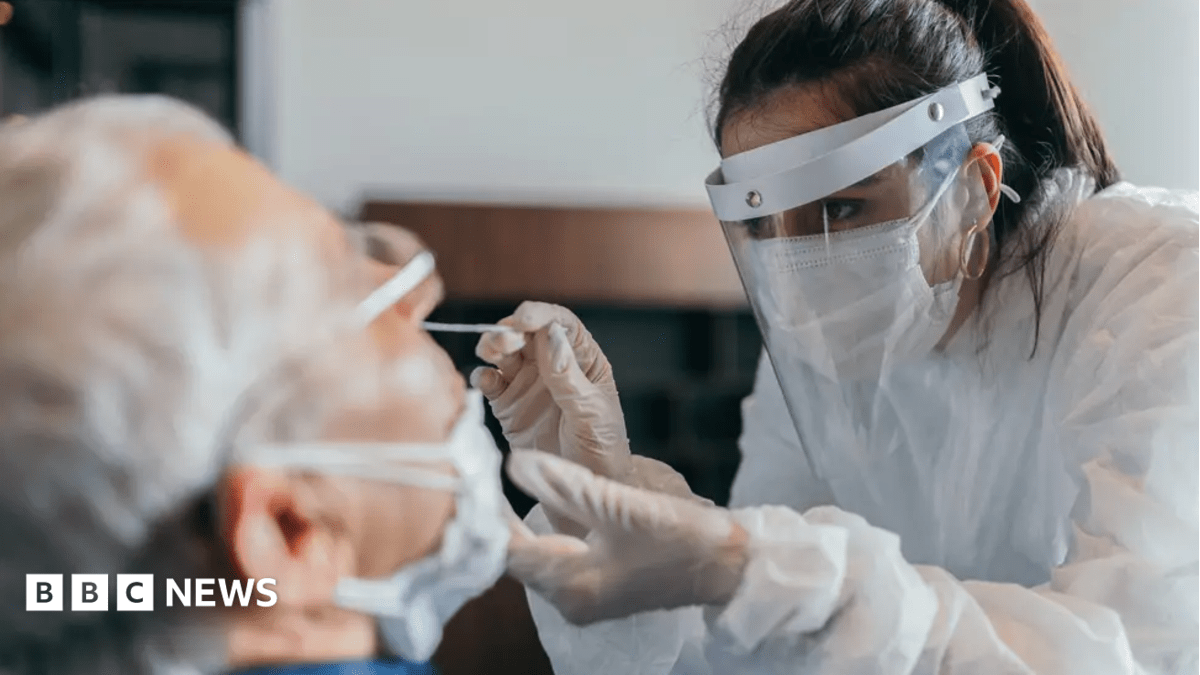
A public inquiry into the UK's Covid-19 response concludes that early failures in testing and tracing caused preventable loss of life. While the subsequent NHS Test and Trace system eventually became world-leading, the initial lack of infrastructure left the nation effectively blind to the virus's spread.
The Failure of Early Containment: An Inquiry Analysis
The recent findings from the UK’s public inquiry into the Covid-19 pandemic paint a sobering picture of the government’s initial response strategy. According to the report, early efforts to contain the virus were fundamentally doomed to fail. The inquiry highlights a critical juncture in mid-March 2020, when community testing and contact tracing efforts were abandoned, allowing the virus to spread virtually unchecked across the population during the most vulnerable period of the pandemic’s onset.
The Cost of Being 'Effectively Blind'
The inquiry asserts that by abandoning these critical pillars of public health surveillance, the four UK nations were rendered "effectively blind" to the velocity of the virus’s transmission. This lack of situational awareness was not merely a procedural oversight but a significant failure that, as the report suggests, directly contributed to the loss of lives. The government’s defense—that testing capacity was being overwhelmed—underscores a systemic lack of preparedness for a pandemic of this scale.
The Evolution of NHS Test and Trace
Following the chaotic early months, the government launched the NHS Test and Trace system in May 2020. Over time, this initiative evolved into one of the largest testing operations globally on a per-capita basis. The inquiry acknowledges that once this infrastructure was fully established, it proved to be effective in managing the spread. However, this success arrived only after a costly period of institutional learning and the development of massive, previously non-existent bureaucratic frameworks.
Financial Implications and Fiscal Scale
The scale of the financial commitment to this project was unprecedented, with more than £30 billion spent across the UK on testing, tracing, and isolation measures. This massive expenditure reflects the high cost of playing catch-up. The inquiry’s focus on this figure serves to illustrate the economic burden that arises when a nation lacks a robust, ready-to-deploy test, trace, and isolate system before a crisis hits.
Lessons for Future Pandemic Preparedness
The core criticism leveled by the inquiry is the absence of a pre-existing, resilient infrastructure. The failure to have a robust, scalable system ready at the start of 2020 meant that the UK was forced to build the plane while flying it. For future public health policy, this report serves as a definitive argument for maintaining high-readiness diagnostic and surveillance capabilities even during periods of relative normalcy.
Conclusion
Ultimately, the report concludes that while the later stages of the UK's testing and tracing efforts were successful, the initial vacuum in policy and infrastructure was a defining failure of the pandemic response. By failing to maintain community-level surveillance in the early weeks of the outbreak, the government lost the window of opportunity to contain the virus effectively. This inquiry provides a stark lesson on the necessity of proactive, rather than reactive, public health infrastructure.