Iltija says she and her mother Mehbooba Mufti put under ‘house arrest’, on the eve of Martyrs’ Day
Source Entity
India Latest News: Top National Headlines Today & Breaking News | The Hindu
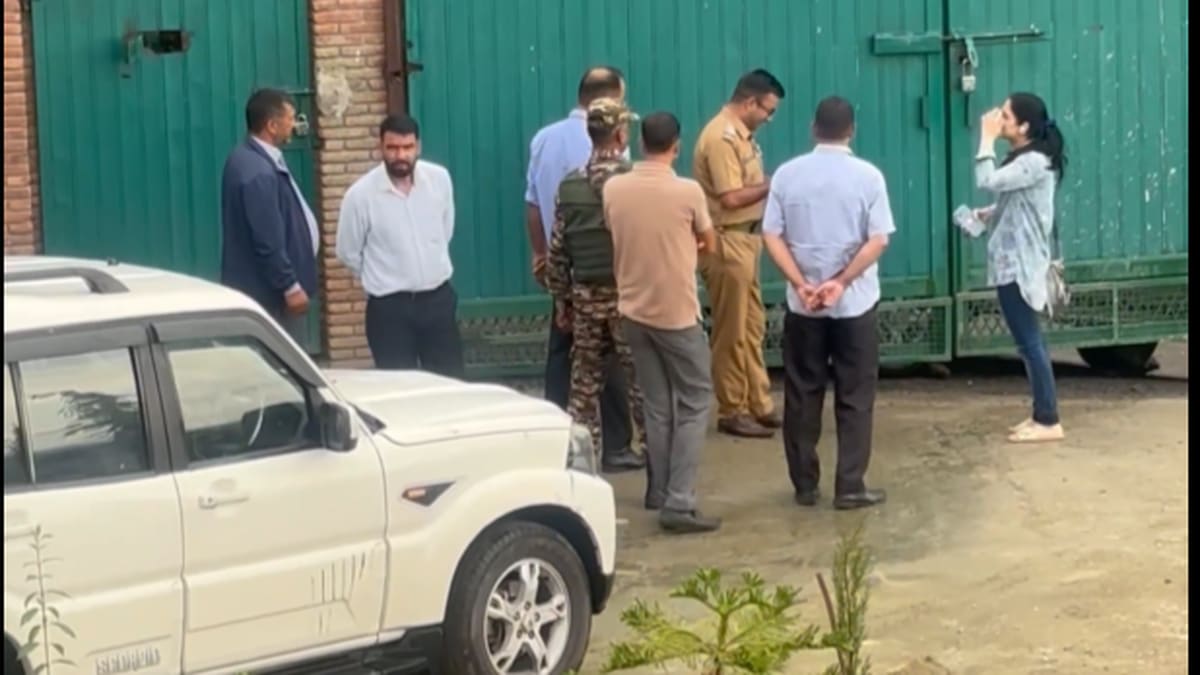
July 13 is commemorated as Martyrs' Day in Jammu and Kashmir as a tribute to the 22 persons who were killed by the Dogra army outside Srinagar's central jail in 1931. The L-G administration had dropped the day from the list of gazetted holidays in 2020.
Political Tensions Rise in Jammu and Kashmir Ahead of Martyrs' Day
On the eve of July 13, Iltija Mufti has announced that both she and her mother, former Chief Minister Mehbooba Mufti, have been placed under house arrest. This restrictive measure by the administration coincides with the anniversary of Martyrs' Day, a date of significant historical and emotional weight in Jammu and Kashmir. The reported confinement of key political figures highlights the ongoing friction between the regional political leadership and the central administration's security protocols during sensitive anniversaries.
The Historical Significance of July 13
To understand the gravity of this event, one must look back to 1931. Martyrs' Day commemorates the 22 individuals who were killed by the Dogra army outside Srinagar's central jail. This event served as a pivotal catalyst for the political awakening of the Kashmiri people against the monarchical rule of the Dogras. For decades, this day has been observed as a symbol of resistance and a tribute to those who sought civil liberties and an end to oppressive governance. By commemorating these deaths, political parties and citizens reinforce a collective memory of struggle and the pursuit of political rights.
The Shift in Administrative Policy
In a significant move toward altering the socio-political landscape of the region, the Lieutenant Governor (L-G) administration removed July 13 from the list of gazetted holidays in 2020. This administrative decision was not merely a clerical change but a symbolic gesture indicating a shift in how the state views historical grievances and political commemorations. The removal of the holiday suggests an effort by the administration to diminish the public visibility of the event and to curb the potential for large-scale gatherings that could be leveraged for political mobilization.
Analysis of Preventive Detention and 'House Arrest'
The use of house arrest for leaders like Mehbooba Mufti is a recurring pattern in the region's security strategy. By restricting the movement of influential figures on the eve of sensitive dates, the administration aims to prevent the organization of rallies, protests, or public addresses that could incite unrest. From a security perspective, this is viewed as a preemptive measure to maintain law and order; however, from a political perspective, it is often criticized as a suppression of democratic expression and a limitation on the right to peacefully commemorate historical events.
Broader Implications and Future Trends
This incident reflects the broader struggle over the narrative of Kashmiri identity and history. As the administration continues to implement policies aimed at integrating the region more tightly with the central government's vision, the clash between state-imposed stability and the preservation of historical memory is likely to persist. Future trends suggest that while official holidays may be eliminated, the symbolic importance of such dates will continue to drive political discourse, leading to repeated cycles of restriction and protest during anniversaries.
Conclusion
The reported house arrest of the Muftis on the eve of Martyrs' Day is a stark reminder of the volatility inherent in Jammu and Kashmir's political environment. The intersection of a traumatic historical event from 1931, the removal of official recognition in 2020, and the current restriction of political movement underscores a deep-seated tension. As the region navigates its current administrative framework, the tension between security imperatives and the desire for political expression remains a defining characteristic of the local governance model.
Verification Required?