Met was negligent and reckless, sisters of 'Putney pusher' suspect tell BBC
Source Entity
BBC News
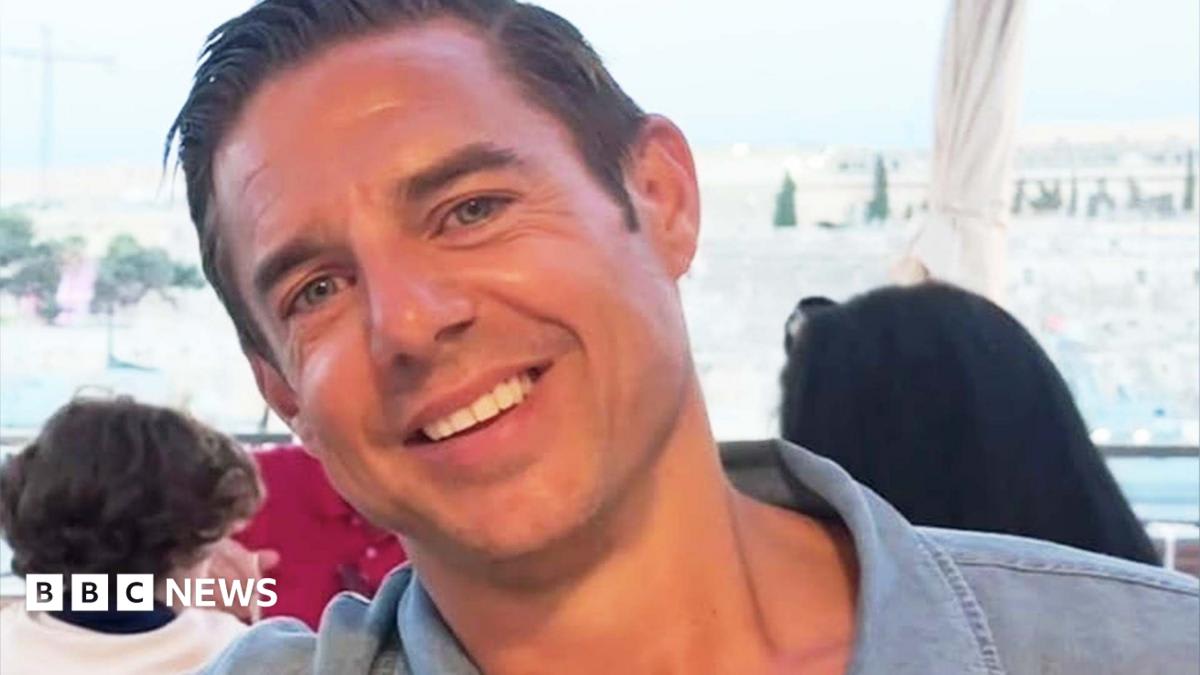
The sisters of Nicholas Brandram, a man investigated as the 'Putney pusher,' have accused the Metropolitan Police of negligence following his death. They claim the investigation destroyed his mental health despite his innocence and a lack of evidence.
The Tragic Aftermath of the 'Putney Pusher' Investigation
Allegations of Institutional Failure
The family of Nicholas Brandram, who was identified as a suspect in the infamous 2017 'Putney pusher' incident, has leveled serious accusations against the Metropolitan Police. His sisters, Alexia Hicks and Sophie Voelcker, have publicly described the force's conduct as 'negligent' and 'reckless.' This condemnation follows Brandram’s tragic death, which his family attributes directly to the extreme psychological strain inflicted by a protracted and public investigation.
The Human Cost of Public Scrutiny
Brandram’s sisters highlighted that the digital environment played a critical role in his decline. Because the allegations remained 'guilty online' long after the incident, Brandram was subjected to persistent digital harassment and public suspicion. The family asserts that the pressure of being a public suspect in a high-profile case led to a severe deterioration in his mental health, ultimately resulting in him taking his own life.
Procedural Criticisms and Forensic Delay
A primary point of contention raised by the family is the perceived failure of the Metropolitan Police to utilize modern forensic tools to exonerate him. The sisters specifically questioned the lack of urgency regarding DNA testing, which they argue could have definitively proven his innocence. They claim that while the police were aggressive in their initial arrest and pursuit of the suspect, there was a profound lack of urgency in clearing his name once the evidence failed to align with the reality of the situation.
Discrepancies in Evidence
Beyond the procedural failures, the family maintains that Brandram did not match the physical description of the individual caught on camera pushing a woman into the path of a bus on Putney Bridge. By ignoring these discrepancies and failing to provide a timely resolution, the family believes the police effectively trapped a man in a state of perpetual suspicion, stripping him of his reputation and peace of mind.
Broader Implications for Policing
This case raises difficult questions about the balance between investigative thoroughness and the duty of care police owe to suspects. When an investigation spans years, the 'suspect' label can become a life sentence, especially in the era of social media. The criticism directed at the Metropolitan Police serves as a stark reminder of the potential for investigative processes to cause irreparable harm, particularly when there is a perceived lack of transparency or a failure to act on exculpatory evidence.
Conclusion: A Call for Accountability
The death of Nicholas Brandram serves as a harrowing case study on the impact of police investigations on individual mental health. As his family continues to speak out, the focus remains on whether law enforcement agencies have sufficient safeguards to protect the wellbeing of those under investigation, and whether the pursuit of justice is ever worth the cost of an innocent life.