Meta puts its AI assistant on a keychain
Source Entity
Hannah Murphy, Financial Times
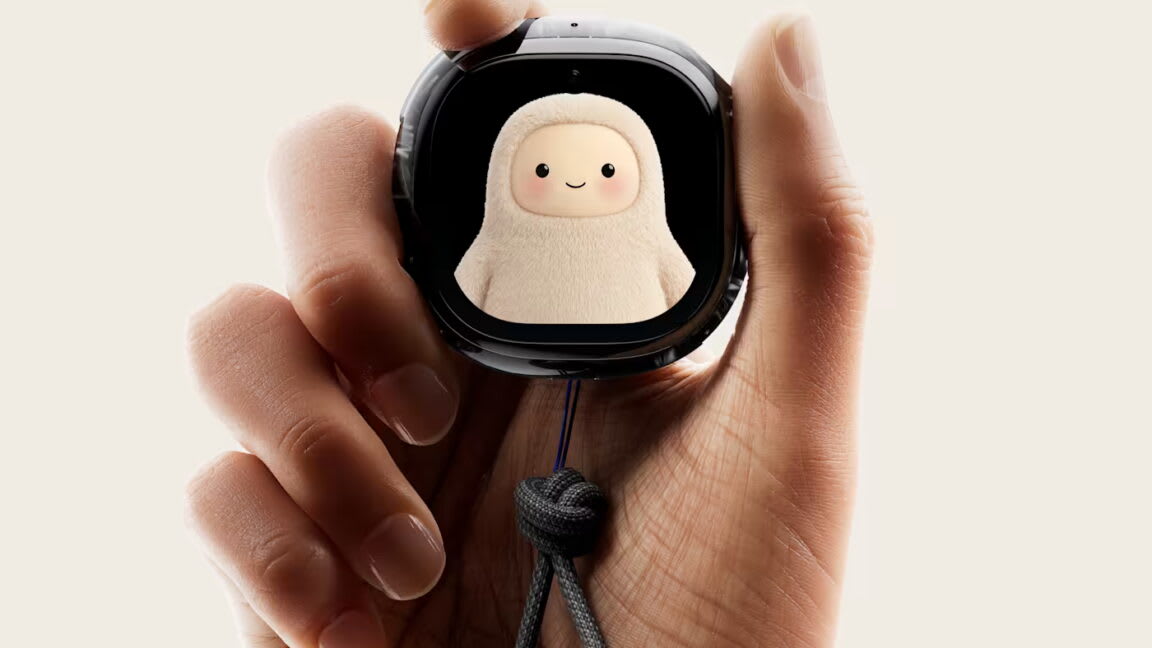
Meta has introduced the 'Muse Charm,' a wearable device for its Muse AI agent, alongside significant updates to the agent's capabilities. These enhancements include email integration, video calling, and autonomous computer usage to streamline personal productivity.
The Evolution of Meta's Muse Ecosystem
Meta has officially pivoted toward a more tangible AI experience with the announcement of the 'Muse Charm,' a wearable device designed to house its popular Muse AI agent. Revealed by CEO Mark Zuckerberg during the annual Connect event, this small, Tamagotchi-like hardware represents Meta's foray into the crowded AI wearable market. While the category has faced skepticism due to previous iterations like the 'Friend' device, Meta aims to differentiate its offering by tethering it to the already established and functional Muse agent.
Expanding the Functional Horizon
The Muse agent is evolving rapidly from a simple chat interface into a multifaceted digital assistant. Meta has announced that Muse agents will now possess their own dedicated email addresses, allowing them to manage correspondence and administrative tasks autonomously. This shift is designed to address the 'auto-populating to-do list' of modern life, where mundane chores—such as resolving service cancellations or managing household logistics—often consume significant time. By offloading these tasks to an agent with email capabilities, Meta hopes to position Muse as a genuine productivity multiplier.
Multimodal Communication and Control
Beyond email, Meta is significantly upgrading how users interact with Muse. The introduction of live video chat capabilities marks a departure from traditional text-based AI interactions, potentially fostering a more natural, human-like rapport. Furthermore, the Muse Mac application is receiving an update that grants the agent the ability to control the computer directly. This capability suggests a move toward 'agentic' AI, where the system does not just suggest solutions but actively navigates software interfaces to complete objectives on behalf of the user.
The Hardware Strategy
The 'Muse Charm' serves as the physical manifestation of this digital brain. Currently in the final stages of component layout, Zuckerberg has committed to a holiday release schedule for December. The choice of a wearable form factor suggests that Meta wants its AI to be a constant, accessible companion rather than a tool confined to a screen. By providing a dedicated piece of hardware, Meta is attempting to lower the friction of engagement, making the AI agent a persistent presence in the user's daily life.
Implications and Future Trends
This aggressive expansion of the Muse ecosystem reflects a broader industry trend toward AI agents that act rather than just advise. By integrating email, video, and computer control, Meta is attempting to solve the 'tedium' of daily life through automation. However, the success of these features will depend on the agent's reliability in handling sensitive administrative tasks. If Meta can successfully bridge the gap between a cute digital avatar and a highly capable, secure assistant, it may redefine the consumer relationship with personal technology.
Conclusion
Meta’s strategy for Muse is clear: move the AI from a passive chatbot to an active, multimodal agent that lives in both the software and the physical world. With the upcoming release of the Muse Charm and the rollout of advanced functional updates, Meta is betting that users are ready for an AI that can handle the heavy lifting of their digital and personal lives. Whether this hardware-plus-software approach will overcome the current cynicism surrounding AI wearables remains to be seen, but the intent to integrate Muse into every facet of the user's workflow is unprecedented.
Multiple Citing Sources