What could Meta’s US settlement mean around the world – and what now for other claims against firm?
Source Entity
Aisha Down
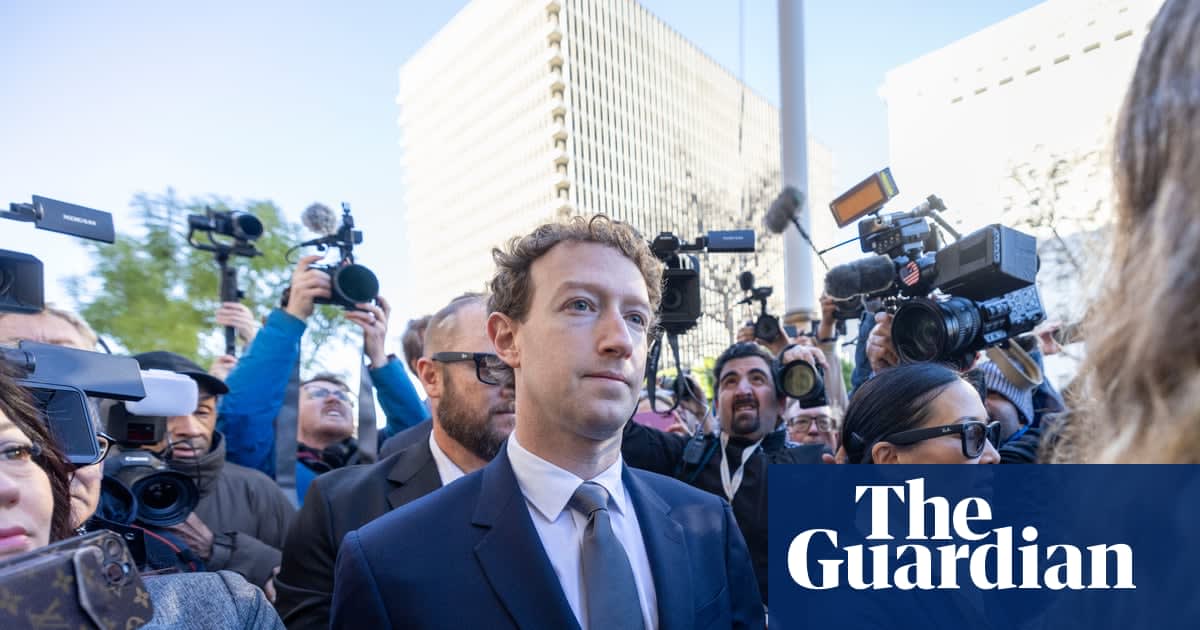
Meta has agreed to an $18 billion settlement with US states to address teen mental health concerns through platform restrictions. Simultaneously, the company faces ongoing international scrutiny, including a lawsuit regarding its role in inciting violence in Ethiopia.
The Dual Fronts of Meta’s Legal Accountability
Meta Platforms is currently navigating a complex legal landscape that spans from domestic US regulatory settlements to intense international human rights litigation. The recent $18 billion settlement with 52 US attorneys general marks a watershed moment in how social media giants are held accountable for the psychological impact of their design choices on minors. By agreeing to implement 11 new protections—including time limits, night modes, and enhanced age assurance—Meta is acknowledging the pressure to mitigate the 'youth mental-health crisis' attributed to its platforms.
The US Settlement: A Regulatory Shift
This landmark agreement, spearheaded by attorneys general from states like California and Colorado, represents the most significant coordinated legal action against a social media firm to date. By committing to these changes over the next decade, Meta faces a new reality where its algorithmic engagement strategies are no longer unchecked. The settlement not only forces a shift in how teenagers interact with Facebook and Instagram but also sets a precedent for competitors like TikTok and YouTube, who now face increased scrutiny regarding their own platform architecture and its impact on younger demographics.
International Crises and the Accountability Gap
While the US settlement focuses on mental health, Meta simultaneously faces severe allegations regarding its role in real-world physical harm abroad. The case of Abrham Meareg, whose father was murdered in Ethiopia in 2021, highlights the dangerous intersection of algorithmic promotion and ethnic conflict. Meareg alleges that Facebook’s systems actively amplified calls for his father’s murder, including the dissemination of his home address. This lawsuit, supported by the nonprofit Foxglove, underscores a critical disparity: while Meta has reached a massive financial settlement in the US, it has, according to the plaintiffs, 'fought tooth and nail' to avoid responsibility in international jurisdictions.
The Disconnect in Corporate Responsibility
There is a profound tension between Meta's willingness to settle US-based litigation and its resistance to accountability in conflict-ridden regions. The Meareg case has languished for nearly four years, illustrating the difficulty of holding global tech entities responsible for content moderation failures that occur outside of Western legal frameworks. While the US settlement includes significant financial commitments, the Ethiopian case remains a stark reminder that algorithmic harms are often localized, and the company's response varies drastically depending on the legal jurisdiction.
Broader Implications and Future Trends
Looking ahead, these parallel legal battles suggest that the era of self-regulation for social media is ending. The US settlement serves as a blueprint for how states can leverage collective bargaining to force platform design changes. However, the international community is watching to see if this same level of rigor will be applied to cases involving human rights and physical violence. The future of Meta’s operations will likely be defined by a shift toward 'safety by design,' though the company faces a persistent struggle to balance its engagement-driven business model with the ethical demands of a global user base.
Conclusion
In summary, Meta is balancing a significant domestic concession regarding teen safety against a challenging international reputation regarding content moderation. While the $18 billion settlement provides a clear path forward for US user protections, the unresolved nature of cases like that in Ethiopia suggests that the company's legal and moral challenges are far from over. The coming years will likely see continued litigation that tests whether tech giants can be held to consistent global standards of safety and accountability.