MHT CET B.HMCT, M.HMCT 2026: Registration for CAP round open, last date July 19
Source Entity
The Indian Express
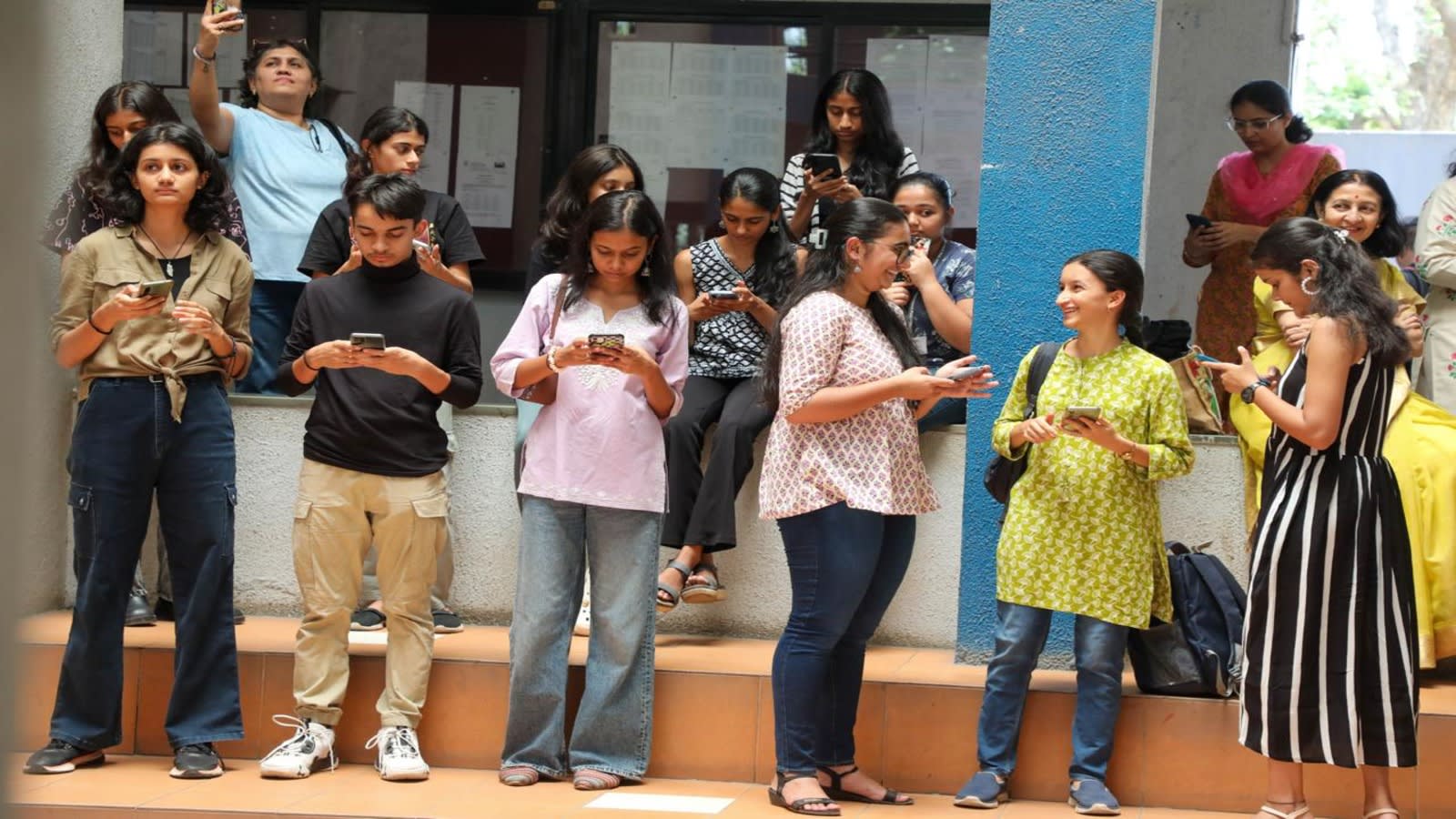
The Maharashtra State Common Entrance Test (CET) Cell has begun the online registration and application process for admission to first-year B.HMCT (four-year) and first-year M.HMCT Integrated (five-ye...
MHT CET 2026: Opening the Doors to Hospitality Excellence in Maharashtra
The Maharashtra State Common Entrance Test (CET) Cell has officially initiated the registration and application process for the Centralized Admission Process (CAP) for the 2026 academic session. This window is specifically open for students seeking admission into the first year of the four-year Bachelor of Hotel Management and Catering Technology (B.HMCT) and the five-year integrated Master of Hotel Management and Catering Technology (M.HMCT) programs. With the deadline strictly set for July 19, the state is preparing to onboard the next generation of hospitality professionals into its recognized institutions.
The Strategic Importance of the CAP System
The implementation of the Centralized Admission Process (CAP) is a critical mechanism designed to ensure transparency, meritocracy, and equity in the allocation of seats across various government and private institutes in Maharashtra. By streamlining the application process through a single window, the CET Cell minimizes the risk of administrative discrepancies and prevents the proliferation of unregulated admission practices. For students, this means a standardized evaluation based on their entrance scores, allowing those with the highest merit to secure spots in the state's premier hospitality colleges, thereby maintaining a high standard of academic quality within the sector.
Contextualizing Hospitality Education in Maharashtra
Maharashtra stands as a primary hub for tourism and hospitality in India, driven by the economic powerhouse of Mumbai, the cultural capital of Pune, and the vast tourism potential of the Konkan coast and hill stations. The B.HMCT and M.HMCT degrees are not merely academic certifications but are essential pipelines for the state's service economy. As the hospitality industry evolves to include luxury boutique hotels, sustainable tourism, and high-end cruise management, the need for professionally trained managers who understand both the operational and strategic aspects of catering and hotel management has never been higher.
Analyzing the Shift Toward Integrated Degrees
The availability of the five-year integrated M.HMCT program highlights a growing trend in Indian professional education: the compression of undergraduate and postgraduate studies to accelerate entry into leadership roles. By integrating the Master's level curriculum into a continuous five-year track, the CET Cell is catering to ambitious students who wish to bypass the traditional gap between degrees. This approach is likely a response to the industry's demand for 'fast-tracked' managers who possess a deeper theoretical understanding of hospitality combined with the practical experience gained during the integrated internships.
Implications for Prospective Candidates and Future Trends
With the July 19 deadline approaching, the pressure on candidates to ensure their documentation is accurate and their registration is complete is significant. Missing this window typically results in the loss of a full academic year, as the CAP rounds are the primary gateway to subsidized and recognized seats. Looking forward, we can expect a surge in interest for these courses as India's tourism sector continues its post-pandemic recovery and expansion. The integration of technology—such as AI-driven guest services and sustainable 'green' hotel management—will likely be integrated into these curricula in the coming years to keep graduates competitive globally.
Conclusion: A Critical Window for Career Launch
In summary, the opening of the MHT CET CAP rounds for B.HMCT and M.HMCT 2026 represents a pivotal moment for aspiring hospitality leaders in Maharashtra. The structured timeline provided by the CET Cell emphasizes the need for prompt action from students. By bridging the gap between academic qualification and industry requirements, these programs continue to play a vital role in sustaining Maharashtra's reputation as a leader in the Indian hospitality and tourism landscape.