Michael Mann's 'Heat' Copyright Fight Turns on a Deal with Himself
Source Entity
Hacker News
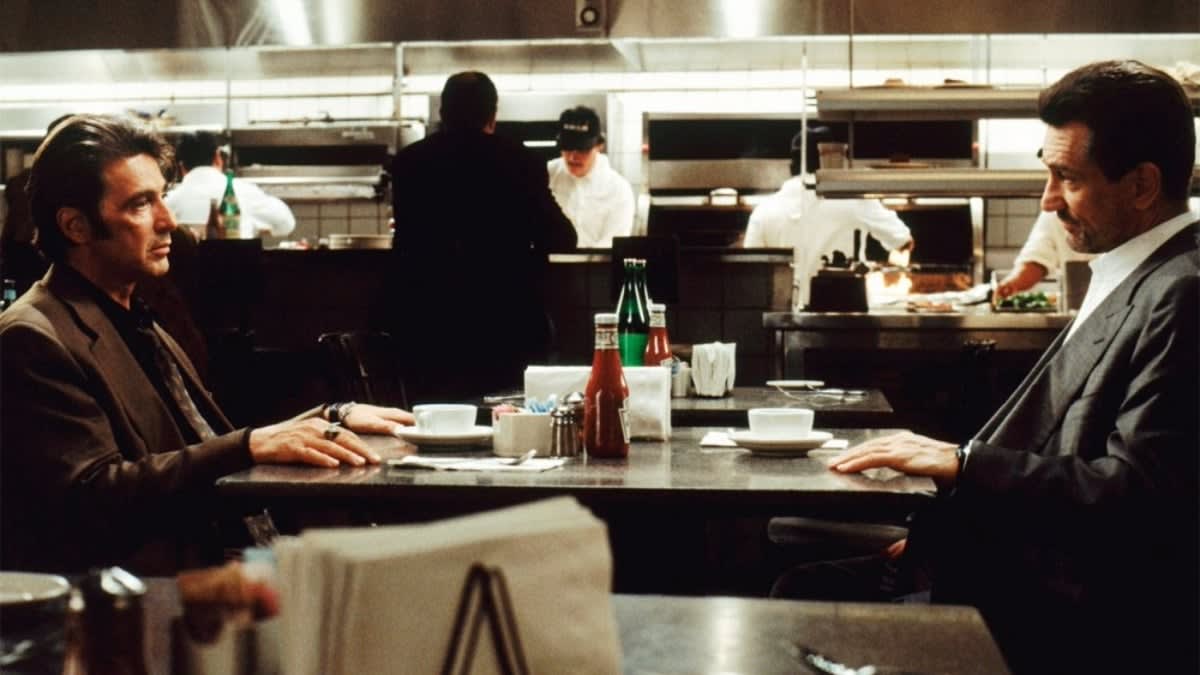
Director Michael Mann is embroiled in a legal battle with New Regency over the copyright ownership of his early 'Heat' screenplay drafts. The dispute centers on whether Mann wrote the drafts as an independent creator or as an employee of his own production company.
The Legal Battle for 'Heat': A Conflict of Authorship
The cinematic legacy of Michael Mann’s 1995 crime epic Heat is currently facing a complex legal challenge. A lawsuit filed in Los Angeles federal court has revealed a dispute between the director and New Regency regarding the ownership of the film's early screenplay drafts. At the heart of this conflict is a fundamental disagreement over Mann’s employment status at the time of the script's inception, specifically regarding a 1988 agreement involving entities he controlled.
The 'Loan-Out' Dilemma
New Regency argues that Mann cannot reclaim the rights to the Heat screenplay because he authored the material as an employee of his own 'loan-out' company. In the entertainment industry, loan-out corporations are standard vehicles used by talent to manage tax liabilities and professional liability. The studio contends that because Mann was operating through these controlled entities, the intellectual property was assigned to the company rather than retained by the individual, effectively nullifying any personal copyright termination rights.
Mann’s Defense and the 1988 Agreement
Conversely, Michael Mann asserts that he drafted the initial versions of the script entirely on his own, independent of any corporate employment obligations. The conflict hinges on a 1988 meeting that the studio describes as a deal where 'Michael Mann met with Michael Mann' to assign rights to his companies. Crucially, the studio alleges that no formal documentation exists from this meeting, creating an evidentiary vacuum that complicates the legal standing of the intellectual property rights.
Broader Implications for Filmmakers
This case highlights the precarious nature of intellectual property in Hollywood, particularly for auteur directors who manage their own production entities. The question of whether an individual creator can distinguish their personal creative output from the work produced for their own company is a recurring theme in copyright law. Should the court find in favor of New Regency, it could set a restrictive precedent for how directors claim rights to their early works if they previously utilized corporate structures.
Historical Context and 'Heat's' Cultural Weight
Heat remains one of the most significant crime dramas in modern cinema, famous for the iconic scene where Al Pacino and Robert De Niro share a cup of coffee. The legal tension contrasts sharply with the film's artistic success. The fact that the studio claims Mann only recently 'discovered' the potential to reclaim these rights suggests that the legal maneuver may be tied to the current landscape of copyright termination under the U.S. Copyright Act, which allows authors to reclaim rights after a certain period, provided the work was not a 'work made for hire.'
Future Trends in Entertainment Law
As legacy films continue to hold immense value through streaming and franchise expansions, disputes over original screenplay rights will likely become more frequent. This case serves as a warning for industry professionals to maintain clear, contemporaneous documentation of their employment status and creative contributions. The outcome of this litigation will undoubtedly be watched closely by creators and studios alike as they navigate the blurry lines between corporate ownership and individual artistic authorship.