Memory chips have come to rule the AI boom. Why Micron’s reign could be here to stay.
Source Entity
Britney Nguyen
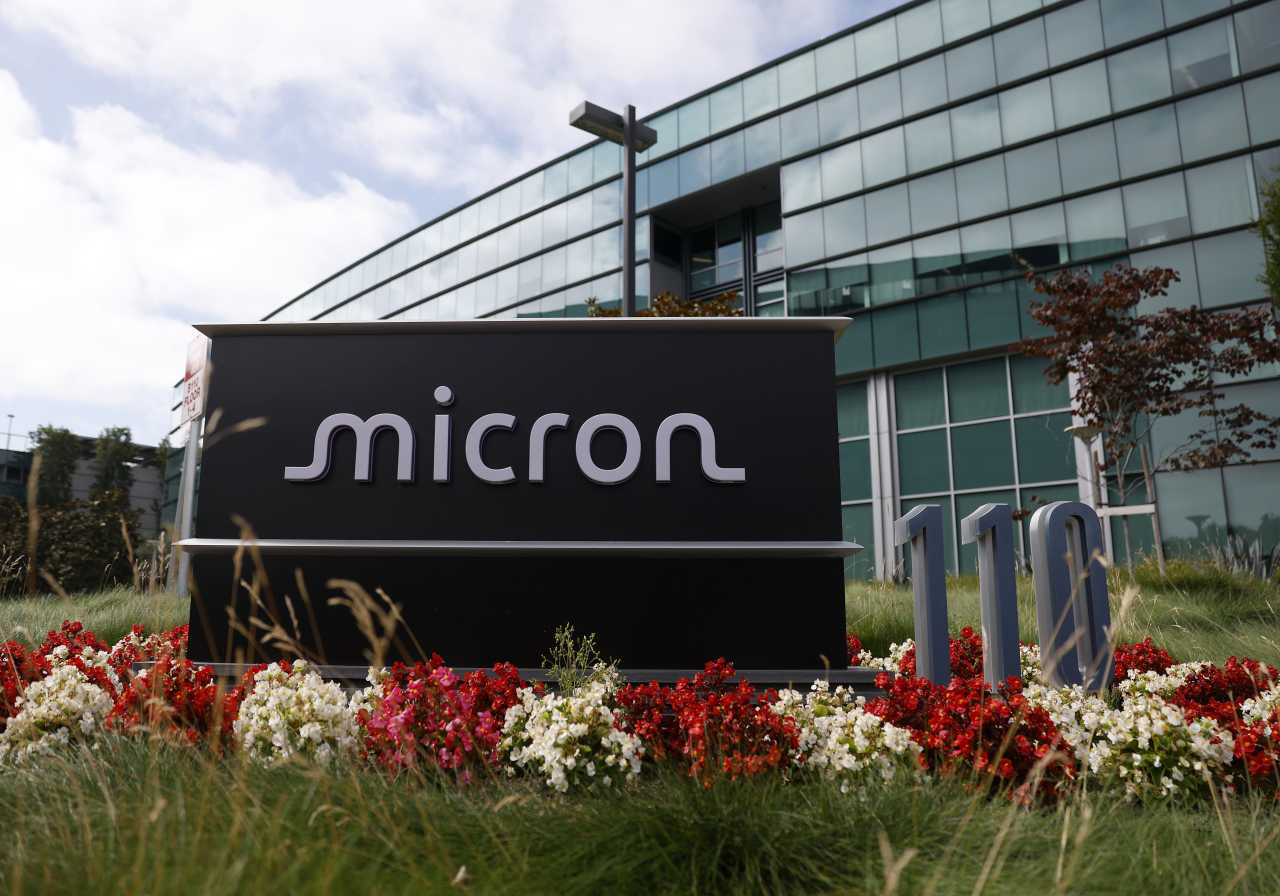
The semiconductor industry is poised for a record-breaking year with revenues projected to hit $1.5 trillion. Micron Technology is emerging as a central player in this growth, driven by the surging demand for specialized memory chips in AI applications.
The Semiconductor Supercycle: A $1.5 Trillion Horizon
The global semiconductor industry is currently navigating a period of unprecedented expansion, with market projections indicating that total revenue will reach an staggering $1.5 trillion this year. This surge is not merely a product of general hardware demand but is fundamentally anchored in the explosive growth of Artificial Intelligence (AI). As computational requirements for generative AI and large language models grow, the architecture of modern data centers is shifting to prioritize high-bandwidth, high-capacity memory solutions.
The Critical Role of Memory in AI
At the heart of the AI boom lies a fundamental bottleneck: data movement. Processors, no matter how powerful, are only as effective as the memory that supplies them with data. Memory chips, specifically High Bandwidth Memory (HBM), have become the lifeblood of AI infrastructure. Because AI training and inference tasks require massive datasets to be processed near-instantaneously, the industry has pivoted toward specialized memory that minimizes latency. This shift has elevated memory manufacturers from commodity suppliers to essential architects of the AI stack.
Micron’s Strategic Positioning
Micron Technology has carved out a dominant niche in this ecosystem by aligning its production roadmap with the specific demands of AI hardware. By focusing on advanced DRAM and NAND technologies, Micron has positioned itself as a critical partner for the world’s largest tech conglomerates. Their ability to scale production of HBM is perhaps the most significant factor in their current market standing, as the industry faces a supply-constrained environment where demand far outstrips existing manufacturing capacity.
Broader Economic Implications
Reaching the $1.5 trillion revenue milestone represents a structural change in the global economy. Semiconductors are no longer just components for consumer electronics; they are the fundamental utility of the 21st century. The reliance on these chips for AI, autonomous systems, and industrial automation means that memory manufacturers now hold significant geopolitical and economic influence. Countries and corporations are treating semiconductor supply chains as matters of national security, further insulating companies like Micron from cyclical downturns that have historically plagued the sector.
Looking Toward a Memory-First Future
As we look toward the future, the trend of memory-centric computing is likely to accelerate. Future AI architectures will require even denser and faster memory to support increasingly complex neural networks. This long-term trend suggests that the current boom is not a temporary spike but a permanent shift in how data-intensive technologies are built. For Micron, this means their reign is likely to persist as long as they maintain their technical lead in HBM and high-density storage solutions.
Conclusion
In summary, the semiconductor industry's projected $1.5 trillion revenue mark is a testament to the transformative power of AI. Memory chips have evolved from background components to the primary drivers of technological innovation. Micron’s strategic focus on the infrastructure requirements of the AI era places them at the forefront of this industrial shift, ensuring their continued relevance as the backbone of the digital economy.
Verification Required?