Think tanks urge MoHUA to boost women e-bus drivers under PM scheme
Source Entity
Latest News: Today's Latest News Headlines from India & World | Hindustan Times | Hindustan Times
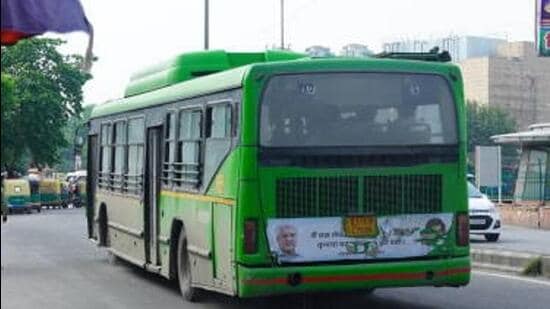
The report recommended that MoHUA launch a dedicated programme for women e-bus drivers aligned with the PM e-Bus Sewa scheme
Driving Change: Integrating Gender Inclusivity into Urban Electrification
The recent recommendation by prominent think tanks urging the Ministry of Housing and Urban Affairs (MoHUA) to launch a dedicated program for women e-bus drivers marks a pivotal intersection between environmental sustainability and social equity. By aligning this initiative with the PM e-Bus Sewa scheme, policymakers are being encouraged to look beyond the mechanical transition from internal combustion engines to electric motors, focusing instead on the human infrastructure that powers urban mobility. This move suggests a strategic shift toward making the public transport workforce more representative of the population it serves.
The Strategic Role of PM e-Bus Sewa
To understand the significance of this recommendation, one must first look at the broader context of the PM e-Bus Sewa scheme. This initiative is a cornerstone of India's commitment to reducing urban air pollution and meeting net-zero emissions targets. By deploying thousands of electric buses across cities, the government aims to modernize public transport and reduce reliance on fossil fuels. However, the transition to electric vehicles (EVs) provides a unique 'entry point' for workforce diversification. Unlike the legacy diesel bus sector, which is deeply entrenched in traditional gender roles, the e-bus sector is a new frontier, allowing MoHUA to build a more inclusive employment model from the ground up.
Empowering Women in a Male-Dominated Sector
The push for a dedicated program for women drivers is not merely a symbolic gesture but a calculated move toward economic empowerment. The transport sector has historically been a male bastion, often creating barriers for women due to lack of training, social stigmas, and inadequate infrastructure. By creating a structured pathway—including specialized training and recruitment drives—the government can break these systemic barriers. This alignment with the 'Nari Shakti' (Women's Power) philosophy ensures that the green transition provides tangible economic opportunities for women, effectively bridging the gender gap in technical and vocational employment.
Enhancing Passenger Safety and Experience
Beyond employment metrics, the inclusion of more women drivers has a direct correlation with the safety and comfort of female passengers. Urban transit systems often struggle with perceptions of safety for women; the presence of women in operational roles can foster a more inclusive and secure environment. When women are seen in positions of authority and technical skill, such as driving large-scale electric buses, it alters the social fabric of public commuting. This holistic approach to urban planning recognizes that 'smart cities' are not just about technology, but about the safety and dignity of all citizens.
Overcoming Operational and Structural Barriers
For this recommendation to succeed, MoHUA will likely need to address several structural challenges. A 'dedicated programme' implies more than just hiring quotas; it necessitates the creation of gender-sensitive infrastructure. This includes the provision of safe resting areas, clean sanitation facilities at bus depots, and flexible shift timings to accommodate familial responsibilities. Furthermore, the training modules must be tailored to ensure that women are equipped with the technical knowledge required to handle EV-specific systems, ensuring they are not just drivers but skilled operators of modern technology.
Future Trends in Inclusive Mobility
Looking forward, the integration of women into the e-bus workforce could serve as a blueprint for other sectors of the green economy. If MoHUA successfully implements this model, it could scale to include women in EV charging infrastructure management, fleet maintenance, and urban transit planning. This trend aligns with global shifts toward 'Gender-Responsive Urban Planning,' where the needs and contributions of women are central to the design of city systems. The long-term result would be a more resilient and equitable urban transport network that drives both ecological and social progress.
Conclusion
In summary, the urge by think tanks to boost the number of women e-bus drivers under the PM e-Bus Sewa scheme is a forward-thinking proposal. It transforms a climate-centric policy into a tool for social engineering. By focusing on training, infrastructure, and inclusive hiring, MoHUA has the opportunity to ensure that the journey toward a greener India is one where everyone, regardless of gender, has a seat—and a steering wheel—at the table.
Verification Required?