Parliament at a standstill, protests on streets: The Monsoon session story
Source Entity
ABHISHEK MISHRA
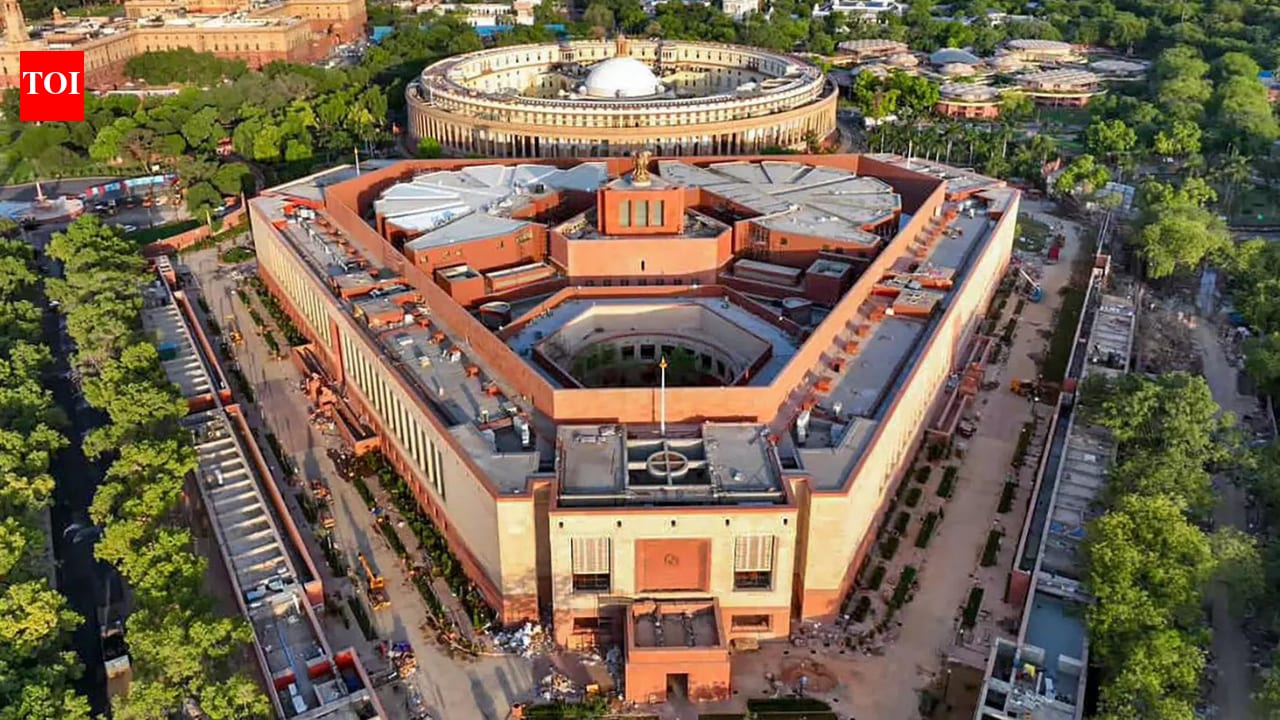
The Monsoon session of Parliament concluded with record-low productivity and intense political confrontation. Legislative proceedings were frequently disrupted by protests, leading to a session defined more by public posturing than substantive debate.
The Monsoon Session: A Crisis of Parliamentary Productivity
The recent Monsoon session of the Indian Parliament has concluded, leaving behind a stark narrative of institutional gridlock. With productivity levels plummeting to a mere 19% in the Lok Sabha and 39% in the Rajya Sabha, the session has been widely criticized as being profoundly unproductive in terms of meaningful legislative discourse. This data reflects a growing trend of parliamentary disruption, where the primary function of the legislature—to debate and refine policy—is frequently sidelined by partisan antagonism.
The Anatomy of Disruption
From its inception, the session was marred by protests that effectively paralyzed the day-to-day operations of both Houses. Rather than functioning as a forum for consensus-building, the Parliament became a theater for confrontation. The legislative agenda, while technically moving forward through the passage of specific bills, lacked the depth of scrutiny that is essential for a healthy democracy. The disconnect between the government and the opposition meant that even when bills were passed by both Houses, the process was often devoid of the robust discussion required to address the complexities of the proposed legislation.
Political Polarization and Public Posturing
Political tensions spilled over from the floor of the House into the public sphere, as leaders like Rahul Gandhi and Amit Shah engaged in a high-stakes war of words. The characterization of Rahul Gandhi by Dharmendra Pradhan as a 'habitual liar' underscores the increasingly toxic nature of political rhetoric. This shift of the debate from the parliamentary floor to the streets and media platforms suggests that political parties are prioritizing public optics and electoral messaging over institutional parliamentary procedure.
External Factors and Broader Implications
Adding to the complexity of the session were external political pressures, including protests related to the Ram Mandir and developments in Jharkhand. These issues acted as catalysts for further disruption, demonstrating how national and state-level political grievances are increasingly being imported into the parliamentary setting. By turning the Parliament into a site for these protests, the legislative branch has become a mirror of the heated, and often polarized, political climate of the country at large.
The Erosion of Legislative Scrutiny
When a session is described as 'not a good session in terms of discussion,' the implication is that the oversight mechanism of the executive branch has been severely compromised. Without adequate debate, bills are passed without the thorough vetting that prevents potential policy failures. This trend poses a significant threat to long-term governance, as the lack of rigorous legislative scrutiny inevitably leads to poorly implemented laws that may require subsequent, costly amendments.
Conclusion: Assessing the Future of Parliamentary Democracy
The Monsoon session serves as a sobering reminder of the fragile state of parliamentary norms in India. While the legislative machinery ostensibly functioned, the spirit of parliamentary democracy—characterized by the exchange of ideas and the holding of power to account—was largely absent. Future sessions will need to prioritize a return to deliberative norms if the institution is to regain its credibility and fulfill its constitutional mandate to represent the people's interests through informed and respectful debate.