Mortgage rates rise to highest level in nearly a year, causing homebuyers to pause
Source Entity
US Top News and Analysis
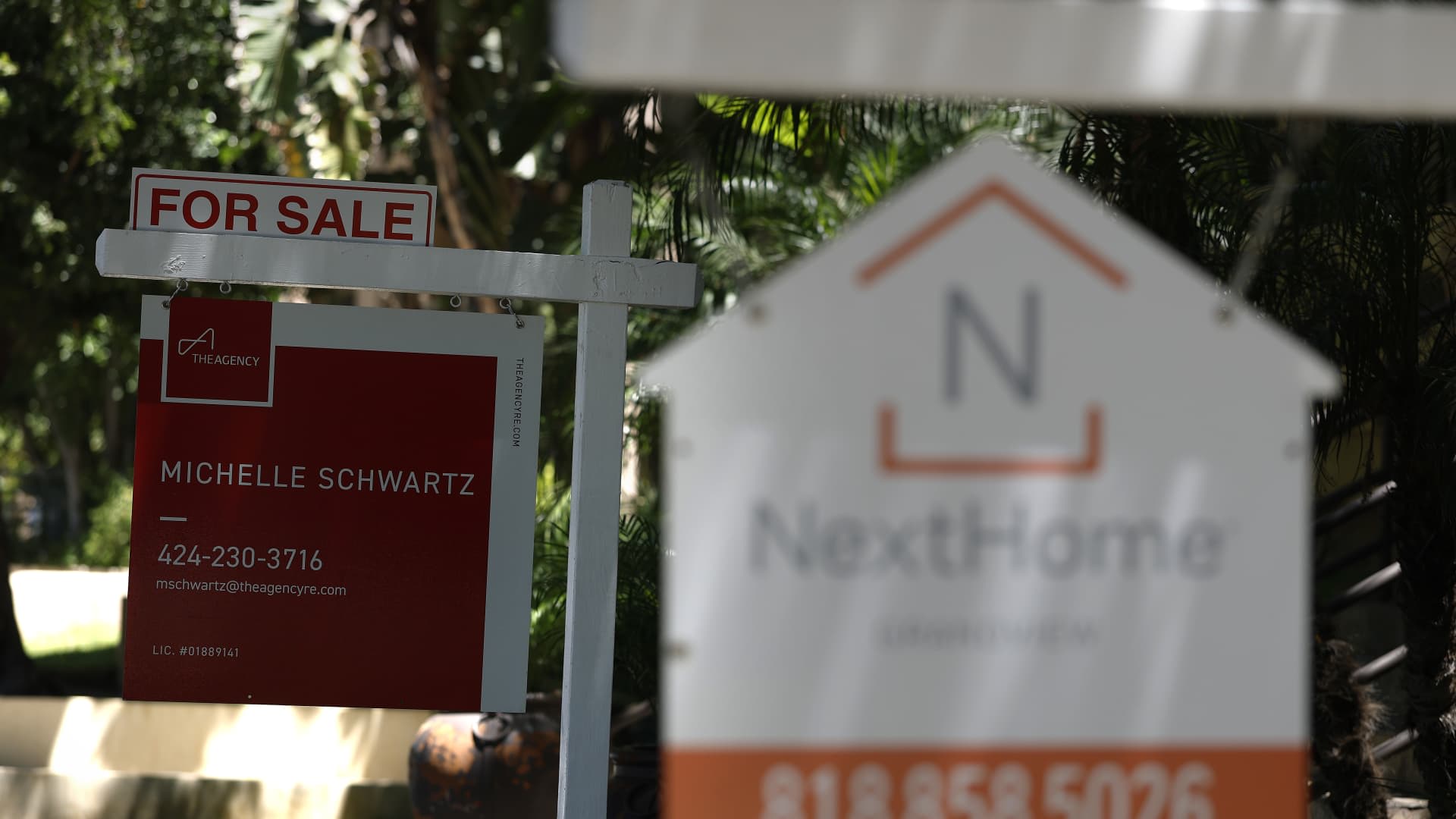
Mortgage rates have reached their highest point in nearly a year, leading to a noticeable decline in homebuying activity, although refinancing saw a slight increase.
The Impact of Rising Mortgage Rates on the Housing Market
Introduction
The housing market is currently navigating a period of significant volatility as mortgage rates have surged to their highest levels in nearly a year. This upward trajectory in borrowing costs has created an immediate cooling effect on buyer demand, leading to a widespread "pause" in home acquisition. While the broader real estate market often fluctuates based on seasonal trends, the current spike is driven by deeper economic pressures that are fundamentally altering the accessibility of homeownership for a large segment of the population.
The Psychology of the Homebuyer Pause
When mortgage rates rise sharply, the immediate impact is felt in the monthly payment calculations of prospective buyers. Even a fractional percentage increase can add hundreds of dollars to a monthly mortgage bill, pushing many buyers beyond their debt-to-income limits. This leads to a psychological and financial stalemate; buyers are hesitant to enter the market at a peak, fearing that they are locking themselves into high-interest debt just before a potential market correction. This "pause" is not merely a delay but a strategic retreat as households re-evaluate their affordability and wait for more favorable lending conditions.
Analyzing the Refinancing Anomaly
Interestingly, the provided data indicates that while new home purchases declined, refinancing saw small gains. This paradox suggests a strategic move by current homeowners. In an environment of rising rates, some borrowers may be rushing to refinance into fixed-rate products to protect themselves from further increases. This behavior indicates a market perception that rates may continue to climb, prompting a "last chance" window for those who still qualify for competitive terms. This divergence between purchase activity and refinancing activity highlights a market split between those seeking entry and those seeking stability.
The Macroeconomic Drivers
These rate hikes do not occur in isolation; they are typically the result of broader monetary policies designed to combat inflation. When central banks raise benchmark interest rates to cool an overheating economy, mortgage lenders follow suit to maintain their margins. The current trend reflects a broader global economic struggle to balance price stability with growth. For the average homebuyer, this means that their ability to purchase a home is now inextricably linked to national inflation data and the strategic decisions of monetary authorities, making the housing market more sensitive to macroeconomic news than in previous decades.
The "Lock-in Effect" and Inventory Constraints
One of the most critical implications of rates hitting a one-year high is the exacerbation of the "lock-in effect." Many current homeowners are holding mortgages with historically low rates from several years ago. Faced with the prospect of trading a 3% or 4% mortgage for one that is significantly higher, these homeowners are choosing to stay put rather than upgrade or downsize. This reduces the supply of existing homes on the market, which can ironically keep home prices elevated even as demand from new buyers drops, creating a stagnant market where neither buyers nor sellers feel it is the optimal time to move.
Future Projections and Market Stability
Looking forward, the persistence of these high rates will likely lead to a period of price stagnation or a gradual correction in home valuations. If rates remain at this one-year high or continue to climb, we can expect a shift toward alternative housing solutions, such as an increase in rental demand or a rise in "creative financing" arrangements between buyers and sellers. The market will eventually reach a new equilibrium, but the transition period will be characterized by low transaction volumes and a high degree of sensitivity to any news regarding interest rate cuts.
Summary
In conclusion, the recent spike in mortgage rates has acted as a powerful deterrent for homebuyers, leading to a marked decrease in market activity. While the slight uptick in refinancing shows that some homeowners are proactively managing their debt, the overall sentiment is one of caution. The interplay between inflation, central bank policy, and the lock-in effect has created a complex environment where affordability is the primary barrier to market fluidity.