Mouldy, infested housing for vulnerable people sold as ethical investments abroad
Source Entity
BBC News
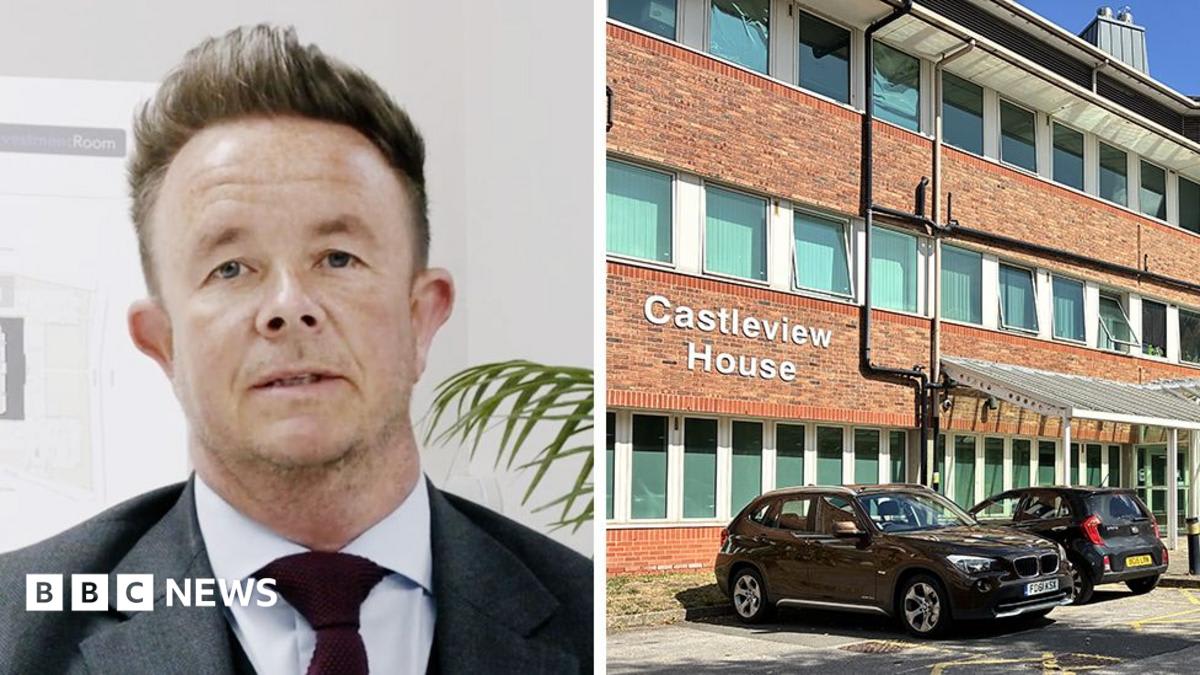
Investigations reveal that substandard housing for vulnerable populations is being sold to overseas investors as 'ethical' assets. These properties are falsely marketed with claims of government-backed returns, raising serious ethical and regulatory concerns.
The Ethical Investment Mirage
A recent investigation has uncovered a disturbing trend in the property market where housing units intended for vulnerable tenants are being repackaged as 'ethical investments' for overseas buyers. These properties, often plagued by mould and infestations, are being sold at premium prices under the guise of secure, government-backed returns. This practice exploits both the vulnerable individuals living in substandard conditions and the international investors who believe they are participating in a socially responsible venture.
The Mechanics of Deception
The scheme relies on the opacity of property management and ownership structures. In the case of Castleview House, tenants like Phil were unaware their homes had been sold to foreign investors until investigative journalists intervened. The arrival of bills addressed to individuals like Jan Hála—a Czech investor—serves as a primary indicator of this disconnect between the physical reality of the housing and the financial instruments created around it. The marketing of these assets as 'government-backed' suggests a level of security that does not reflect the actual maintenance standards or the lived experience of the residents.
Accountability and Corporate Governance
Central to this controversy is the role of key figures such as Lee Jones, who has claimed that his companies provide high-quality accommodation while simultaneously distancing himself from the maintenance of communal areas following freehold sales in 2021. The investigation highlights a potential conflict of interest involving figures like Chris Smith, raising questions about the oversight of these housing associations. The failure of entities like Britské Reality to respond to inquiries underscores a broader lack of transparency that permeates these investment chains.
The Impact on Vulnerable Tenants
The human cost of these financial arrangements is profound. Residents housed by organizations like Nurture Housing Association are forced to navigate environments characterized by neglect, including structural issues and health hazards. Because ownership is fragmented and shifted to offshore or international entities, tenants find it nearly impossible to hold landlords accountable for necessary repairs or safe living standards. The 'ethical' label attached to these investments is fundamentally incompatible with the reality of the mould-infested units reported.
Regulatory and Market Implications
This situation points to a critical need for tighter regulation of the 'ethical investment' property sector. When housing for the vulnerable is treated purely as a commodity for foreign capital, the incentive for maintaining basic human standards evaporates. Investors, driven by the promise of government-backed yields, may be inadvertently funding the decline of social housing stock. Future trends suggest that unless stringent oversight is applied to the marketing and management of these units, the reputation of social impact investing will continue to be eroded by such predatory practices.
Conclusion
The investigation into the sale of substandard housing to overseas investors exposes a systemic failure to protect both vulnerable tenants and unsuspecting buyers. By prioritizing financial gain through deceptive marketing, these entities have jeopardized the safety and dignity of residents. Moving forward, greater transparency in property ownership and stricter verification of 'ethical' claims are essential to prevent the further exploitation of social housing assets.