‘Don’t pap me ever’: Mouni Roy asks paparazzi to stop photographing her, deletes post later
Source Entity
The Indian Express
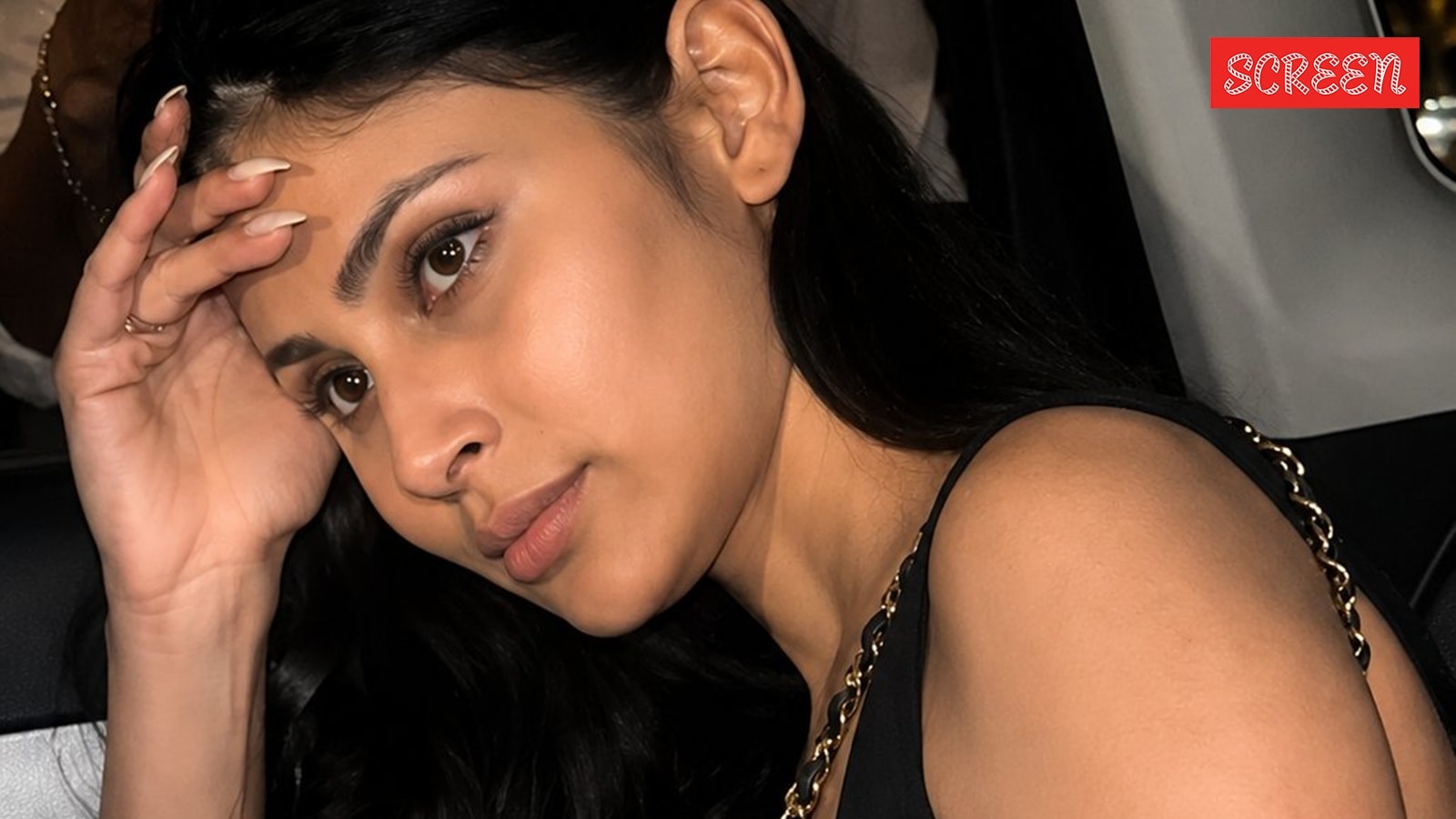
Actor Mouni Roy sparked a social media debate after a viral video showed her confronting Mumbai paparazzi, demanding they stop photographing her. The incident highlights the ongoing tension between celebrity privacy and intrusive media culture.
The Clash of Privacy and Publicity: Analyzing Mouni Roy's Paparazzi Confrontation
In a recent incident that has captured the attention of social media users and entertainment critics alike, actor Mouni Roy found herself at the center of a heated confrontation with paparazzi in Mumbai. The core of the controversy stems from a viral video in which Roy, appearing visibly distressed and overwhelmed, explicitly told photographers, “Don’t pap me ever.” This moment of raw emotion, captured and shared across digital platforms, serves as a poignant example of the breaking point many public figures reach when the boundaries between their professional personas and private lives are blurred.
The Anatomy of the Incident
The confrontation was not merely a brief disagreement but a manifestation of accumulated stress. The video depicts Roy in a state of agitation, suggesting that the persistence of the photographers had crossed a personal threshold. Interestingly, the subsequent deletion of the post related to the incident suggests a complex aftermath. Such deletions often indicate a strategic pivot by PR teams to mitigate negative perceptions of the actor being labeled as “diva-like,” or perhaps a personal reflection by the actor on the volatility of public outbursts in the digital age. This cycle of confrontation followed by digital erasure is becoming a common pattern in celebrity crisis management.
The Ecosystem of Mumbai's Paparazzi Culture
To understand the gravity of Roy's reaction, one must examine the unique and often aggressive nature of the paparazzi culture in Mumbai. Unlike the more structured red-carpet events of the West, Mumbai's celebrity photography often involves 'stakers' who wait outside airports, gyms, and private residences for hours. This creates a high-pressure environment where actors are essentially ambushed during their most mundane activities. The symbiotic relationship between stars and paps—where stars use paps for visibility and paps use stars for clicks—often collapses when the star's need for mental peace outweighs the benefits of publicity.
The Psychological Toll of Constant Surveillance
Roy's reaction underscores the psychological toll of living under constant surveillance. The phrase “Don’t pap me ever” is a plea for autonomy. For public figures, the transition from a curated public image to a vulnerable private state is often interrupted by a camera lens, leading to feelings of violation and anxiety. This incident highlights a growing trend of celebrities reclaiming their space and challenging the unspoken rule that being famous equates to a total forfeiture of privacy. The visible distress seen in the video is a symptom of a broader industry issue where the 'right to know' is weaponized to justify intrusive behavior.
Public Perception and the 'Diva' Narrative
The reaction to this event on social media typically splits into two camps. One segment of the audience views Roy's outburst as a justified defense of personal boundaries, sparking conversations about mental health and the ethics of intrusive journalism. Conversely, another segment views such reactions as entitlement, framing the actor as ungrateful for the media attention that fuels their stardom. This dichotomy reveals a societal struggle to define where a celebrity's public duty ends and their human right to privacy begins.
Future Trends in Celebrity-Media Relations
Looking forward, this incident may signal a shift toward more stringent boundaries in the Indian entertainment industry. We are likely to see an increase in celebrities explicitly designating 'no-photo' zones or utilizing legal frameworks to curb harassment. As the digital landscape evolves, the demand for 'candid' and 'raw' content will continue to drive paparazzi aggression, but it will also likely trigger a counter-movement of stars opting for more controlled, official channels of communication, thereby bypassing the intrusive paparazzi machine entirely.
Summary
Mouni Roy's confrontation with the paparazzi is more than a viral clip; it is a reflection of the systemic tension within the entertainment industry. By demanding an end to the intrusive photography, Roy has highlighted the precarious balance between fame and mental well-being. While the deletion of the post may temper the immediate controversy, the underlying issue of celebrity privacy remains a volatile and unresolved conflict in the age of instant virality.