'Don't attend Garba for reels and views': Madhya Pradesh Islamic body tells Muslim youth
Source Entity
Latest News: Todays Latest News Headlines from India & World | Hindustan Times | Hindustan Times
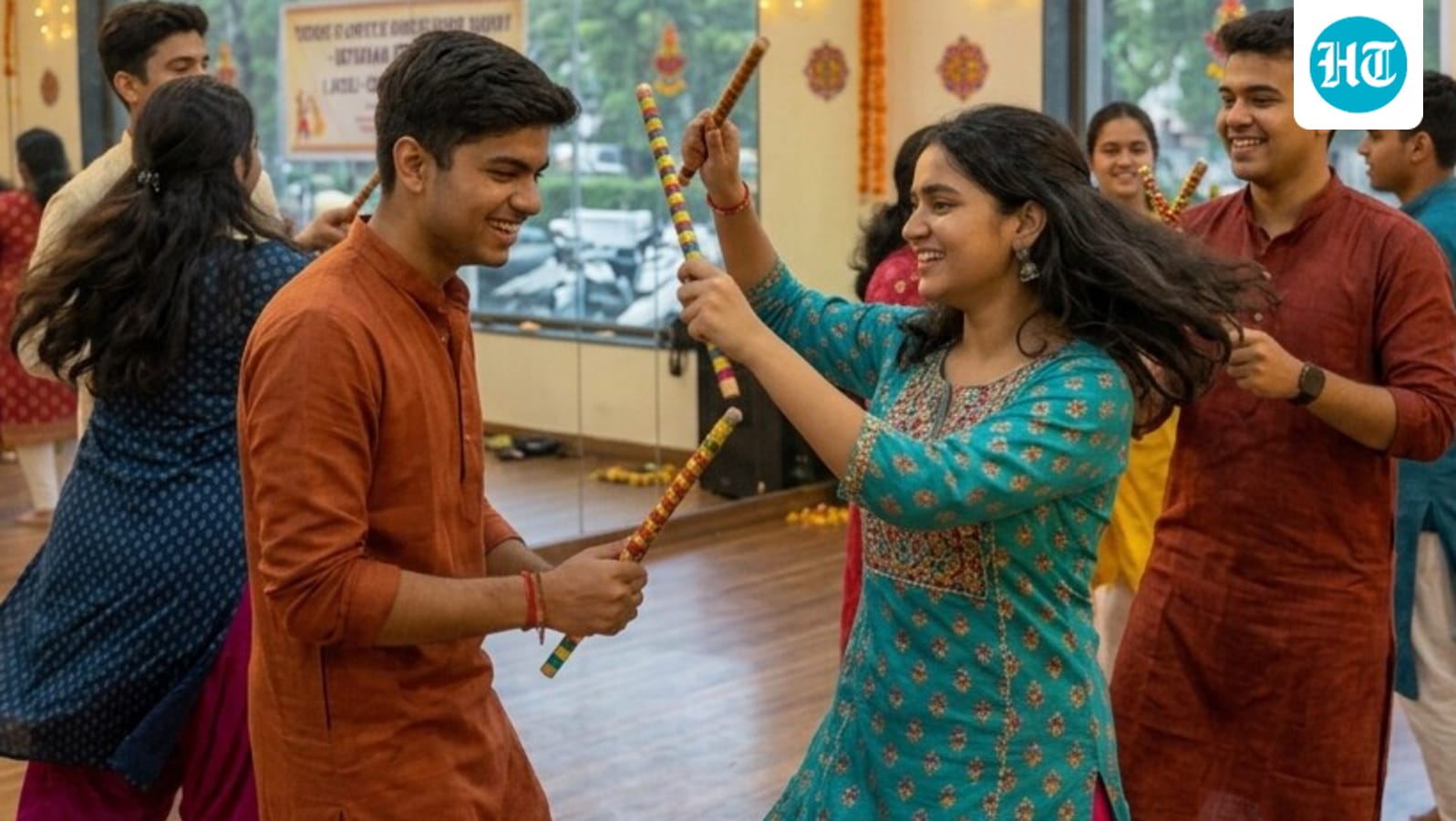
The Madhya Pradesh Muslim Tyohar Committee has urged Muslim youth to refrain from attending Garba events solely for social media content. The committee emphasized that such participation risks damaging the community's reputation and does not align with their cultural practices.
Community Leadership Addresses Social Media Trends
The Madhya Pradesh Muslim Tyohar Committee has issued a formal appeal to Muslim youth and students, urging them to abstain from attending Garba events specifically for the purpose of creating social media content, such as reels, or seeking online validation through likes and views. This directive, spearheaded by committee state president Zeeshan Rehman, highlights a growing tension between modern digital behavior and traditional community boundaries.
The Intersection of Digital Culture and Identity
In an era where social media engagement often dictates public behavior, the committee’s stance reflects a concern that the quest for viral content is leading youth to participate in cultural and religious events outside their own faith traditions. By specifically targeting the motivation of 'reels and views,' the leadership is attempting to curb a trend that they perceive as performative and potentially inflammatory, arguing that such actions can lead to unintended consequences for the wider community’s reputation.
Defining Community Boundaries
Zeeshan Rehman explicitly clarified that Garba events are not part of the religious festivals or programming of the Muslim community. The committee’s appeal acts as a boundary-setting measure, aiming to reinforce a sense of cultural identity among the youth. This move suggests that the leadership views the casual participation in these events as a dilution of the community’s distinct religious and social identity, particularly when that participation is driven by the superficial requirements of social media algorithms.
Social Implications and Public Perception
Beyond the individual act of attending an event, the committee is deeply concerned about how these actions are perceived by the public. In the current socio-political climate in Madhya Pradesh, where religious sensitivities are heightened, the committee fears that the presence of Muslim youth at such events—especially when filmed for viral content—could be misinterpreted or provoke unnecessary friction. The appeal is, therefore, a strategic attempt at reputation management to prevent the community from being drawn into avoidable controversies.
Future Trends in Community Governance
This development signals a broader trend of religious and social organizations attempting to exert greater influence over the digital habits of their youth members. As social media continues to blur lines between different cultural groups, we can expect more community bodies to issue guidance on acceptable online conduct. The emphasis here is on 'mindful consumption' of digital content, urging younger generations to consider the broader social implications of their online activity before engaging with public events.
Conclusion
The appeal from the Madhya Pradesh Muslim Tyohar Committee serves as a reminder of the complex interplay between technology, identity, and social harmony. By urging youth to prioritize community reputation over viral fame, the committee seeks to maintain cultural distinctiveness and social stability, reinforcing the idea that digital actions have real-world consequences that extend far beyond the screen.
Verification Required?