Veteran Kapu leader Mudragada Padmanabham passes away at 73
Source Entity
India Latest News: Top National Headlines Today & Breaking News | The Hindu
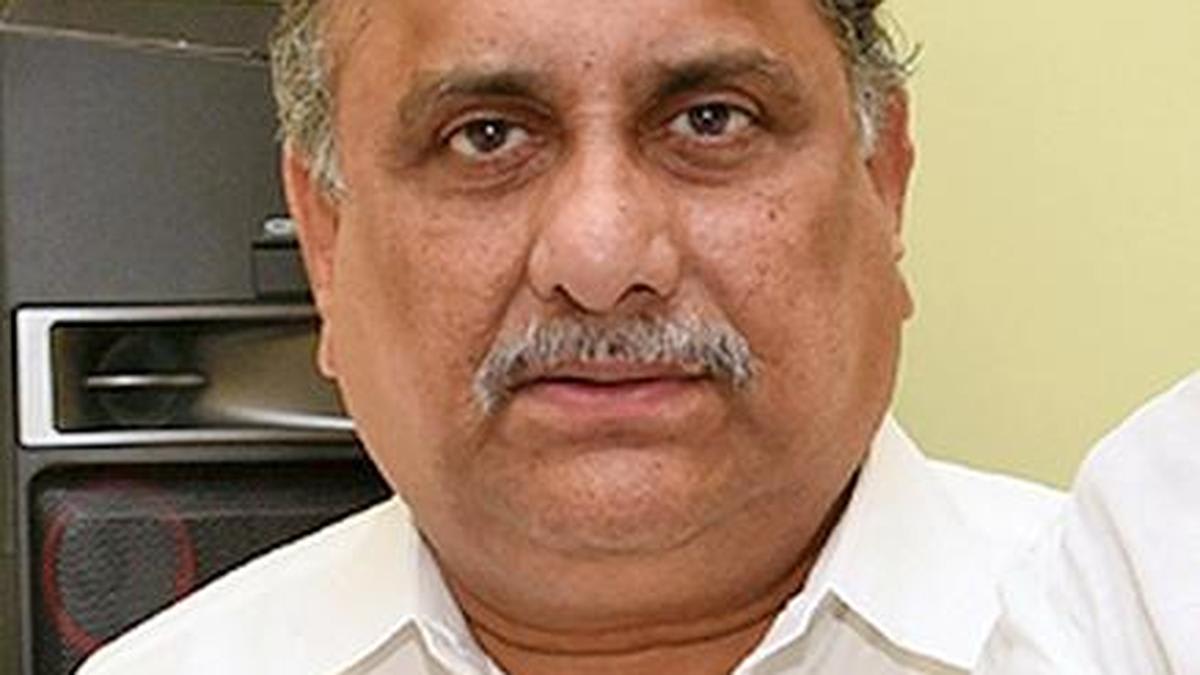
Veteran Kapu leader Mudragada Padmanabham, a central figure in Andhra Pradesh's struggle for social justice and reservation, has passed away at the age of 73.
The Passing of a Social Titan: Mudragada Padmanabham
The death of Mudragada Padmanabham at the age of 73 marks the end of an era for social activism in Andhra Pradesh. As a veteran leader of the Kapu community, Padmanabham was not merely a political figure but a symbol of resistance and aspiration for millions. His passing leaves a significant void in the landscape of caste-based advocacy in Southern India, as he had dedicated a substantial portion of his life to challenging the socioeconomic status quo of the Kapu people.
A Lifetime of Advocacy for the Kapu Community
Mudragada Padmanabham is best remembered for leading what is described as Andhra Pradesh’s longest social movement. The core of his struggle was the demand to restore Backward Class (BC) status for the Kapu community. In the complex tapestry of Indian caste politics, BC status is a critical gateway to affirmative action, providing essential reservations in government employment and educational institutions. Padmanabham's leadership was characterized by an astute understanding of how to mobilize the masses, turning a community grievance into a powerful political force that could not be ignored by any ruling administration.
Understanding the BC Status Struggle
To understand the weight of Padmanabham's work, one must look at the historical context of reservation in Andhra Pradesh. The Kapu community, while numerically strong and influential in various sectors, has long felt marginalized in terms of formal state support and quotas. The movement led by Padmanabham sought to rectify this by arguing that the community met the criteria for backwardness. This struggle often involved intense negotiations with the state government, punctuated by mass rallies and hunger strikes, reflecting the deep-seated desire for social mobility and systemic equity among the Kapu people.
Impact on Andhra Pradesh's Political Landscape
Padmanabham's influence extended far beyond social gatherings; he was a kingmaker in the political arena of Andhra Pradesh. Because the Kapu community holds significant voting power, his endorsement or opposition could shift the fortunes of major political parties. His ability to organize the community meant that any political party aspiring to hold power in the state had to engage with him and address the demands of the Kapu movement. This dynamic turned the quest for BC status into a central pillar of regional political discourse for decades.
The Nature of the Longest Social Movement
The "longest social movement" mentioned in the reports refers to the persistent, multi-decade campaign that refused to fade despite changing governments and legal hurdles. Padmanabham employed a variety of tactics, from peaceful protests to high-pressure political lobbying. The endurance of this movement is a testament to his persistence and the depth of the community's conviction. By keeping the issue alive through various political cycles, he ensured that the question of Kapu reservation remained a priority on the legislative agenda.
Legacy and Future Implications
With the passing of Mudragada Padmanabham, the Kapu movement faces a critical juncture. He was the primary bridge between the community's grassroots frustrations and the corridors of power. The future of the movement will likely depend on whether a new leadership can emerge that possesses the same level of charisma and strategic acumen. There is a risk of fragmentation within the movement, but there is also an opportunity for the cause to evolve into a more diversified political strategy.
Conclusion: Mudragada Padmanabham's life was defined by his commitment to the upliftment of the Kapu community. His legacy will be measured not just by the political concessions won, but by the consciousness he raised regarding social justice and the right to representation in Andhra Pradesh. His death marks the closing of a chapter of intense social agitation, leaving behind a community that continues to seek the formal recognition he fought for throughout his life.
Verification Required?