The Aeropod automates soil aeration without robotics — see it at TechCrunch Disrupt
Source Entity
Tim De Chant
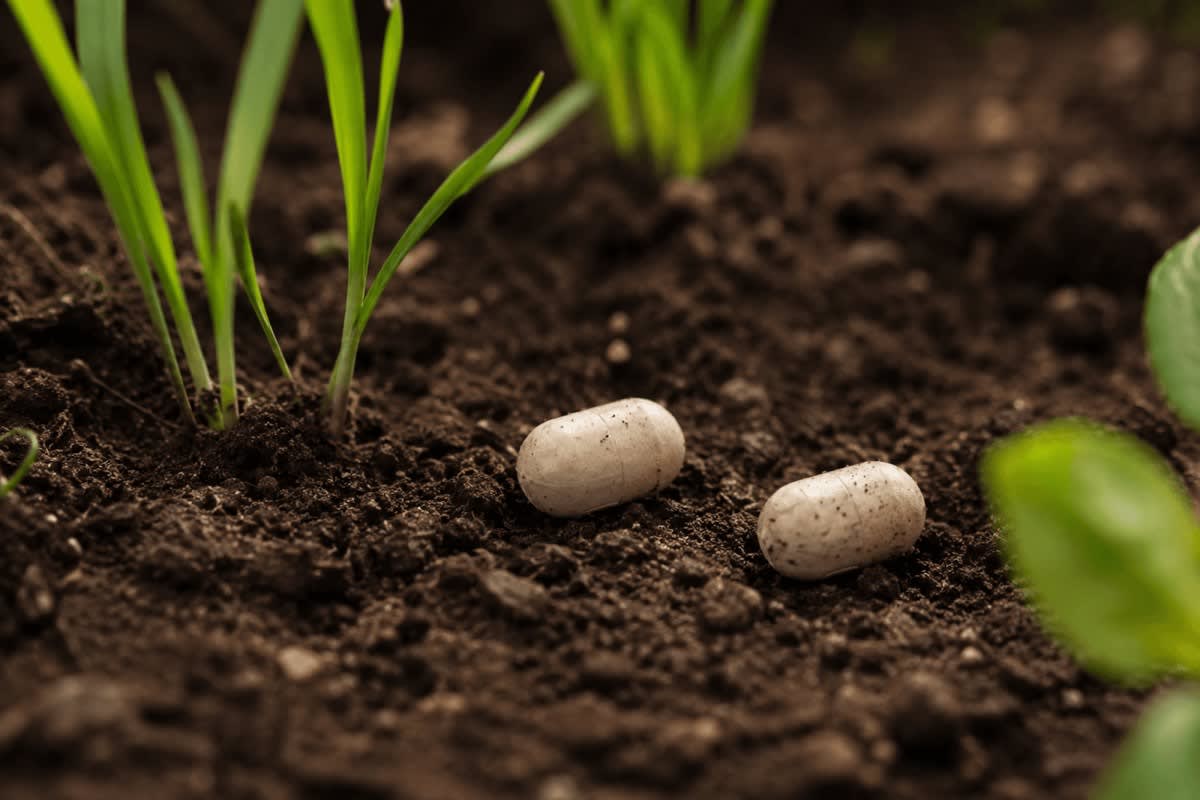
Muju Earth Technologies has unveiled the Aeropod, a non-robotic, seed-sized device designed to automate soil aeration. This innovation aims to combat soil compaction, potentially boosting crop yields while significantly reducing agricultural tilling costs.
Rethinking Soil Health: The Aeropod Innovation
Modern agriculture faces a silent crisis: soil compaction. As heavy machinery traverses vast fields for tilling, planting, and harvesting, the ground beneath becomes increasingly dense. This compaction restricts root growth, limits water infiltration, and hampers the movement of essential nutrients. Studies suggest that this phenomenon is not merely a minor inconvenience but a major economic drain, capable of slashing agricultural yields by a staggering 20% to 60%.
The Failure of Traditional Tilling
For decades, farmers have relied on mechanical plowing to mitigate compaction. However, this solution often creates a cycle of degradation. Frequent tilling disrupts the delicate soil microbiome, increases erosion risks, and requires significant fuel and labor investment. As margins for farmers tighten globally, the financial and ecological costs of traditional heavy-machinery tilling have become increasingly unsustainable, necessitating a shift toward innovative, low-impact solutions.
Enter Muju Earth Technologies: A Deceptive Simplicity
Recognizing these systemic challenges, startup Muju Earth Technologies has introduced the Aeropod, a device that eschews complex robotics in favor of a biological-adjacent design. Co-founder and CEO Ifeoluwa Afolayan describes the technology as being “built like a seed” and “sowing like a seed.” By focusing on a form factor that integrates seamlessly into existing agricultural workflows, Muju Earth is addressing the barrier of adoption that often plagues high-tech farm equipment.
Operational Efficiency and Scalability
The Aeropod is designed to be dropped into the soil alongside traditional seeds during the planting process. Because it requires no external power source, complex sensors, or robotic navigation, it avoids the high capital expenditure associated with precision agriculture startups. This simplicity is its greatest strength, allowing for massive scalability across diverse farming environments without the need for specialized technical training or infrastructure upgrades.
Economic and Environmental Implications
By automating aeration, the Aeropod offers a dual benefit: it restores soil health and slashes operational costs. Muju Earth Technologies estimates that the implementation of these pods can reduce tilling expenses by 50% or more. This shift could fundamentally change the cost structure of row-crop farming, allowing producers to reclaim margins lost to soil degradation while simultaneously improving the long-term productivity of their land.
The Future of Regenerative Agriculture
The introduction of the Aeropod at TechCrunch Disrupt signals a broader trend in the AgTech sector: the move toward passive, regenerative technologies. Rather than attempting to overpower nature with massive steel machinery, innovators are looking for ways to assist natural processes. If the Aeropod succeeds in field-scale deployment, it could serve as a blueprint for future agricultural tools that prioritize soil biology, ultimately leading to a more resilient and profitable global food system.