‘Television actors are amazing’: Mukesh Chhabra says after Rohit Roy's comment on them lacking grace and dignity
Source Entity
Latest News: Todays Latest News Headlines from India & World | Hindustan Times | Hindustan Times
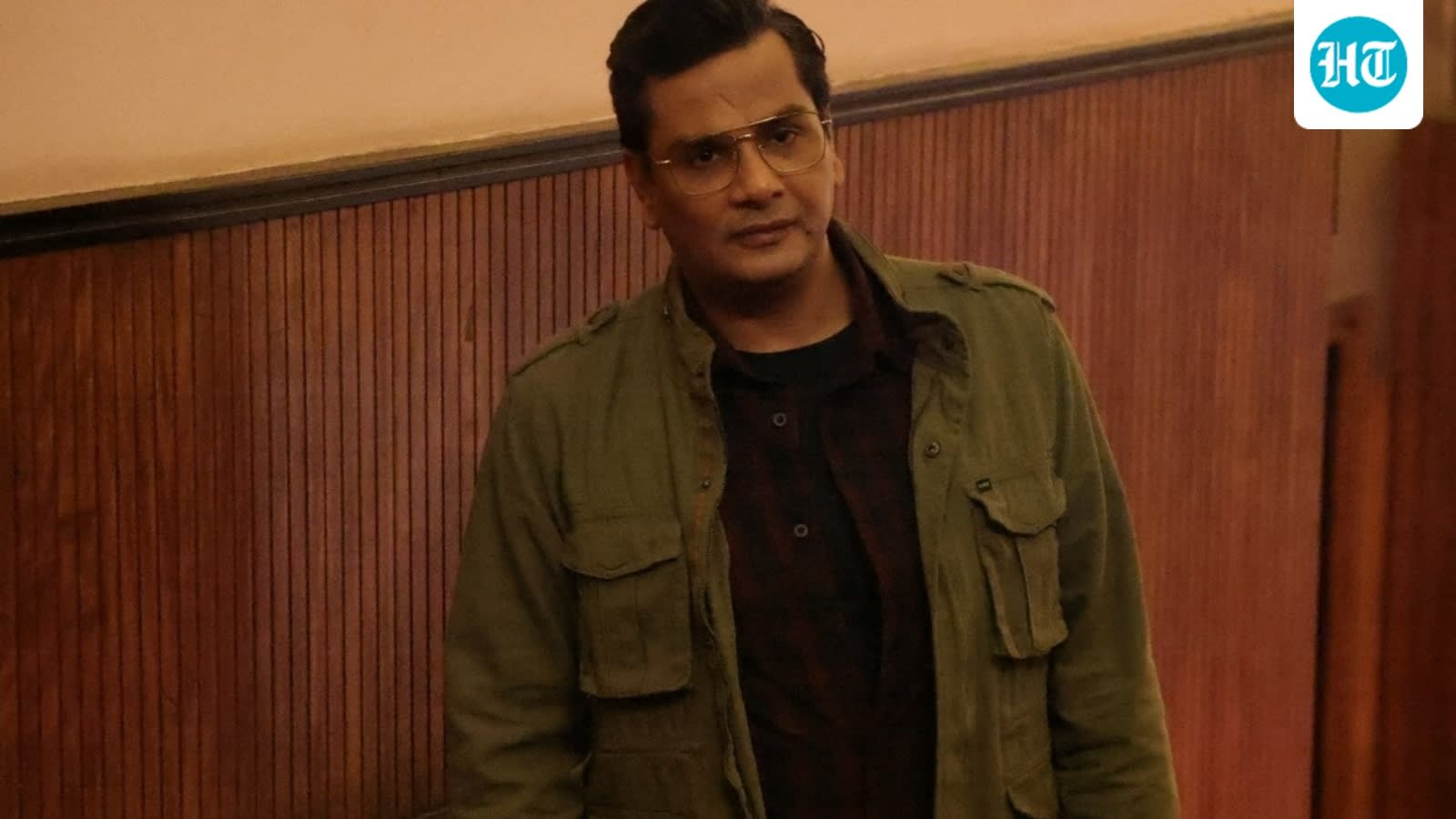
Casting director Mukesh Chhabra has defended television actors following controversial remarks by actor Rohit Roy, who labeled the medium a 'dustbin.' Chhabra praised the discipline, memory, and professionalism of TV actors, sparking a wider industry debate.
The Great Debate: Television vs. Cinema
The Indian entertainment industry is currently embroiled in a heated debate regarding the perceived hierarchy of acting mediums. This discourse was ignited by actor Rohit Roy, who publicly characterized television as a 'dustbin medium' while disparaging the conduct of TV actors at public events. Roy’s assertion that cinema is inherently superior because it is created for 'posterity' has drawn significant backlash from various corners of the industry, highlighting a deep-seated tension between the traditional prestige of the silver screen and the grueling, high-volume production environment of television.
Mukesh Chhabra’s Defense of TV Talent
Prominent casting director Mukesh Chhabra has emerged as a key voice in this conflict, offering a starkly different assessment of television performers. In a public statement on X, Chhabra explicitly countered the narrative of television being a lesser medium. By highlighting that a substantial portion of his successful casting discoveries originate from the small screen, Chhabra validated the artistic merit of these performers. His endorsement serves as a professional rebuttal to the elitism often directed toward actors who make their living in daily soaps and long-running serials.
The Technical Rigor of Daily Television
Chhabra’s analysis touches upon the unique skill sets required to survive in the television industry. Unlike cinema, where production schedules can be more measured, television actors operate under intense time constraints. Chhabra emphasized their 'incredible memory' and the ability to work every single day, which requires a level of stamina and adaptability rarely demanded in other formats. This technical prowess—often overlooked by critics—is what Chhabra identifies as the hallmark of a truly professional actor.
Professionalism and Public Perception
Beyond technical skill, the debate has also touched upon 'conduct.' Rohit Roy’s critique extended to how TV actors behave in public spaces, suggesting a lack of grace. However, Chhabra’s counter-argument shifts the focus back to the workplace, citing the 'discipline, dedication, and commitment' these actors bring to their craft. By framing their work ethic as something he 'deeply admires,' Chhabra suggests that the perceived lack of decorum mentioned by Roy does not reflect the professional reality of these performers on set.
Industry-Wide Implications
This controversy underscores a broader cultural shift. As streaming platforms and diverse media formats blur the lines between 'TV actors' and 'film actors,' the traditional stigma associated with television is increasingly viewed as outdated. The vocal support from industry peers like Devoleena Bhattacharjee, Naman Shaw, and Mukesh Chhabra indicates that the television community is no longer willing to accept derogatory labels without a fight. This solidarity suggests a growing recognition that talent is independent of the medium.
Future Trends in Casting
Looking ahead, the casting industry appears to be moving toward a meritocratic approach where the 'medium' is secondary to the actor's capability. As casting directors like Chhabra continue to champion television talent, we can expect to see fewer barriers for TV actors transitioning into mainstream film and digital roles. The 'dustbin' narrative, while provocative, may ultimately serve as a catalyst for greater respect and integration of television professionals into the broader entertainment ecosystem.
Verification Required?