Saif Ali Khan on stabbing incident: ‘I am still not 100% over it… knives make me react’
Source Entity
The Indian Express
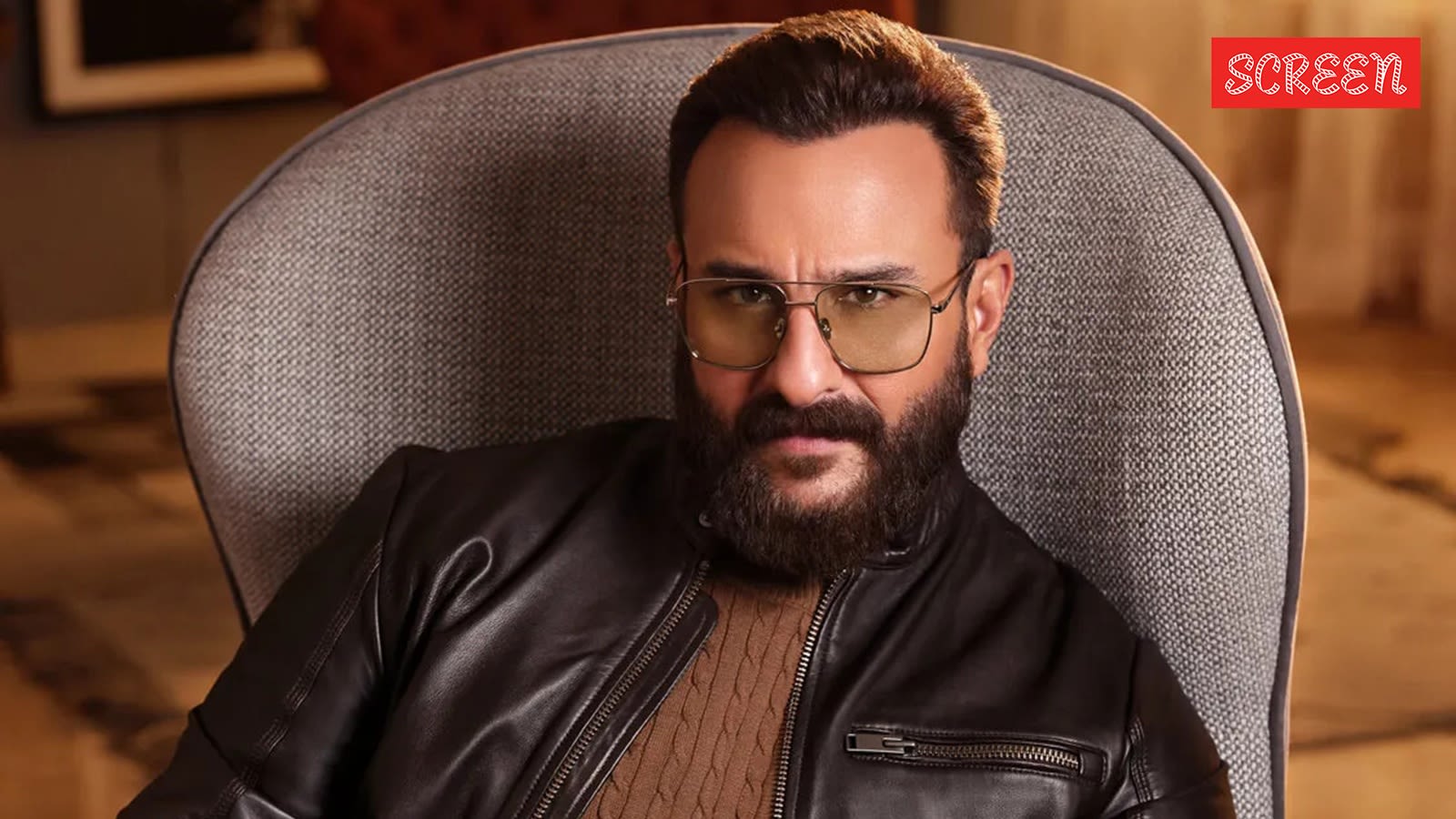
Actor Saif Ali Khan reflects on the lasting psychological impact of a 2025 home invasion and stabbing incident. He describes the trauma of the attack and his ongoing sensitivity toward knives during his recovery process.
A Traumatic Encounter: Analyzing Saif Ali Khan's Recovery
In January 2025, Bollywood actor Saif Ali Khan was the victim of a violent home invasion in Mumbai, during which he was stabbed multiple times by an intruder. The incident, which occurred within the sanctity of his private residence, has left a profound mark on the actor’s personal life. Now, over a year later, Khan has publicly addressed the lingering effects of the attack, highlighting the slow and complex nature of psychological recovery following a life-threatening event.
The Physical and Mental Toll
During the attack, the severity of his injuries left Khan feeling temporarily incapacitated, describing a state of being almost “paralysed.” In the harrowing moments as he lay injured, the actor recalled a visceral internal monologue, contemplating the concept of “dying as a warrior.” This revelation provides insight into the extreme fight-or-flight response triggered during such high-stakes confrontations, where the brain often resorts to primal survival instincts.
Impact on Family Dynamics
Recovery is rarely an isolated process, and Khan emphasized the ripple effect this violence had on his household. He noted that his wife was deeply affected, describing her as a sensitive individual who felt the weight of the trauma acutely. While Khan suggests they managed the aftermath with resilience, he acknowledges that the emotional burden is not something that simply vanishes. The incident serves as a reminder of how home invasions violate not just physical space, but the fundamental sense of security that families rely upon.
The Lingering Presence of Trauma
Perhaps the most telling aspect of Khan's recent interview is his admission of a persistent sensory trigger: the sight of a knife. By stating, “I am still not 100% over it because if I see a knife, it just makes me react,” Khan illustrates the nature of Post-Traumatic Stress (PTS). The brain’s amygdala, responsible for identifying threats, remains hyper-vigilant, associating common household objects with the memory of the assault. This involuntary physiological response is a hallmark of trauma that often requires professional therapeutic intervention to manage.
Broader Implications for Public Figures
The vulnerability of public figures in their own homes remains a subject of concern. While celebrities are often viewed through the lens of their professional personas, incidents like this strip away that layer, exposing them to the same dangers as any other citizen. Khan’s willingness to discuss his vulnerability publicly serves to destigmatize the conversation around mental health and trauma, acknowledging that even those in positions of privilege are susceptible to the lasting impacts of violence.
Conclusion and Future Outlook
As Saif Ali Khan continues his recovery, his candidness offers a window into the reality of surviving a violent crime. While the physical wounds may have healed, the emotional journey is clearly ongoing. His experience underscores the reality that moving past such a significant trauma is not a linear process, but rather a gradual recalibration of one's sense of safety and perception of the world.