After K Rustom, FDA suspends licences of Mumbai’s iconic Shalimar, Noor Mohammadi over alleged hygiene lapses
Source Entity
Purnima Sah, Heena Khandelwal
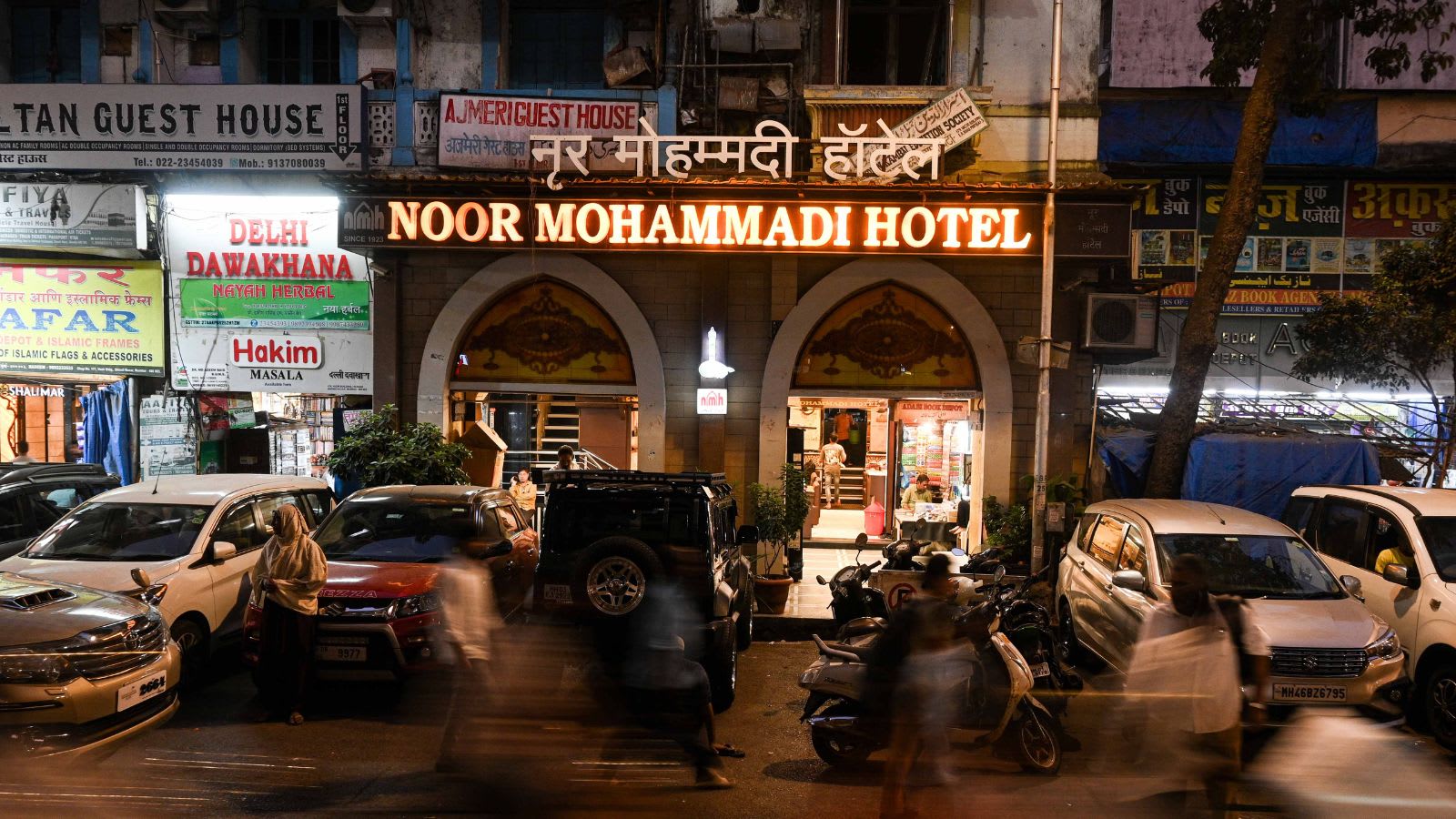
The Maharashtra Food and Drug Administration (FDA) has suspended the food business licenses of two of Mumbai's most legendary eateries, Noor Mohammadi and Shalimar, following allegations of significant hygiene lapses. This regulatory action follows a similar move against the famous K Rustom bakery, signaling a stricter approach toward food safety standards in the city's legacy establishments.
Regulatory Crackdown on Mumbai's Culinary Icons
In a move that has sent shockwaves through the gastronomic landscape of South Mumbai, the Maharashtra Food and Drug Administration (FDA) has suspended the food business licenses of two legendary establishments: Noor Mohammadi and Shalimar. These eateries, particularly Noor Mohammadi in Bhendi Bazaar, are not merely restaurants but cultural landmarks that have served generations of Mumbaikars. The suspension comes in the wake of alleged hygiene lapses, marking a period of intensified scrutiny by health authorities over the city's most storied dining institutions.
The Scope of the FDA Action
The current enforcement action is part of a broader pattern of regulatory vigilance. The suspension of licenses for Noor Mohammadi and Shalimar follows a similar crackdown on the iconic K Rustom, a bakery known for its historic Maska Khari. By targeting these high-profile legacy establishments, the FDA is sending a clear signal that institutional prestige and historical significance do not grant immunity from public health regulations. The alleged hygiene lapses suggest a failure to maintain the stringent standards required by the Food Safety and Standards Act, prompting the state to halt operations until corrective measures are implemented.
The Conflict Between Heritage and Hygiene
This event highlights a recurring tension in urban centers like Mumbai: the struggle to reconcile heritage infrastructure with modern sanitary requirements. Many of these iconic eateries operate out of century-old buildings in densely packed areas like Bhendi Bazaar, where upgrading plumbing, ventilation, and kitchen layouts can be structurally challenging and prohibitively expensive. While loyal patrons often overlook a 'rustic' atmosphere in favor of authentic taste, the FDA's mandate is based on objective health metrics. The transition from traditional, family-run operations to standardized, compliant commercial entities is a hurdle many legacy businesses are currently failing to clear.
Broader Implications for the F&B Sector
Beyond the immediate impact on these two restaurants, this crackdown suggests a systemic shift in how the Maharashtra FDA approaches food safety. For decades, many legacy spots operated under a 'grandfathered' perception of quality, where their longevity was seen as a proxy for safety. However, as consumer awareness regarding food-borne illnesses rises and the government pushes for stricter adherence to FSSAI (Food Safety and Standards Authority of India) guidelines, the margin for error has vanished. Other historic establishments across Mumbai are now likely to undergo rigorous audits, forcing a wave of renovations and process overhauls across the city's old-world dining sector.
Predicting Future Trends in Food Regulation
Looking forward, it is probable that we will see a rise in 'compliance-driven renovations' among Mumbai's heritage eateries. To avoid permanent closure, these establishments will need to invest in modern food storage, waste management, and staff hygiene training. We may also see the emergence of more frequent, unannounced 'spot checks' rather than scheduled inspections. If these iconic spots are to survive, they must evolve their backend operations to match the prestige of their frontend brand. The survival of Noor Mohammadi and Shalimar will depend on their ability to modernize without losing the soul of their culinary offerings.
Conclusion
The suspension of licenses for Noor Mohammadi and Shalimar serves as a stark reminder that public health is non-negotiable. While the loss of these culinary landmarks—even temporarily—is a blow to the city's cultural fabric, the move is a necessary step toward ensuring a safer dining environment for all. The resolution of this crisis will likely serve as a blueprint for how other legacy businesses in India balance the preservation of tradition with the imperatives of modern health and safety standards.