Saibaba event: Another former TISS student gets Mumbai Police notice
Source Entity
Sadaf Modak
Mumbai Police have issued a notice to another former TISS student regarding a 2025 gathering held for G.N. Saibaba. This follows the recent bail granted to a previous student arrested in connection with the same FIR.
TISS Campus Controversy: Legal Developments in the G.N. Saibaba Case
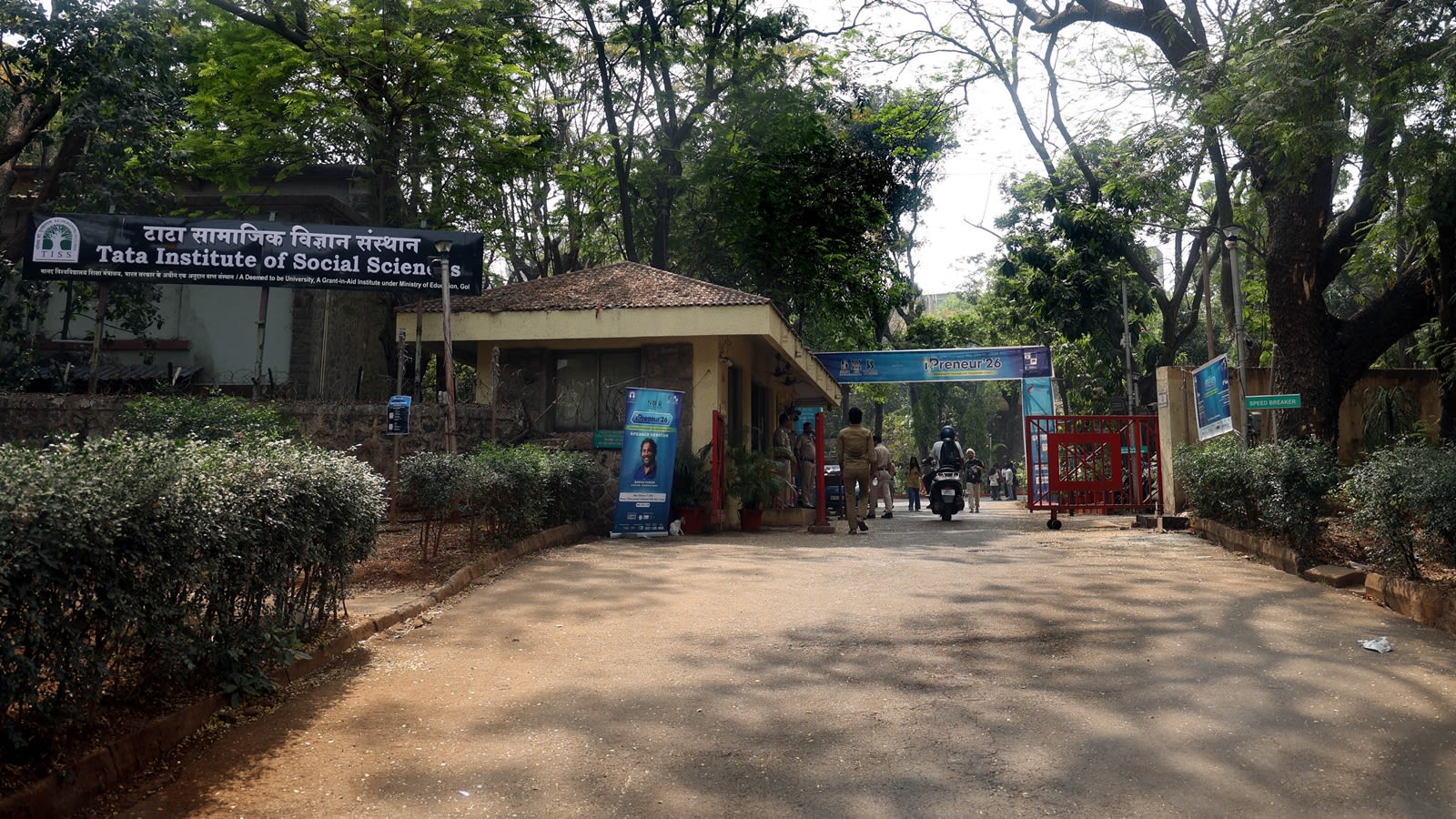
The Mumbai Police investigation into a gathering held at the Tata Institute of Social Sciences (TISS) Deonar campus has entered a new phase. Authorities recently issued a formal notice to another former student, compelling their presence for interrogation regarding an event held on October 12, 2025, which marked the death anniversary of former Delhi University professor G.N. Saibaba.
Contextualizing the Legal Proceedings
This development occurs shortly after a magistrate court granted bail to a 30-year-old former TISS student on September 10. That individual had been arrested over a month prior for his alleged involvement in the same gathering. The issuance of a notice to a previously unnamed individual suggests that law enforcement is broadening the scope of its investigation into the participants of the event, signaling a persistent interest in the activities surrounding the commemoration.
The FIR and Investigative Scope
The investigation is centered on an FIR filed nearly a year ago. By targeting individuals not explicitly named in the initial documentation, the police are utilizing their investigative powers to map out the organizational structure and attendance of the assembly. This tactic is common in cases where authorities aim to determine the extent of involvement or potential violations of public order regulations during sensitive academic gatherings.
Implications for Campus Discourse
TISS has long been a hub for critical social discourse in India. However, the intersection of campus activism and legal scrutiny creates a challenging environment for student organizations. When gatherings commemorating controversial or high-profile public figures lead to prolonged police investigations, it often triggers a wider debate regarding the boundaries of freedom of expression and the role of police oversight within academic institutions.
Future Trends and Judicial Oversight
As the investigation continues, the judicial system will play a pivotal role in balancing the state's interest in maintaining law and order with the fundamental rights of the individuals involved. The granting of bail to the first suspect indicates that the courts are scrutinizing the necessity of pre-trial detention, setting a precedent that will likely influence how the police handle the remaining subjects of the FIR.
Conclusion
The ongoing legal activity regarding the TISS Deonar campus event highlights the complexities of monitoring political commemorations in an academic setting. With new notices being issued, the case remains active, and the focus will likely shift to how these interrogations influence the broader legal landscape for students and activists involved in campus-based protests or memorial events.