Mumbai-Pune take a walk on the wild side
Source Entity
Latest News: Todays Latest News Headlines from India & World | Hindustan Times
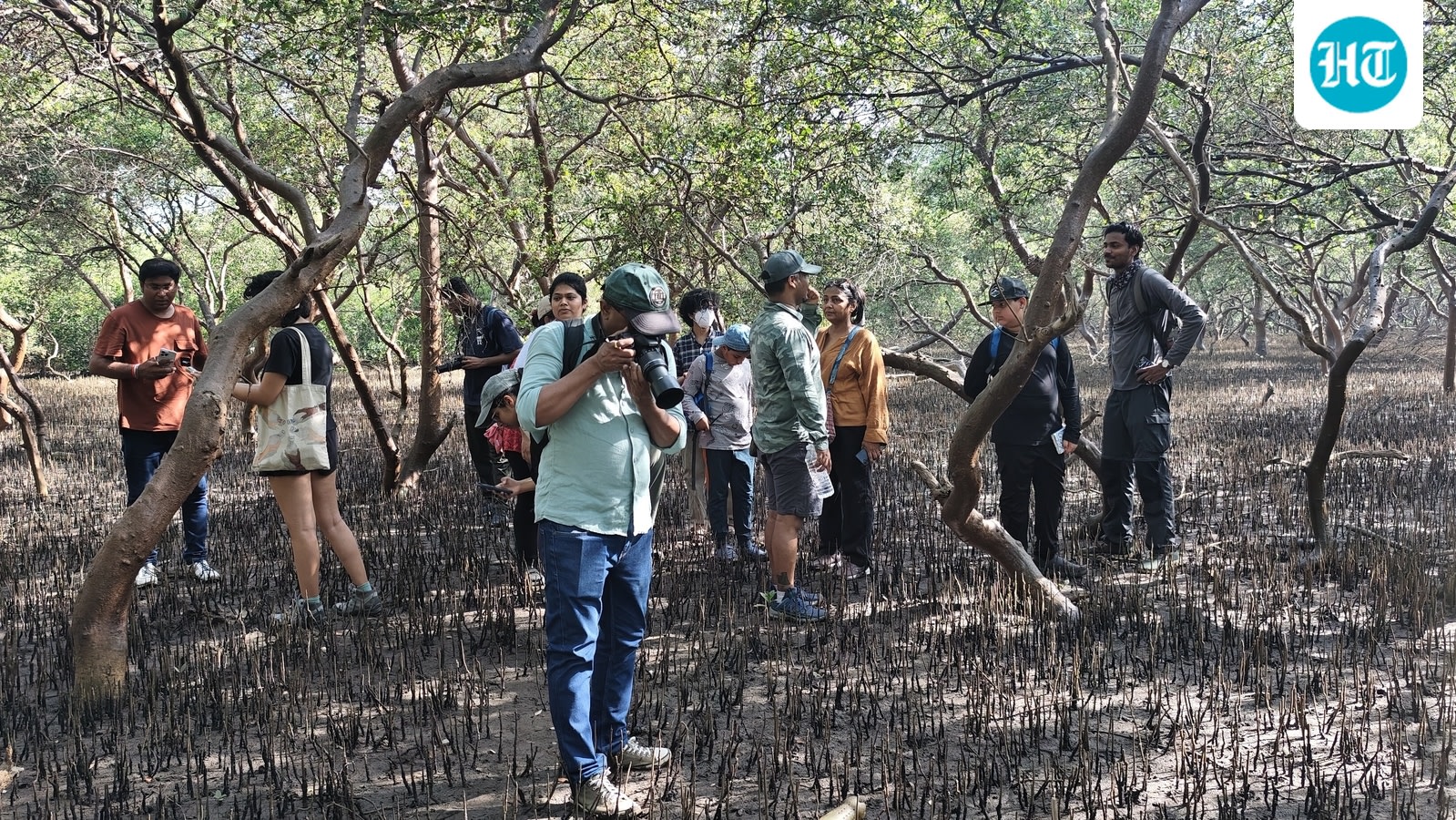
Residents in Mumbai and Pune are increasingly turning to nature walks to combat rising pollution and urban stress. This growing trend reflects a deeper shift toward environmental consciousness and the therapeutic benefits of reconnecting with local biodiversity.
The Resurgence of Nature in the Urban Jungle
As the sprawling metropolitan corridors of Mumbai and Pune face the dual challenges of rapid urbanization and declining air quality, a compelling trend has emerged: a collective pivot toward nature. Citizens, weary of the concrete-dominated landscape and fluctuating Air Quality Index (AQI) levels, are increasingly participating in organized nature walks. This movement represents more than just recreational activity; it is a response to the environmental pressures that have historically characterized these two major Indian economic hubs.
The Impact of Urbanization on Green Spaces
Infrastructure development and massive redevelopment projects have significantly encroached upon the natural buffer zones that once defined the peripheries of Mumbai and Pune. The loss of mangroves and green canopy has exacerbated heat island effects and air pollution, prompting a psychological and physical need for respite. By stepping away from digital screens and climate-controlled indoor environments, residents are reclaiming their relationship with the city’s lesser-known natural habitats, including coastal ecosystems and hillside biodiversity.
Nature as a Therapeutic Necessity
Experts like Mooskan Shah, a Counselling Psychologist and Nature Therapy Facilitator, highlight that this shift is deeply rooted in the need for mental restoration. Nature therapy, an experiential approach, leverages the human-nature connection to alleviate the stresses of modern urban life. The therapeutic value of these walks lies in their ability to ground participants, providing a sensory reprieve from the high-decibel, high-pollution environments that define contemporary life in these cities.
Cultivating an Environmentally Conscious Citizenry
Beyond personal mental health, these nature walks are acting as catalysts for civic engagement. By exposing residents to the fragility of local ecosystems, these programs are fostering a more environmentally conscious citizenry. When people witness firsthand the biodiversity—or the degradation—of their local mangroves and forests, they are more likely to advocate for sustainable urban planning and the protection of remaining green pockets.
Future Trends in Urban Ecology
Looking ahead, the popularity of these walks suggests a growing demand for 'green infrastructure' that integrates natural spaces into the urban blueprint. As more citizens prioritize air quality and access to nature, urban planners in Mumbai and Pune may face increased pressure to preserve biodiversity as a public health imperative. This trend marks a critical turning point where the appreciation of nature is no longer a luxury, but a fundamental requirement for sustainable urban living in India's most congested regions.
Verification Required?