1,856 trees fell, 3 died in 11 days: Why India’s richest civic body can’t predict the next collapse
Source Entity
Pratip Acharya
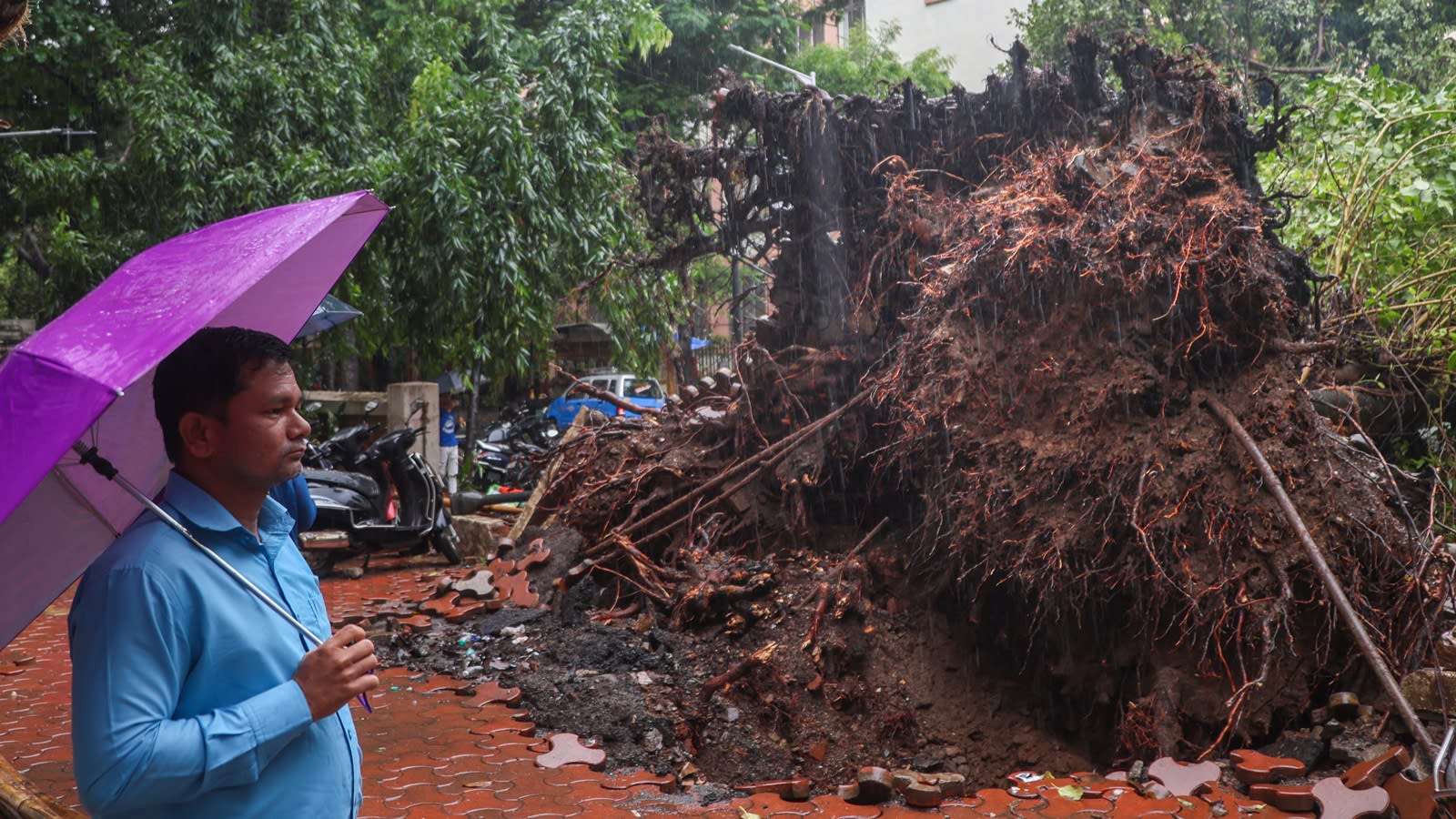
Three people died and more than 12 were injured after 1,856 trees collapsed across Mumbai between June 30 and July 10, an average of more than seven every hour during one of the city’s most destructiv...
Urban Fragility: Analyzing the Massive Tree Collapses in Mumbai
Between June 30 and July 10, the city of Mumbai experienced a catastrophic series of tree collapses that underscore a critical failure in urban forestry management. With 1,856 trees falling in just 11 days—an alarming average of more than seven every single hour—the city's infrastructure was pushed to its limits. This event resulted in three fatalities and more than a dozen injuries, transforming the city's green cover from a climate asset into a public safety hazard. The scale of this collapse is not merely a natural disaster but a systemic failure of civic oversight.
The Paradox of the "Richest Civic Body"
One of the most striking aspects of this crisis is the role of the Brihanmumbai Municipal Corporation (BMC). As India's wealthiest civic body, the BMC possesses a budget that dwarfs most other municipal corporations in the country. However, the sheer volume of fallen trees suggests a profound gap between financial capability and operational execution. The inability to predict these collapses points to a lack of scientific auditing of the city's tree health. While funds are available, the failure to implement a rigorous, data-driven pruning and monitoring schedule reveals a reliance on reactive measures rather than proactive risk mitigation.
Environmental Pressures and Climate Volatility
To understand why 1,856 trees collapsed, one must look at the intersection of urban density and changing weather patterns. Mumbai's monsoons have become increasingly erratic, characterized by high-intensity rainfall bursts and stronger wind gusts. These conditions place immense stress on urban trees, many of which are planted in confined spaces with poor soil quality and inadequate root room due to concrete encroachment. When saturated soil meets high-velocity winds, trees with compromised root systems or decayed trunks—which should have been identified during pre-monsoon audits—become lethal projectiles.
The Human Cost and Institutional Accountability
Beyond the statistics, the human cost of this failure is significant. The three deaths and numerous injuries highlight the vulnerability of pedestrians and motorists during the monsoon season. This tragedy raises urgent questions about institutional accountability. When a civic body fails to ensure the stability of urban greenery, it is not just a failure of gardening but a failure of public safety. The recurring nature of these incidents suggests that the 'pre-monsoon trimming' exercises conducted by the BMC may be superficial, focusing on aesthetic clearing rather than structural integrity assessments.
Future Trends: Toward a Digital Tree Census
Looking forward, Mumbai must move away from manual, haphazard tree management toward a tech-enabled approach. The implementation of a comprehensive digital tree census, utilizing GIS (Geographic Information System) mapping and AI-driven health assessments, could allow the BMC to categorize trees by risk level. By integrating soil moisture sensors and wind-load analysis, the city could potentially predict which species and specific locations are most prone to collapse. Transitioning to a scientific urban forestry model is the only way to prevent the green cover from becoming a liability during every monsoon cycle.
Summary of Findings
The collapse of nearly 1,900 trees in less than two weeks is a wake-up call for urban planning in India's financial capital. It exposes a dangerous disconnect between the BMC's financial wealth and its capacity for disaster prevention. While climate change increases the frequency of extreme weather, the responsibility lies with the civic administration to evolve its maintenance strategies. Without a shift toward scientific auditing and transparent accountability, Mumbai remains trapped in a cycle of seasonal tragedy.