Bowen: Myanmar genocide verdict is historic and could have far-reaching implications
Source Entity
BBC News
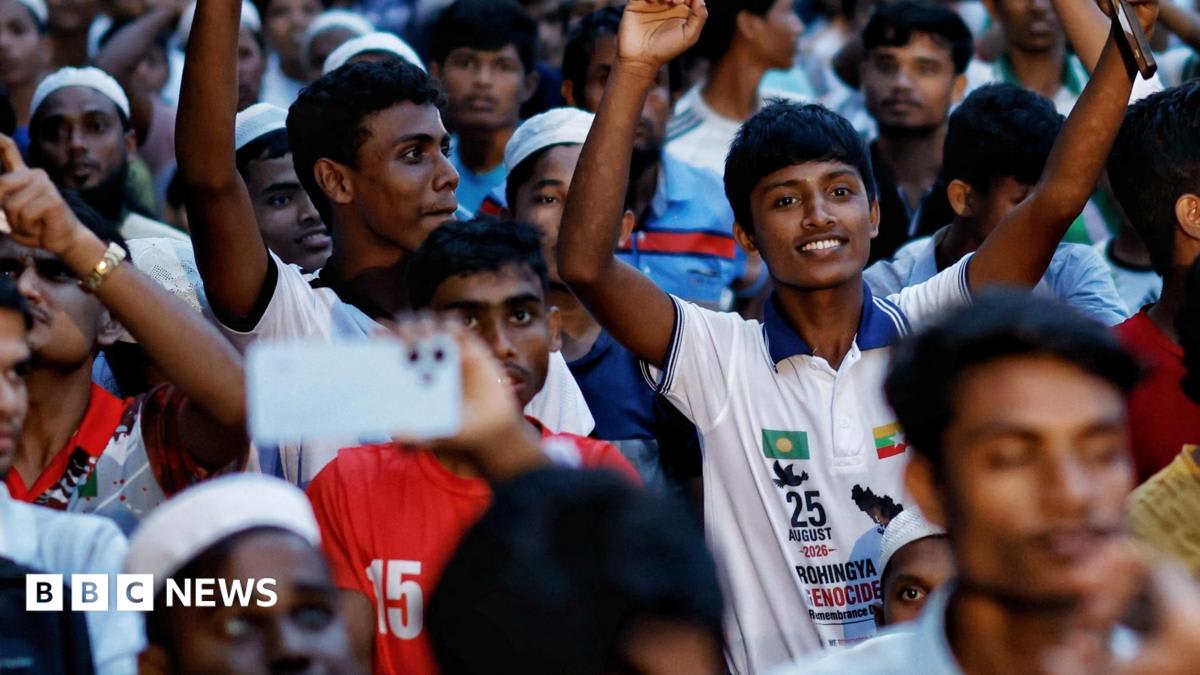
The International Court of Justice has issued a historic ruling, finding Myanmar's security forces responsible for state-sponsored genocide against the Rohingya. This landmark decision marks the first time an international court has held a state accountable for the crime of genocide.
A Historic Legal Precedent at the ICJ
In a landmark decision that will reverberate through the halls of international law, the International Court of Justice (ICJ) has ruled that Myanmar’s security forces committed genocide against the Rohingya Muslim minority. The ruling, delivered by presiding Judge Yuji Iwasawa, confirms that the widespread violence, including thousands of civilian killings and systematic sexual violence perpetrated in 2017, met the rigorous legal threshold required to constitute state-sponsored genocide.
The Significance of State Accountability
While international tribunals have previously prosecuted individuals for genocide—most notably in the wake of the Rwandan and Yugoslavian conflicts—this ruling marks a significant departure from historical precedent. For the first time since the 1948 Genocide Convention was enacted, a sovereign state has been held directly responsible for these atrocities. This shifts the focus from individual culpability to state liability, challenging the traditional impunity often enjoyed by national governments.
The Journey to Justice: The Gambia's Role
This outcome follows a seven-year legal battle initiated by The Gambia. Despite the geographical distance and the lack of direct involvement in the conflict, The Gambia pursued the case to uphold the integrity of the 1948 Genocide Convention. As noted by lead counsel Arsalan Suleman, this victory provides renewed vitality to the convention, reinforcing the global expectation that sovereign states cannot hide behind borders when violating fundamental human rights.
Analyzing the 2017 Atrocities
The court’s findings were explicit regarding the nature of the violence. The ruling detailed that Myanmar’s security forces not only targeted adult civilians but also committed extreme acts of violence against children and intercepted fleeing populations. By documenting these actions as part of a broader, state-sponsored campaign, the ICJ has provided a definitive legal account of the 2017 humanitarian crisis that forced hundreds of thousands of Rohingya to flee their homes.
Broader Implications for International Law
This verdict serves as a critical deterrent and a tool for future international accountability. By successfully navigating the complexities of proving intent and state action, the ICJ has lowered the barrier for future victims to seek justice. The precedent set here suggests that international law is evolving to be more robust in addressing state-led persecution, potentially changing how future conflicts are monitored and adjudicated by global bodies.
A Path Toward Future Trends
Looking ahead, this ruling will likely trigger increased pressure on Myanmar from the international community regarding sanctions, diplomatic isolation, and potential reparations for the Rohingya population. While enforcement of ICJ rulings remains a perennial challenge in the absence of an international police force, the moral and legal weight of this decision is profound. It sends a clear message that the international community is committed to the accountability mechanisms established after the Nazi Holocaust, ensuring that the term 'genocide' retains its legal teeth.
Multiple Citing Sources