Trump to meet North Korea's Kim Jong-Un ‘at some point' after historic 3-way talks with Putin and Xi
Source Entity
Latest News: Todays Latest News Headlines from India & World | Hindustan Times
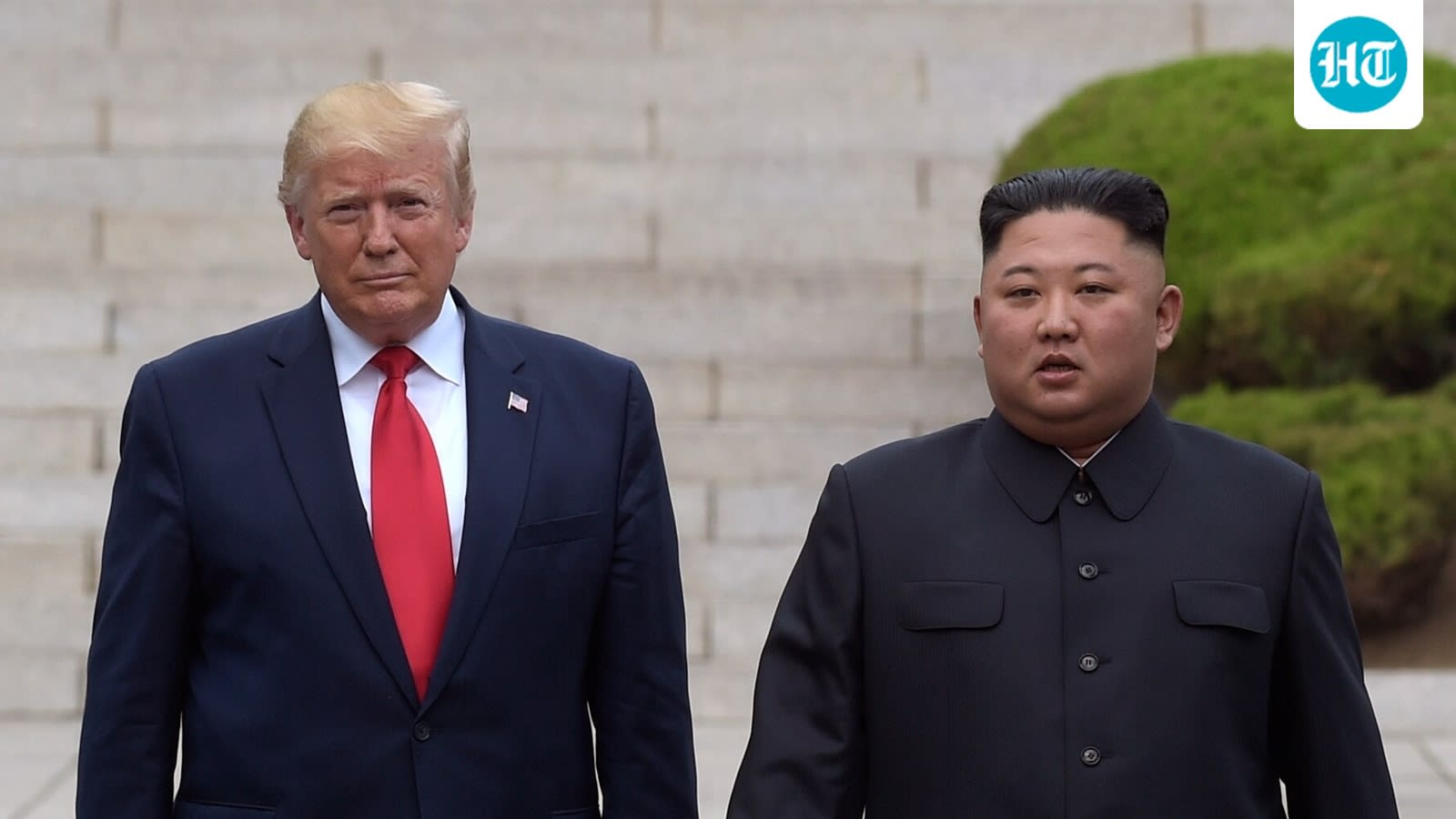
US President Donald Trump, Xi Jinping, and Vladimir Putin are convening in Shenzhen during the APEC summit to address nuclear arms control and ongoing global conflicts. The high-stakes meeting aims to navigate complex trade disputes, technological rivalries, and the impact of the Ukraine and Iran wars.
The Shenzhen Summit: A New Geopolitical Triad
The gathering of US President Donald Trump, Chinese President Xi Jinping, and Russian President Vladimir Putin in Shenzhen marks a pivotal moment in 21st-century diplomacy. Occurring alongside the APEC Economic Leaders Summit, this trilateral engagement seeks to address the most volatile aspects of the current global order. By bringing together the world's three most influential nuclear powers, the meeting attempts to establish a framework for stability in an era defined by multipolar competition and systemic friction.
The Nuclear Imperative
At the core of the agenda is the urgent need for nuclear arms control. President Trump has identified the initiation of three-way talks as a primary objective, recognizing that the current landscape of nuclear proliferation is unsustainable. As Russia and the United States remain the largest nuclear powers, the inclusion of China is essential for any modern arms limitation treaty, given Beijing's expanding capabilities. The success of these talks will determine whether the international community can avoid a new, more dangerous iteration of the Cold War arms race.
Navigating Regional Conflicts
Beyond nuclear security, the leaders are tasked with addressing two major ongoing conflicts: the war in Ukraine and the nine-month-old war involving Iran. These conflicts have exerted significant pressure on global energy markets and international security architectures. The involvement of these three specific leaders suggests a search for a high-level diplomatic resolution that has remained elusive in multilateral forums. Negotiating an end to these wars requires a delicate balancing act of personal rapport and divergent strategic national interests.
Economic and Technological Rivalry
Compounding these security concerns are the deep-seated trade tensions and the accelerating race for technological supremacy. The context of the meeting includes Washington’s scrutiny of Nvidia’s chip sales to China and broader friction regarding AI development. These tech rivalries are no longer isolated economic issues; they are now inextricably linked to national security and global influence. The Shenzhen summit serves as a venue to address these friction points, which have been exacerbated by shifting trade policies and regional escalations, such as the rising tensions between China and Japan.
Historical Parallels and Future Trends
Many observers are drawing parallels to the Yalta Conference, questioning if this meeting will similarly reshape the global order. While the world is vastly different from the post-WWII era, the necessity for a 'Yalta 2.0' stems from the realization that current institutions are struggling to manage modern geopolitical volatility. The future of global diplomacy depends on whether these leaders can prioritize collective stability over zero-sum competition. If successful, this summit could serve as a foundational moment for a new, albeit fragile, international consensus.
Conclusion
As the world watches Shenzhen, the implications of this summit extend far beyond the immediate discussions. Whether the leaders can successfully navigate the intersection of nuclear proliferation, regional warfare, and technological decoupling will likely define the trajectory of international relations for the coming decade. The ability of the US, China, and Russia to find common ground will be the ultimate test of 21st-century statecraft.
Multiple Citing Sources
Verification Required?