'I sincerely apologise': BCI chief to law students after row over NALSAR diktat
Source Entity
MANVI VYAS
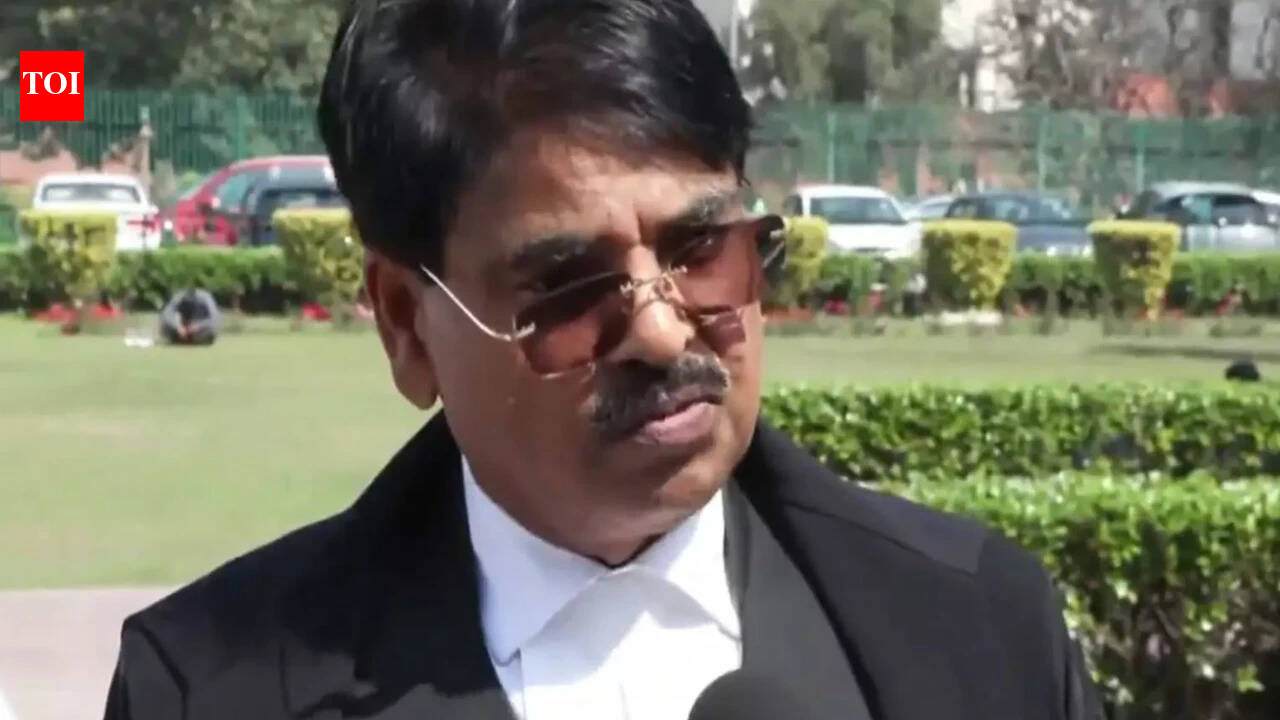
The Supreme Court of India is reviewing a controversial Bar Council of India directive that attempted to bar NALSAR students from legal practice for protesting a convocation guest. The order was retracted following internal BCI dissent and judicial scrutiny over the fundamental right to protest.
The NALSAR-BCI Standoff: A Crisis of Institutional Overreach
The recent controversy involving the Bar Council of India (BCI) and the 2026 graduating batch of NALSAR University of Law, Hyderabad, serves as a stark reminder of the delicate balance between professional regulatory authority and the fundamental rights of students. The dispute began when the BCI Chairman issued a directive effectively attempting to block these students from enrolling with state bar councils, citing their protest regarding the invitation of the Chief Justice of India to their convocation as an act requiring disciplinary inquiry. This move was met with immediate, widespread condemnation for its heavy-handed nature.
The Anatomy of an Institutional Walk-back
The BCI's directive was characterized by significant internal instability. Within a mere six-hour window, the order was rolled back twice. Reports indicate that at least four of the 19 BCI office bearers actively resisted the Chairman’s unilateral decision, with three opposing it outright. This internal friction highlights a troubling trend of executive overreach, where the personal discretion of a leadership figure appears to have bypassed the collective governance expected of a statutory body tasked with regulating legal education and the profession.
Judicial Intervention and Constitutional Protections
The Supreme Court has stepped in, demanding that the BCI explain the specific process—or lack thereof—that led to these draconian resolutions. Justice Surya Kant emphasized the non-negotiable nature of the right to peaceful protest, noting that such expressions are protected under the fundamental right to freedom of speech and expression. By seeking clarity on the BCI’s internal decision-making, the apex court is signaling that professional bodies are not immune to constitutional scrutiny when they attempt to penalize dissent.
The Role of Academic Autonomy
Beyond the BCI, the role of NALSAR’s administration was pivotal. The Vice Chancellor correctly identified the directive as potentially unconstitutional, refusing to implement the immediate debarment of students. This resistance underscores the importance of academic independence; universities must remain spaces where students are free to question authority, including the invitation of high-profile guests, without the fear of state-sanctioned professional blacklisting.
Broader Implications for Legal Education
This incident raises profound questions about the future of legal education in India. When a regulatory body attempts to weaponize its power to silence student discourse, it risks chilling the very intellectual curiosity that the legal profession depends upon. The BCI’s apparent failure to follow due process, coupled with its attempts to overreach into the disciplinary affairs of a university, suggests a need for systemic reforms in how these bodies exercise their authority.
Future Trends and Concluding Thoughts
As the Supreme Court continues to examine the BCI’s actions, the legal community remains watchful. This event likely marks a turning point where the limits of the Bar Council’s power will be more strictly defined by the judiciary. Moving forward, regulatory bodies will face increased pressure to ensure their mandates align with constitutional values, ensuring that the next generation of lawyers is not discouraged from holding institutions accountable.
Multiple Citing Sources