‘We’re inspired by western culture’: Nani tells women to return to braids, faces backlash
Source Entity
The Indian Express
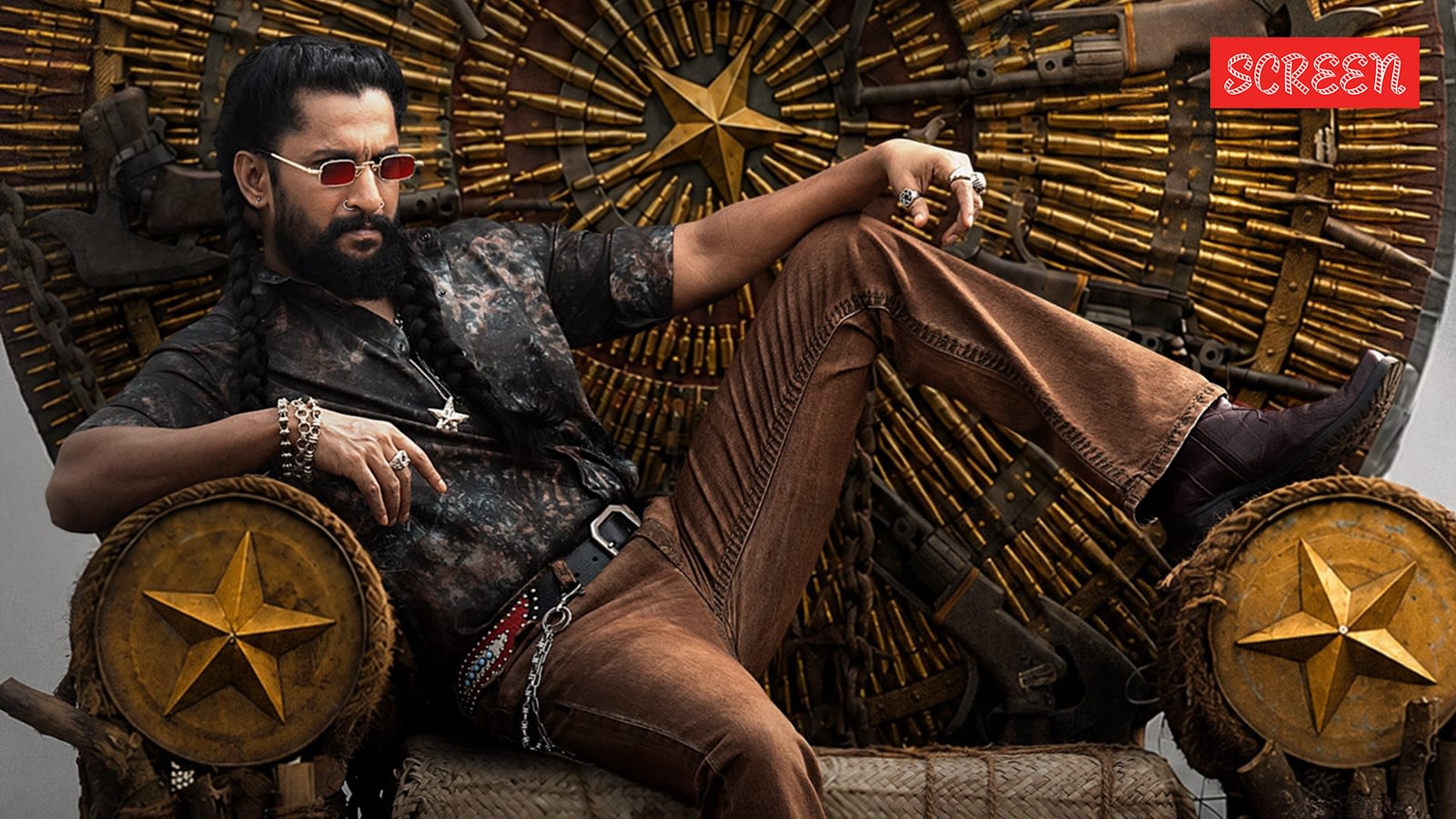
Actor Nani faced social media backlash after suggesting women return to wearing braided hairstyles to promote his upcoming film. His comments, framed as an appreciation of traditional aesthetics, sparked a broader debate on gender norms and unsolicited advice.
The Intersection of Celebrity Influence and Gender Norms
Actor Nani, currently promoting his upcoming film The Paradise, has found himself at the center of a social media firestorm following comments made during a press event in Bengaluru. While discussing his character 'Jadal,' who features a distinct braided hairstyle, Nani suggested that women should return to the tradition of braiding their hair, asserting that they look "beautiful" when doing so. This remark, while intended as a fashion-forward observation, has ignited a significant backlash regarding the appropriateness of male celebrities prescribing beauty standards for women.
Contextualizing the 'Jadal' Aesthetic
The actor's comments were framed within the context of his latest project, where he adopts a specific look that challenges conventional masculine tropes in cinema. By suggesting that women adopt a style he is currently popularizing, Nani inadvertently waded into a sensitive discourse concerning bodily autonomy. The incident highlights how celebrity marketing, often designed to create buzz for a film, can easily veer into controversial territory when it touches upon the personal choices of the audience, particularly regarding gendered appearance.
The Backlash: A Reflection of Modern Sensibilities
The criticism directed at Nani stems from a growing cultural intolerance for unsolicited advice on women's appearance. Critics argue that regardless of the actor's intent, the suggestion that women have "stopped" a practice and "should" resume it carries an undertone of patriarchal expectation. In an era where personal expression is increasingly decoupled from traditional gender roles, the directive to return to a specific hairstyle is viewed by many as an outdated imposition, regardless of the aesthetic appeal the actor finds in the style.
Gendered Habits and the Role of Media
Interestingly, the conversation originated from a journalist’s inquiry about men adopting habits typically associated with women. Nani’s attempt to pivot the conversation by encouraging women to mirror his own stylistic choice indicates a struggle to navigate the evolving landscape of gender-neutral fashion. This interaction serves as a case study for how public figures often struggle to balance character promotion with the nuanced realities of modern social discourse.
Broader Implications for Celebrity PR
This incident underscores the high-stakes environment of film promotion, where every statement is scrutinized through the lens of social media. As actors increasingly influence fashion trends, the line between stylistic inspiration and prescriptive commentary becomes blurred. The backlash against Nani serves as a reminder that audiences today are highly sensitive to gendered rhetoric, and that public figures must tread carefully when making generalizations about the choices and behaviors of specific demographics.
Conclusion
Ultimately, while Nani's comments were likely born of a desire to promote his film's unique aesthetic, the resulting controversy demonstrates the rapid shift in public expectations. The incident serves as a pertinent example of how celebrity influence is checked by a vigilant online community that prioritizes personal autonomy over aesthetic trends. As The Paradise approaches its September 24 release, the focus has shifted from the film's artistic merits to a broader debate on the social responsibilities of stars in the public eye.