Naseer Hussain compares Sehwag to Saim Ayub: ‘Disrespect and disregard for Test match cricket’
Source Entity
The Indian Express
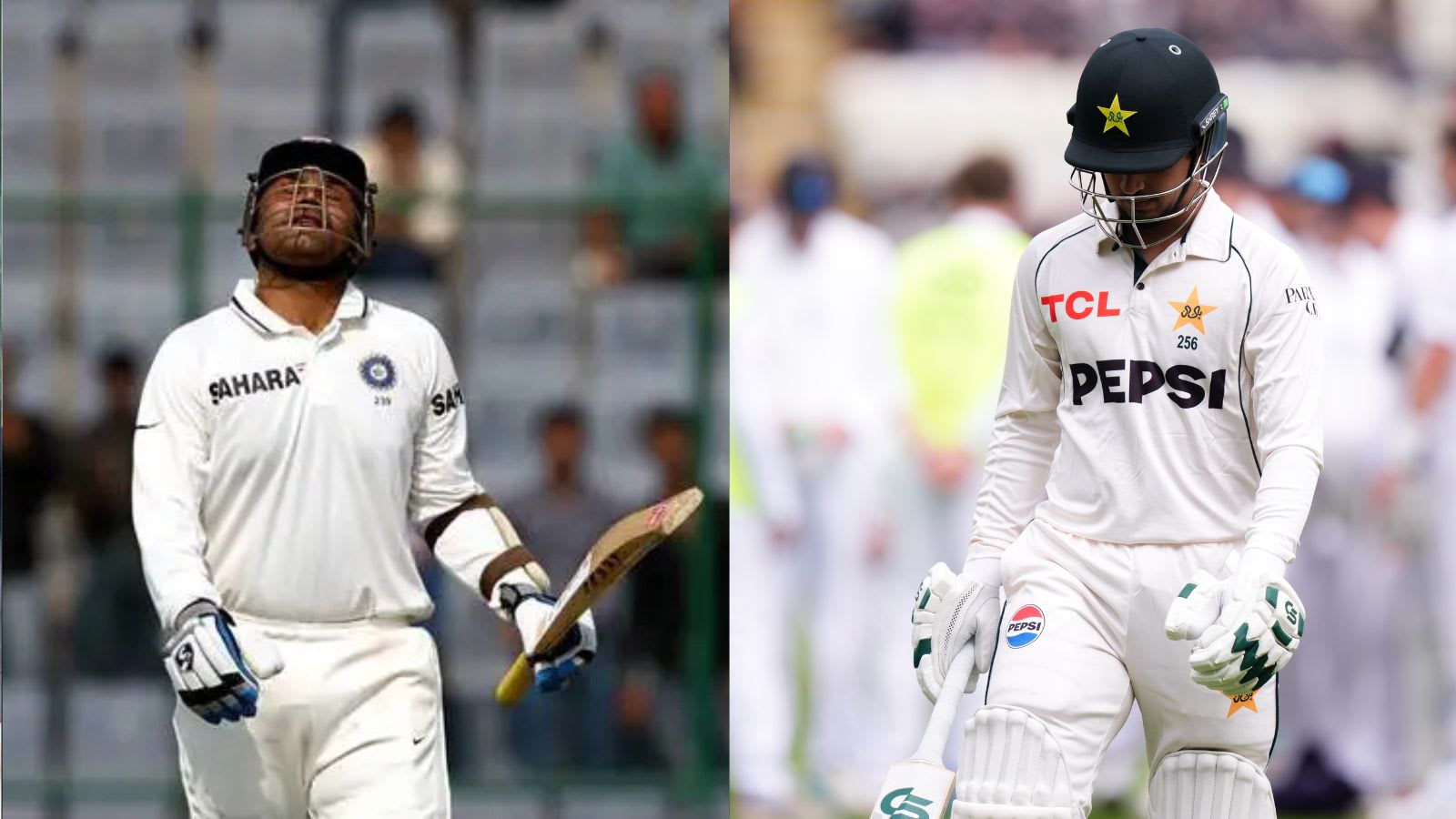
Former England captain Nasser Hussain has criticized the Pakistan Cricket Board for selecting Saim Ayub for the third Test against England. Hussain argued that bringing players directly from T20 leagues like the CPL into Test cricket without first-class preparation is disrespectful to the format.
The Crisis of Selection: Analyzing the Saim Ayub Controversy
The recent performance of Saim Ayub in the third Test against England at Edgbaston has ignited a firestorm of criticism regarding the selection policies of the Pakistan Cricket Board (PCB). Ayub’s return to the Test side proved disastrous, as the opening batter was dismissed for a duck in both innings, facing a mere 11 balls across the entire match. His dismissal by England pacer Ollie Robinson on both occasions highlighted a glaring lack of technical preparation for the rigors of Test cricket.
The 'Paratrooping' Problem
Former England captain Nasser Hussain has been vocal in his condemnation of the PCB’s decision-making, characterizing the inclusion of Ayub as a form of "disrespect" to the traditional format. Hussain’s primary grievance lies in the methodology of the selection: Ayub was drafted into the Test squad directly from the Caribbean Premier League (CPL), a T20 tournament, without having played first-class cricket for an extended period. This "paratrooping" approach suggests a disconnect between the requirements of international red-ball cricket and the current selection strategy.
Historical Parallels and Strategic Failures
To contextualize the severity of this selection error, Hussain drew a direct comparison to the 2011 series where India brought Virender Sehwag into the squad mid-series at the same Edgbaston venue. Much like Ayub, Sehwag fell for a pair, illustrating that even legendary players struggle when thrust into high-stakes Test environments without proper acclimatization or recent red-ball form. By invoking this historical failure, Hussain underscored that the PCB’s attempts to find "quick solutions" to their ongoing slump have only exacerbated the team’s instability.
Structural Instability in Pakistan Cricket
Under the leadership of the Mohsin Naqvi-led board, the PCB has attempted to revitalize the squad by replacing seven players following a demoralizing loss at Lord's. However, the results have remained stagnant. The fact that the team faced the prospect of losing the third Test inside three days serves as a grim indicator that personnel changes alone cannot mask deeper structural issues. The reliance on form from shorter formats, such as the CPL, to justify Test selections indicates a fundamental misunderstanding of the patience and technique required for the five-day game.
Broader Implications for Test Cricket
This incident serves as a cautionary tale for cricket boards worldwide regarding the encroachment of T20 league culture into the Test arena. When boards prioritize players based on flashiness in shorter formats rather than sustained performance in domestic first-class structures, the integrity and competitiveness of Test cricket are compromised. For Pakistan, the path forward requires a return to domestic stability rather than reactionary squad rotations.
Conclusion: A Call for Reform
Ultimately, the Saim Ayub situation is a symptom of a larger malaise within Pakistan cricket. Unless the PCB shifts its focus toward fostering players through consistent red-ball experience rather than relying on rapid, league-based call-ups, the team will continue to struggle against top-tier opposition. Nasser Hussain’s critique is not merely about one player’s failure, but a necessary challenge to a selection philosophy that currently threatens the standard of Test cricket in Pakistan.
Multiple Citing Sources