Who is Natalie Reynolds? Influencer claims Mike Myers' 'soul' trapped in $25K Cat in Hat costume
Source Entity
Latest News: Todays Latest News Headlines from India & World | Hindustan Times | Hindustan Times
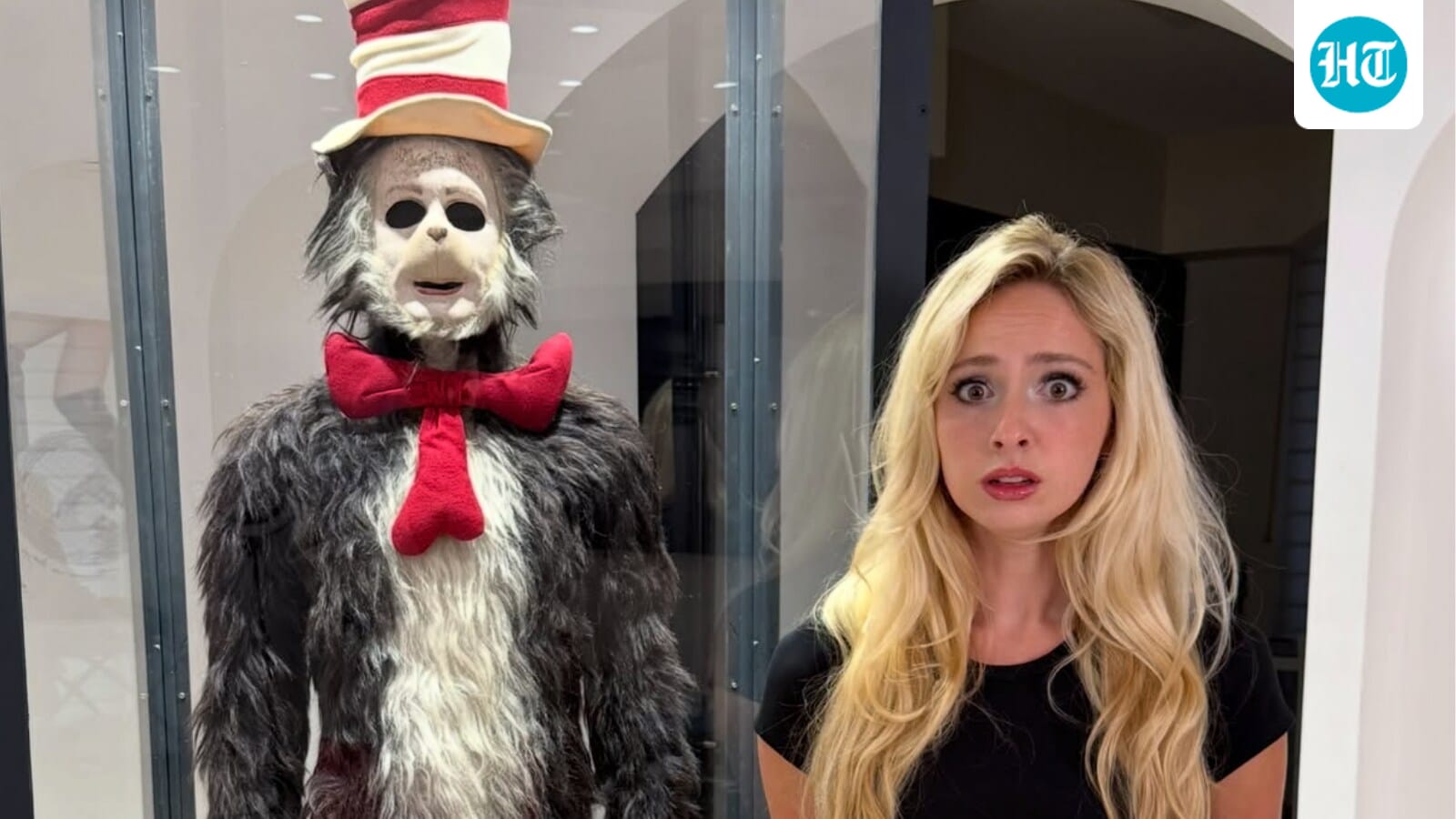
Influencer Natalie Reynolds has sparked viral speculation by claiming a $25,000 screen-used Cat in the Hat costume is haunted by actor Mike Myers. Despite the actor being alive and the lack of evidence, the story highlights the intersection of celebrity memorabilia and online content creation.
The Intersection of Celebrity Memorabilia and Digital Folklore
In a recent development that blurs the lines between pop culture collecting and viral social media trends, influencer and Kick streamer Natalie Reynolds has claimed that a screen-used costume from the 2003 film The Cat in the Hat is haunted. The costume, which features a synthetic-fur Spandex suit, a rubber mask, and the iconic hat, was acquired by Reynolds for $25,000 via Propstore’s 2026 Los Angeles Summer auction. While the item is a verified piece of cinematic history, the supernatural narrative surrounding it remains entirely unsubstantiated.
The Provenance of the Prop
Propstore, a reputable entity in the world of film memorabilia, listed the item as 'Lot 76' with an estimated valuation between $12,000 and $24,000. The item’s physical condition—noted as having grime on the mask and matted hair—is consistent with high-use film props. The suit is marked 'Mike Myers #1,' confirming its status as a garment worn by the actor during the production of the film. However, the transition of this prop from a studio archive to a private collection has been overshadowed by the influencer's claims regarding its alleged spiritual state.
The Mechanics of Online Myth-Making
Reynolds has utilized her platform to amplify the claim that the spirit of Mike Myers is 'trapped' within the costume. This assertion persists despite the objective reality that the actor is alive and well. By referencing warnings from a previous owner about avoiding eye contact with the mask and documenting 'strange signs' after placing the item in a glass display case, Reynolds has successfully leveraged the horror-entertainment subgenre to drive engagement on her streaming channels.
Historical Context of Haunted Memorabilia
This phenomenon is not entirely new; there is a long-standing history of 'cursed' or haunted objects in the auction world, often used to inflate the allure of items that might otherwise be seen as simple kitsch. By injecting a narrative of the supernatural into the sale, the owner transforms a static piece of synthetic fabric and rubber into a dynamic, interactive experience for their audience. The story serves as a case study in how modern influencers can rebrand mundane physical assets into viral content through storytelling.
Implications and Future Trends
As high-end film props continue to rise in value, the trend of 'story-driven' ownership is likely to increase. Collectors and influencers are finding that a piece of memorabilia is worth more when it comes with a compelling, even if fictional, narrative. While the claims regarding the costume are clearly not based in physical evidence, they highlight a shift in how digital creators interact with legacy media, treating physical objects as vessels for digital performance art rather than mere historical artifacts.
Conclusion
Ultimately, Natalie Reynolds' claim remains a piece of internet performance rather than a factual event. While the Cat in the Hat costume is a legitimate piece of Hollywood history with a verifiable provenance, the suggestion that it contains the soul of a living actor is a testament to the power of social media to manufacture intrigue. As the auction market for film props evolves, we can expect to see more of these 'haunted' narratives, as they effectively bridge the gap between niche collector interest and broad social media curiosity.
Verification Required?