Before Delhi protest, National Conference asks INDIA bloc to join in
Source Entity
Naveed Iqbal
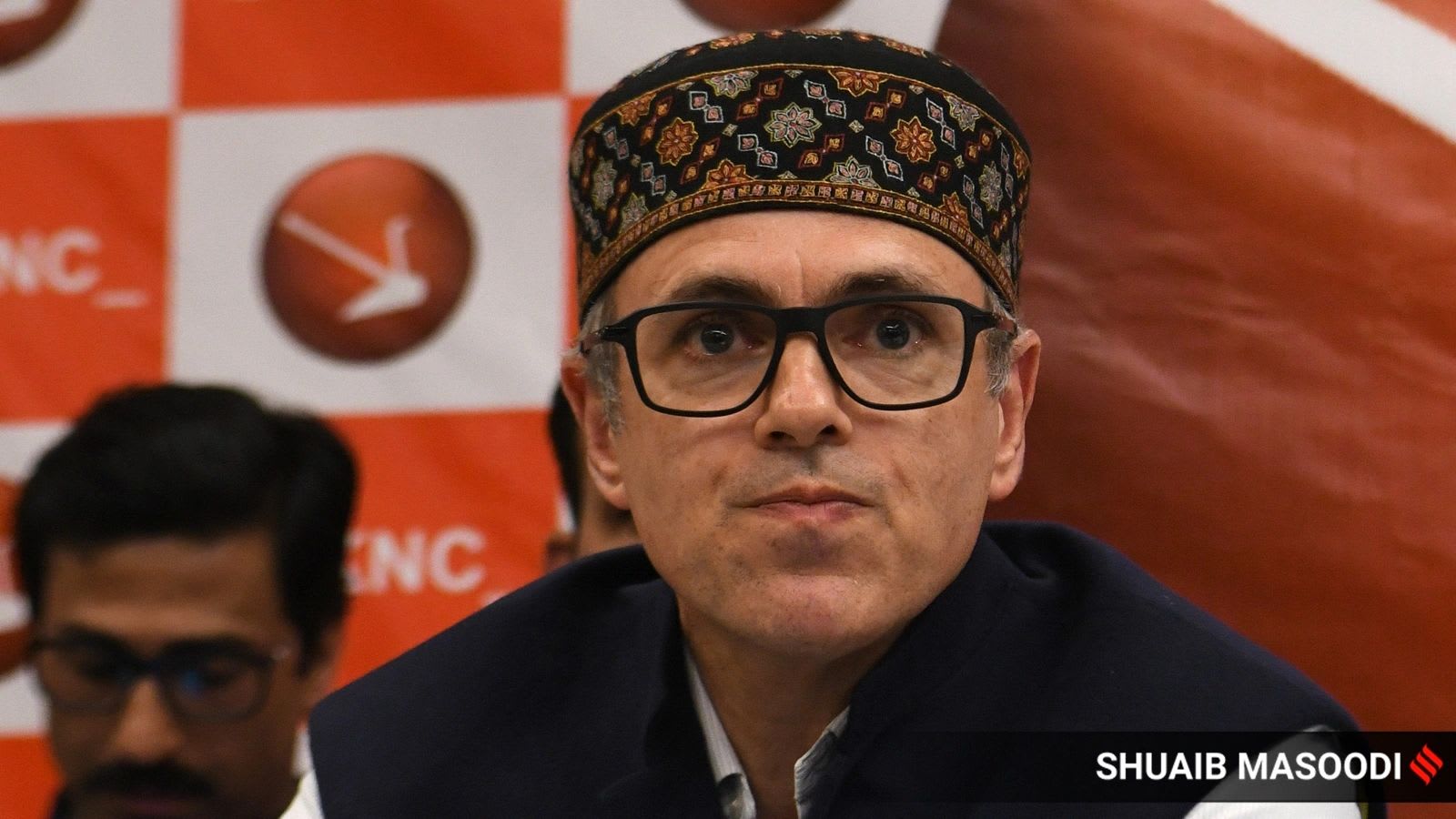
Ahead of its protest in New Delhi seeking the restoration of statehood to Jammu and Kashmir, the ruling National Conference has extended invitations to heads of national political parties within the I...
National Conference's Strategic Push for Jammu and Kashmir Statehood
The National Conference (NC), a dominant political force in Jammu and Kashmir, has strategically extended an invitation to the heads of national political parties within the INDIA bloc to join its upcoming protest in New Delhi. This move is a calculated effort to elevate the demand for the restoration of statehood from a regional grievance to a national political priority. By seeking the support of a broad coalition of opposition parties, the NC aims to exert maximum pressure on the central government, signaling that the status of Jammu and Kashmir is a point of contention for a significant portion of the Indian political spectrum.
The Historical Context of Statehood Revocation
To understand the weight of this protest, one must look back to August 2019, when the Indian government revoked Article 370 of the Constitution, stripping Jammu and Kashmir of its special autonomous status and reorganizing it into two Union Territories: Jammu & Kashmir and Ladakh. This move fundamentally altered the governance structure of the region, shifting power from local elected representatives to a centrally appointed Lieutenant Governor. The NC's current drive for statehood is not merely a request for administrative change but a demand for the return of democratic self-governance and the restoration of the political agency that the people of the region possessed prior to 2019.
Strategic Alignment with the INDIA Bloc
By inviting the INDIA bloc—a coalition formed to challenge the current administration at the national level—the National Conference is utilizing a 'strength in numbers' strategy. The INDIA bloc comprises a diverse array of parties with varying ideologies, but they are united in their opposition to the ruling party's centralization of power. For the NC, the support of national heavyweights provides a layer of political legitimacy and ensures that the protest in New Delhi receives wider media coverage and diplomatic attention. This alignment transforms a local struggle for statehood into a larger narrative about federalism and the rights of states within the Indian Union.
The Significance of Protesting in New Delhi
Choosing New Delhi as the site for the protest is highly symbolic and tactical. While protests within Jammu and Kashmir are often subject to strict security restrictions and limited visibility, a demonstration in the national capital places the issue directly at the doorstep of the central government. It forces the administration to acknowledge the persistence of the statehood demand in a public forum. Furthermore, it allows the NC to engage directly with national media outlets and other political allies, creating a synchronized wave of pressure that is harder for the center to ignore than isolated regional protests.
Broader Implications for Regional Stability
The restoration of statehood is viewed by many as a critical step toward normalizing the political and social atmosphere in Jammu and Kashmir. The current Union Territory status has led to perceptions of a democratic deficit, where local aspirations are secondary to central directives. If the NC's efforts, supported by the INDIA bloc, succeed in forcing a timeline for statehood, it could lead to the restoration of a fully empowered local legislature. This transition is seen as essential for long-term stability, as it would allow local leaders to take ownership of governance and address the specific needs of the populace through a democratic mandate.
Conclusion and Future Outlook
In summary, the National Conference's invitation to the INDIA bloc marks a significant escalation in the political campaign for Jammu and Kashmir's statehood. By nationalizing the issue, the NC is attempting to bridge the gap between regional aspirations and national political will. While the central government has previously hinted at restoring statehood 'at the appropriate time,' this coordinated push from the opposition may accelerate that timeline. The success of this protest will likely depend on the level of actual participation from the INDIA bloc leaders and the resulting intensity of the political discourse in the capital.