Navratri 2026: Why is the 10th day considered a spiritual victory? Sadhguru explains
Source Entity
Latest News: Todays Latest News Headlines from India & World | Hindustan Times | Hindustan Times
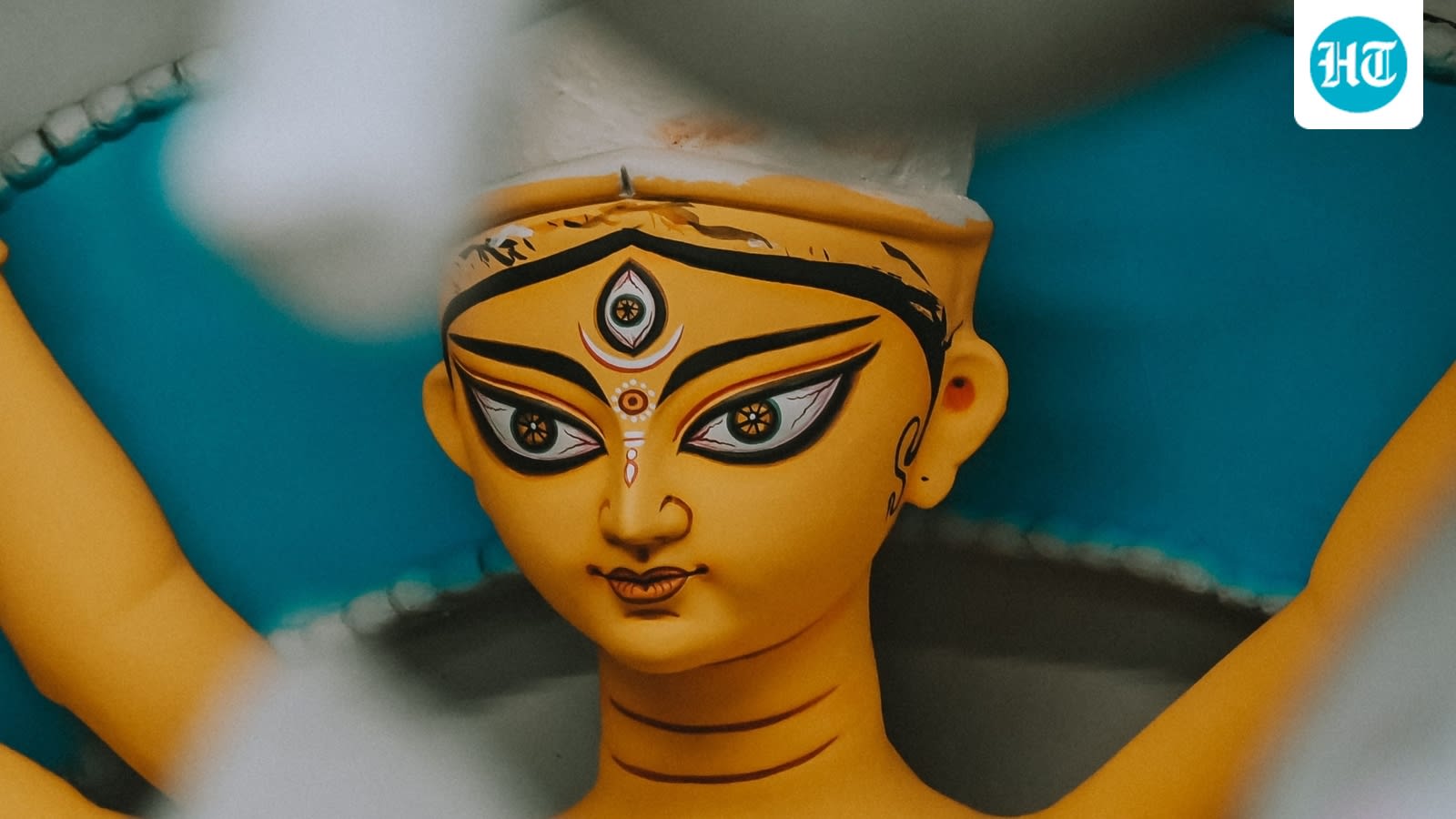
Navratri 2026, spanning October 11 to 19, marks a significant period of spiritual discipline and devotion. Experts highlight both the ritualistic importance of Ghatasthapana and the deeper philosophical transition toward transcendental victory on Vijayadashami.
The Significance of Navratri 2026: Rituals and Transcendence
Navratri, a profound festival of devotion, is set to commence on October 11, 2026, and will conclude with Maha Navami on October 19, followed by the celebration of Vijayadashami on October 20. This nine-day observance is deeply rooted in Indian culture, serving as a time for households to engage in prayer, fasting, and the honoring of various forms of Maa Durga. Beyond the external rituals, the festival encourages a period of introspection, discipline, and a collective focus on spiritual positivity.
The Three Dimensions of the Divine
According to spiritual insights from Sadhguru, the nine nights of Navratri are categorized into three distinct phases, each reflecting fundamental yogic qualities: tamas, rajas, and sattva. The first three nights are dedicated to Goddess Durga, representing the dimension of power; the subsequent three nights honor Goddess Lakshmi, symbolizing wealth; and the final three nights are devoted to Goddess Saraswati, representing knowledge. This structured approach allows practitioners to align their internal energies with these divine archetypes over the course of the festival.
Beyond the Material: The Spiritual Victory of Vijayadashami
While the first nine days are characterized by the invocation of these three dimensions, Sadhguru emphasizes that the tenth day, Vijayadashami, serves a higher purpose. It represents the transition beyond the pursuit of power, wealth, and knowledge. By marking what comes after the nine-night journey, Vijayadashami is interpreted not just as a historical victory, but as a spiritual milestone where the practitioner transcends the limitations of worldly pursuits to reach a state of inner liberation.
Ritualistic Observance and Preparation
Practical guidance for the festival, provided by experts like Gurudev Vikrant Jain, emphasizes the importance of sincerity and preparation. The observance begins with Ghatasthapana, a critical ritual that marks the start of the puja. Devotees are encouraged to maintain a clean environment, both physically and mentally, as they offer bhog, light diyas, and chant mantras. This emphasis on discipline helps practitioners cultivate a peaceful mind, which is considered essential for the efficacy of the nine-day devotion.
Cultural and Future Implications
As families continue to observe traditions passed down through generations, the 2026 celebrations highlight a synthesis of ancient Vedic wisdom and modern spiritual guidance. The trend toward balancing traditional puja vidhi with a deeper understanding of yogic philosophy suggests a growing interest in the psychological and spiritual benefits of the festival. By integrating the discipline of the nine nights with the philosophical clarity of the tenth day, participants are encouraged to carry the momentum of their devotion into their daily lives throughout the coming year.
Multiple Citing Sources
Verification Required?