Navy allows marriage for Agniveers opting for 2-year service extension
Source Entity
SURENDRA SINGH
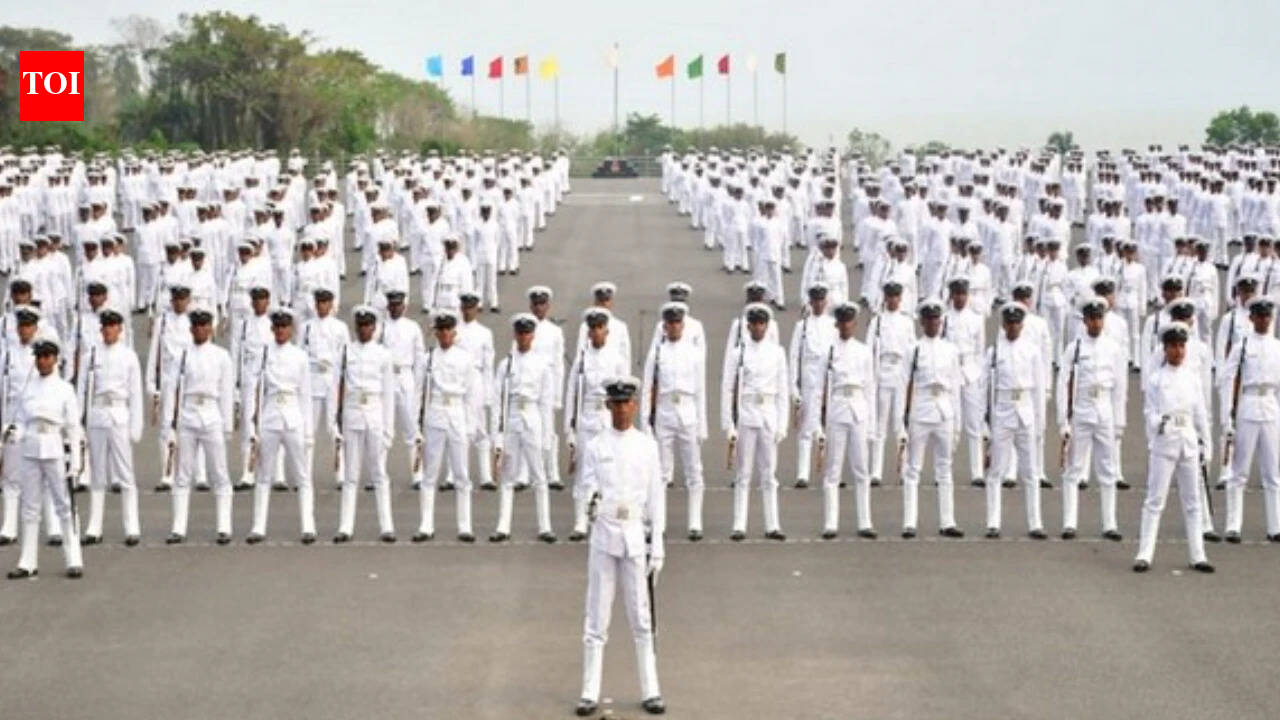
The Indian Navy has introduced a policy allowing marriage for Agniveers who choose to extend their service beyond the initial four-year term. This adjustment modifies the existing restriction that prohibits marriage for personnel aged 17.5 to 21 during their first four years of service.
Evolution of the Agnipath Service Policy
The Indian Navy has announced a significant shift in its personnel policy regarding the Agnipath scheme, specifically addressing the marital status of Agniveers. Under the original framework, personnel recruited between the ages of 17.5 and 21 were prohibited from marrying during their initial four-year service tenure. This new provision allows for marriage only after an Agniveer opts for a two-year service extension, marking a strategic pivot in how the force balances personal life with military discipline.
Rationale Behind the Initial Restriction
The initial prohibition on marriage for Agniveers was rooted in the need to maintain absolute focus and operational readiness during the critical formative years of military training and early deployment. By restricting marital commitments, the military aimed to ensure that young recruits, who are still in the early stages of their professional development, could fully dedicate their physical and mental energy to the rigors of naval service without the complexities of domestic responsibilities.
Balancing Personal Life and Military Requirements
By introducing the marriage provision for those choosing to extend their service, the Navy acknowledges the changing demographic and social needs of its workforce. This policy update serves as a retention incentive, recognizing that as Agniveers transition into longer-term roles, their personal requirements evolve. It reflects a nuanced approach to human resource management within the armed forces, attempting to accommodate personal stability while maintaining the high standards of the Agnipath program.
Broader Implications for the Armed Forces
This adjustment signals that the Agnipath scheme is not a static policy but one that is subject to iterative refinement based on feedback and operational experience. As the program continues to mature, the military must constantly evaluate how to best support the welfare of its personnel while ensuring that the primary objective—a leaner, younger, and more tech-savvy fighting force—remains uncompromised.
Future Trends and Considerations
The integration of this marriage provision may set a precedent for other branches of the Indian Armed Forces to review their own internal policies regarding the Agniveer recruitment model. As more cohorts complete their initial four-year cycles, the data gathered regarding retention and the impact of these policy changes will be crucial. The Navy's move suggests a trend toward greater flexibility, which may be essential in sustaining interest among qualified youth to pursue a career in the military under the Agnipath framework.
Concluding Summary
In summary, the decision to allow marriage for Agniveers who extend their service beyond the initial four-year period represents a balanced approach to military policy. It addresses the practical realities of long-term service while continuing to uphold the foundational principles of the Agnipath scheme. This policy evolution is a clear indication that the Indian Navy is committed to refining its personnel management strategies to adapt to the needs of its modern, short-term recruit force.