NCP reunification on cards? CM Fadnavis' talks with leaders of both factions fuels buzz
Source Entity
TOI NEWS DESK
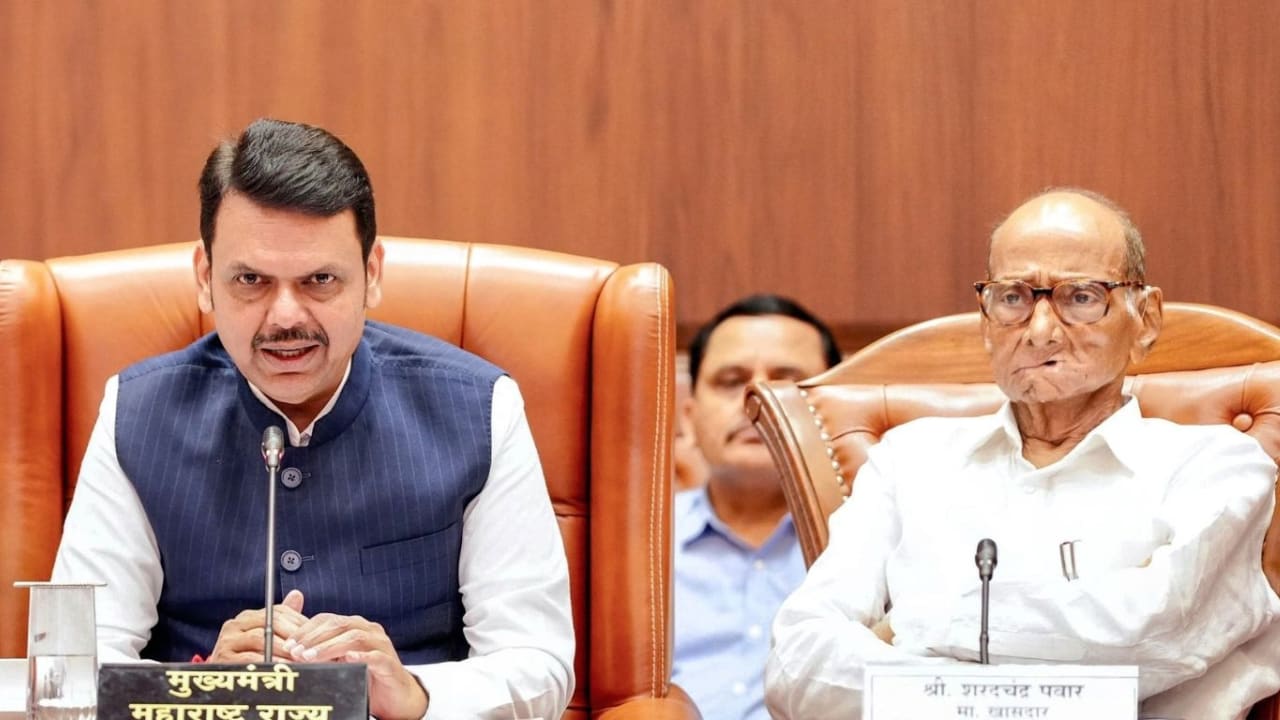
Reports suggest Deputy CM Devendra Fadnavis is holding talks with leaders from both factions of the Nationalist Congress Party (NCP), sparking intense speculation about a potential reunification of the split party in Maharashtra.
The Political Chessboard: Analyzing the Potential NCP Reunification
The political landscape of Maharashtra is once again swirling with speculation as reports emerge of Deputy Chief Minister Devendra Fadnavis engaging in high-level discussions with leaders from both factions of the Nationalist Congress Party (NCP). This development suggests a possible move toward reunification, a prospect that could fundamentally alter the power dynamics within the state's ruling Mahayuti alliance and the opposing Maha Vikas Aghadi (MVA). The buzz surrounding these talks highlights the fluid nature of regional politics in Maharashtra, where strategic alliances often supersede long-term ideological commitments to secure power.
The Roots of the NCP Schism
To understand the significance of a potential reunification, one must look back at the dramatic split that fractured the NCP. The rift between the veteran patriarch Sharad Pawar and his nephew Ajit Pawar was not merely a family dispute but a struggle for the soul and direction of the party. While Sharad Pawar maintained a traditionalist approach focused on grassroots mobilization and a strategic distance from the BJP, Ajit Pawar sought a more pragmatic, power-centric path, eventually leading his faction into the Mahayuti government. This division left the party's base confused and split the vote share in several key constituencies, creating a political vacuum that other parties have sought to exploit.
Fadnavis as the Strategic Architect
The involvement of Devendra Fadnavis in these talks is particularly telling. As a key strategist for the BJP, Fadnavis likely views a reunified NCP—under terms favorable to the current government—as a means to ensure greater stability and a more cohesive electoral front. By mediating between the two factions, Fadnavis may be attempting to neutralize the "Pawar factor" that often acts as a kingmaker in Maharashtra. If the BJP can facilitate a merger that brings the remnants of the Sharad Pawar faction back into a fold aligned with the Mahayuti, it would effectively dismantle a significant portion of the MVA's strength and consolidate the ruling coalition's grip on the state.
Hurdles to a Unified Front
Despite the buzz, the path to reunification is fraught with significant obstacles. The primary challenge is the legal and administrative battle over the party's name and symbol, which has already seen critical rulings by the Election Commission of India. Beyond the legalities, there is the issue of trust. The betrayal felt by the Sharad Pawar camp during the initial split is deep-seated. For a reunification to occur, there would need to be a clear agreement on leadership hierarchy and a consensus on the party's ideological stance regarding the BJP—a reconciliation that seems difficult given the current public rhetoric and the divergent paths the two factions have taken.
Broader Implications for Maharashtra's Governance
If reunification is achieved, the immediate impact would be felt in the upcoming legislative assembly elections. A unified NCP would possess a formidable organizational machine capable of dominating the sugar belt and rural Maharashtra. However, the nature of this reunification—whether it is a genuine ideological merger or a marriage of convenience—will determine its longevity. A forced unification mediated by an external party like the BJP could lead to internal friction, whereas a genuine reconciliation could create a powerhouse that might eventually challenge the BJP's dominance within the alliance itself, shifting the balance of power once more.
Conclusion: A Calculated Gamble
In summary, the reports of Devendra Fadnavis's talks with both NCP factions indicate a calculated attempt to reshape the political map of Maharashtra. While the prospect of reunification offers a tantalizing possibility of stability and electoral dominance for the ruling coalition, the deep-seated animosity between the factions remains a critical barrier. Whether this "buzz" translates into a formal agreement or remains a tactical maneuver to unsettle the opposition, it underscores the enduring influence of the Pawar family in the state's political destiny and the BJP's willingness to engineer alliances to maintain control.