Five Telangana tourists rescued after being swept into sea at Visakhapatnam’s RK Beach
Source Entity
India Latest News: Top National Headlines Today & Breaking News | The Hindu
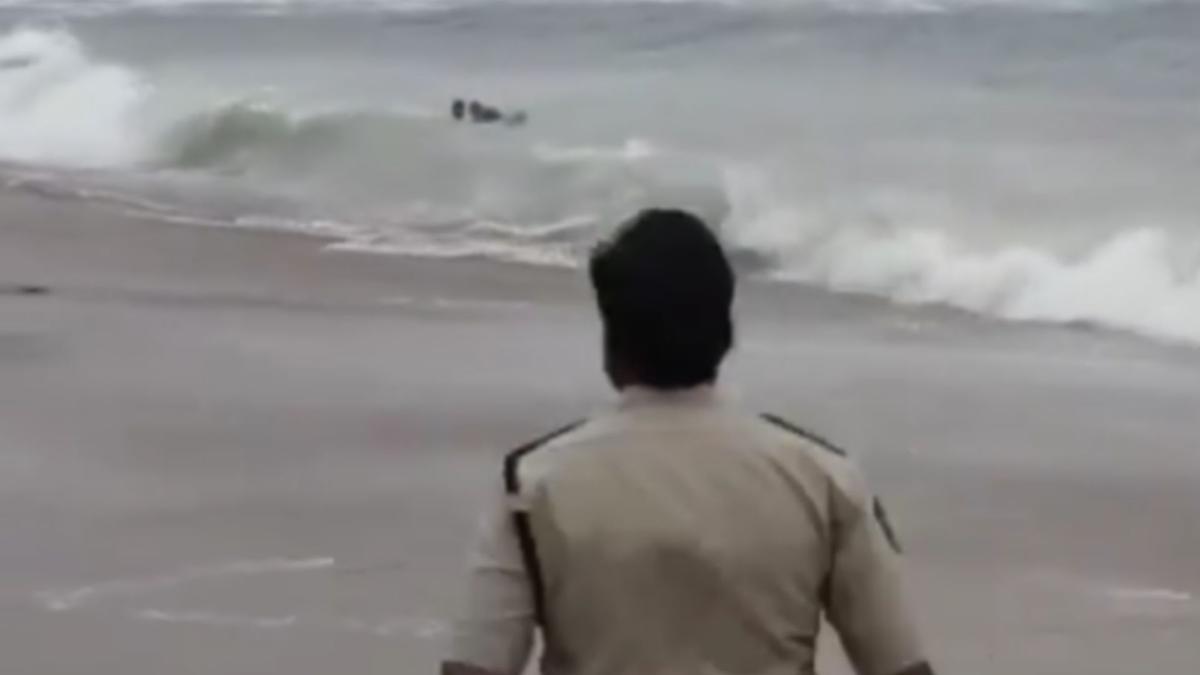
Five tourists from the Nalgonda district of Telangana were safely rescued by marine police after being swept into deep waters by strong waves while bathing at RK Beach in Visakhapatnam.
Rescue Operation at RK Beach: A Close Call for Telangana Tourists
In a harrowing incident that underscores the inherent risks of coastal tourism, five tourists from the Mushampalli village of Telangana’s Nalgonda district were narrowly saved from drowning at Visakhapatnam’s popular RK Beach. The group, visiting the coastal city from a landlocked region, found themselves overwhelmed by the power of the ocean after being swept into deep water by unexpectedly strong waves while bathing. The timely intervention of the marine police prevented what could have been a multi-casualty tragedy, as all five individuals were successfully pulled to safety.
The Dynamics of Coastal Hazards at RK Beach
RK Beach, while a primary attraction for visitors to Visakhapatnam, is known for its unpredictable currents and strong surf. The incident highlights a common danger known as rip currents or sudden tidal surges, which can rapidly pull unsuspecting swimmers away from the shore. For individuals who are not accustomed to the ocean's behavior—particularly those from inland areas like Nalgonda—the strength of these waves can be deceptive. The transition from shallow bathing areas to deep-water zones often happens abruptly, leaving swimmers struggling against a current that is frequently too powerful to swim against.
The Critical Role of Marine Police and Rapid Response
This rescue operation demonstrates the vital importance of the marine police's presence at high-traffic tourist beaches. The speed with which the rescue team responded indicates a high level of readiness and strategic positioning of personnel along the coastline. In maritime rescues, every second is critical due to the risk of panic, exhaustion, and aspiration of saltwater. The ability of the marine police to identify the distressed tourists and execute a successful extraction reflects the necessity of specialized training and equipment in managing beach safety in major urban coastal hubs.
Analyzing the Trend of Inland-to-Coastal Tourism
There is a significant trend of domestic tourists from landlocked states, such as Telangana, traveling to the eastern and western coasts of India for leisure. While this boosts local economies, it also creates a safety gap; many visitors lack basic knowledge of ocean safety, such as reading wave patterns or recognizing warning flags. The fact that this group hailed from a specific village in Nalgonda suggests a community-based or family trip, where a collective lack of familiarity with the sea can lead to shared risk-taking behavior, such as venturing too deep into the water during periods of high wave activity.
Future Implications for Beach Safety and Management
To prevent future occurrences, there is a pressing need for enhanced safety infrastructure at RK Beach and similar destinations. This includes the installation of more prominent warning signage in multiple languages (including Telugu) and the deployment of additional lifeguards during peak tourist seasons. Furthermore, public awareness campaigns targeting domestic tourists from non-coastal states could provide essential education on the dangers of rip currents and the importance of adhering to designated swimming zones.
Conclusion
Ultimately, the rescue of the five Telangana tourists is a positive outcome in a situation that could have ended in disaster. While the efficiency of the Visakhapatnam marine police is commendable, the incident serves as a stark reminder of the volatility of the ocean. Ensuring that tourism growth is matched by rigorous safety protocols and visitor education remains the only way to safeguard lives at India's bustling coastal attractions.
Verification Required?