Divert sewage entering Durgam Cheruvu to STP by July 20: CMC Commissioner directs officials
Source Entity
India Latest News: Top National Headlines Today & Breaking News | The Hindu
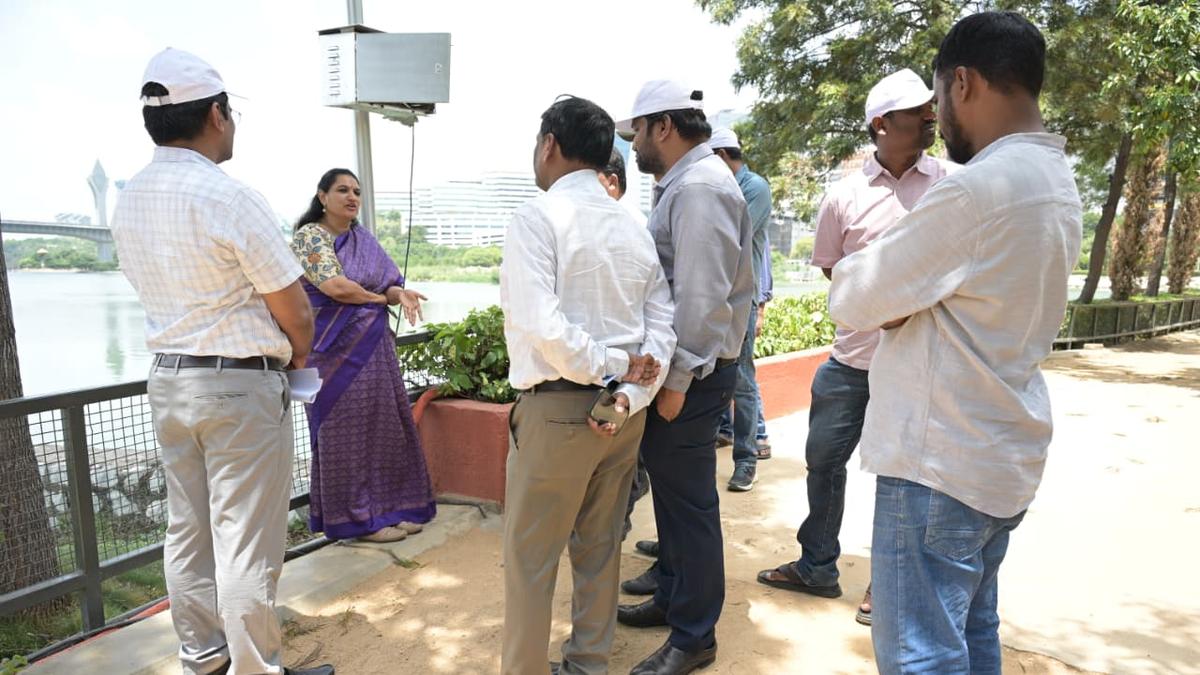
The Cyberabad Municipal Commissioner has issued a strict directive to divert sewage entering Durgam Cheruvu into a Sewage Treatment Plant (STP) by July 20 to prevent further pollution of the lake.
Urgent Environmental Intervention at Durgam Cheruvu
The ecological health of urban water bodies is a critical component of sustainable city living, especially in rapidly expanding metropolitan hubs. In a decisive move to combat water pollution, the Cyberabad Municipal Commissioner (CMC) has issued a strict directive to divert sewage currently flowing into Durgam Cheruvu. The order mandates that all sewage inflows be rerouted to a Sewage Treatment Plant (STP) by the deadline of July 20. This action underscores the municipal administration's commitment to preserving one of the region's most prominent landmarks and ensuring the sustainability of its local ecosystem.
The Environmental Crisis of Urban Inflow
Durgam Cheruvu, widely recognized for its scenic beauty and the iconic cable bridge, has faced increasing pressure from unplanned urban expansion in the surrounding IT corridor. The entry of untreated sewage into the lake leads to nutrient overloading, a process known as eutrophication. This phenomenon triggers excessive algal growth, which depletes dissolved oxygen levels in the water, threatening aquatic biodiversity and resulting in foul odors that impact the quality of life for nearby residents and commercial establishments. By addressing the sewage inflow, the CMC aims to halt this degradation cycle.
Technical Implementation and Infrastructure
The diversion of sewage to an STP is not merely a logistical shift but a technical necessity for urban water management. By routing waste through a treatment facility, the city ensures that pollutants are removed before the water is either recycled or safely discharged, preventing the lake from becoming a dumping ground. This process requires a coordinated effort between municipal engineering teams to identify leakages in the existing sewage network and construct new diversion channels. The specific deadline of July 20 suggests a high level of urgency, likely intended to secure the lake's health before the onset of heavy monsoon rains, which typically exacerbate runoff and pollution levels.
Governance, Accountability, and Oversight
A key aspect of this directive is the established accountability mechanism. The announcement that the Commissioner will personally revisit the site on Monday indicates a "hands-on" approach to municipal governance. Such direct oversight is crucial in public infrastructure projects where bureaucratic delays can often hinder progress. By conducting site inspections, the administration ensures that officials are implementing tangible physical changes on the ground rather than relying on theoretical progress reports, thereby increasing the likelihood of meeting the July 20 target.
Broader Urban Implications for Cyberabad
This event reflects a larger, systemic struggle in Hyderabad's urban management: the challenge of balancing rapid technological and commercial growth in the Cyberabad area with environmental preservation. As the city expands its infrastructure to accommodate a global tech workforce, the pressure on natural drainage systems and historic lakes increases. The restoration of Durgam Cheruvu serves as a litmus test for whether the city can successfully integrate modern urbanism with ecological stewardship, ensuring that growth does not come at the cost of natural resources.
Future Trends in Urban Water Management
Looking forward, the success of this diversion project could set a precedent for the restoration of other lakes across the city. If the July 20 target is met and a measurable improvement in water quality is observed, it may trigger a more systemic overhaul of the city's sewage infrastructure. Future trends may include the adoption of "zero-discharge" models and the integration of IoT-based smart sensors to detect sewage leaks in real-time, further leveraging the "Smart City" capabilities inherent to the Cyberabad region to protect its remaining green and blue spaces.
Conclusion
In summary, the directive to divert sewage from Durgam Cheruvu is a critical step toward environmental reclamation. By setting a hard deadline and maintaining strict administrative oversight, the CMC is attempting to reverse years of environmental neglect. The outcome of this initiative will be vital not only for the long-term health of the lake but also for the overall environmental resilience of the Cyberabad area.
Verification Required?