No ‘baja’ for baraat: Groom’s father wins Rs 39,000 after wedding band fails to arrive
Source Entity
Ashish Shaji
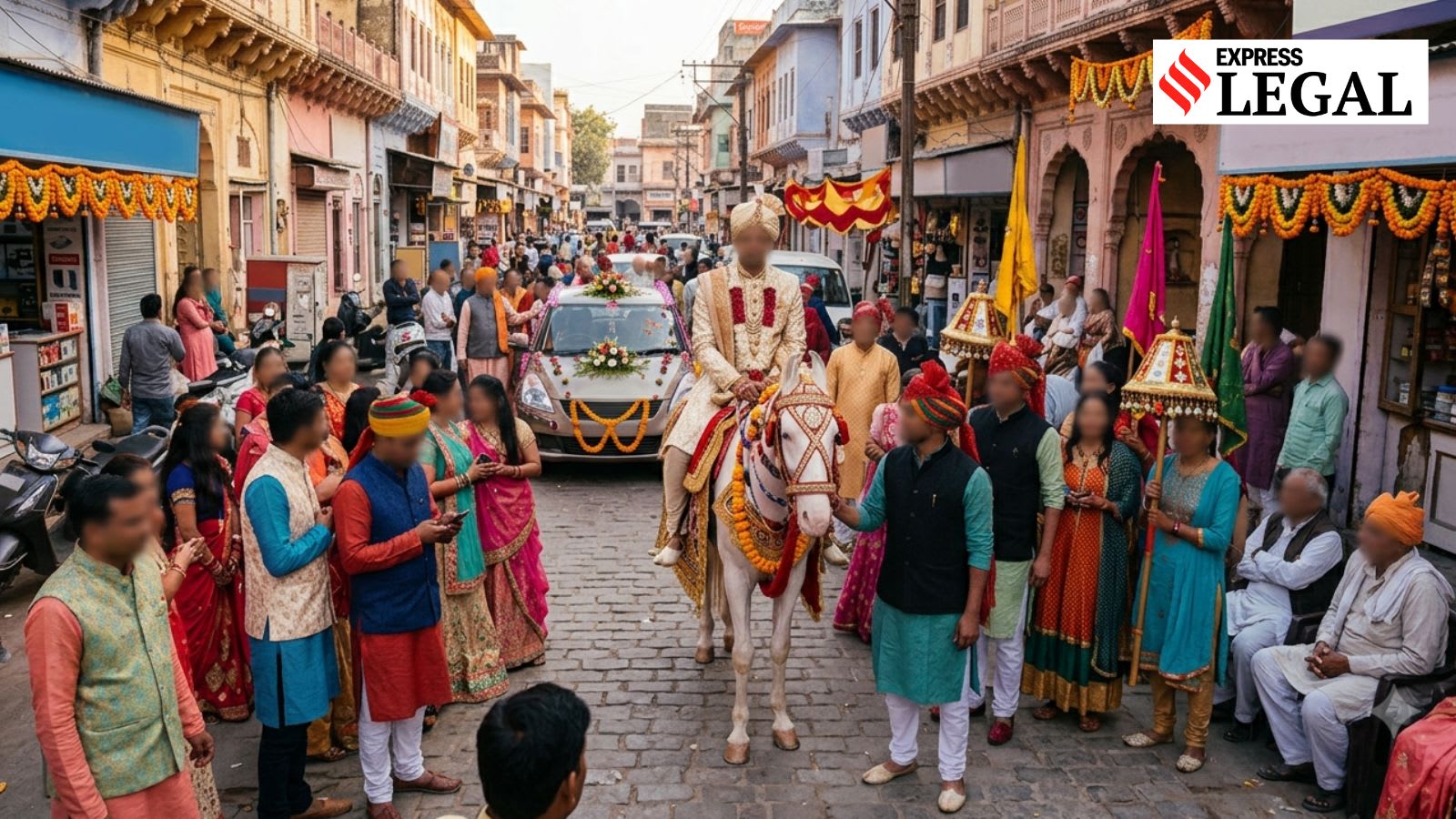
A consumer court has awarded ₹39,000 in compensation to a groom's father after a hired wedding band failed to arrive for the baraat, ruling that the vendor's failure to show up constituted a deficiency in service.
Legal Victory for Consumer Rights in the Wedding Industry
In a significant ruling that underscores the importance of service accountability, a consumer court has awarded ₹39,000 to the father of a groom after a contracted wedding band failed to appear for the baraat. The case highlights a common friction point in the Indian wedding industry, where verbal agreements and trust often precede formal contracts, leaving clients vulnerable to professional negligence. The court's decision serves as a stern reminder that service providers, regardless of the niche, are legally bound to fulfill their contractual obligations.
The Breach of Trust and Service
The core of the dispute centered on the failure of the wedding band's proprietor to deliver the promised services. According to the complaint, the proprietor initially maintained communication, providing assurances that the band was on its way and would arrive shortly. However, as the event progressed, the proprietor ceased all communication, leaving the family in a state of distress. This transition from false assurance to total silence was a critical factor in the court's assessment, as it demonstrated a willful negligence and a lack of professional ethics on the part of the vendor.
Cultural Significance and Emotional Distress
To understand the gravity of this failure, one must consider the cultural context of the baraat in Indian weddings. The baraat—the groom's wedding procession—is not merely a logistical movement from one point to another; it is a high-energy social celebration where music (the baja) is central to the experience. A silent baraat is often viewed as a social embarrassment and a dampener on the festive spirit. By awarding compensation, the court acknowledged that the loss was not merely financial (the cost of the band) but also emotional and social, recognizing the mental agony caused to the groom's father during one of the most important events of his child's life.
Legal Implications: Deficiency in Service
From a legal standpoint, this case falls under the umbrella of "deficiency in service" as defined by consumer protection laws. When a service provider accepts a booking and payment (or a commitment of payment) and subsequently fails to provide that service without a valid excuse, it constitutes a breach of contract. The court's decision to award ₹39,000 suggests a calculated approach to compensate for the original cost of the service, the mental harassment endured by the complainant, and potentially a punitive element to deter other vendors from similar conduct.
The Unorganized Nature of the Event Sector
This incident reflects a broader systemic issue within the Indian wedding and event management sector, which remains largely unorganized. Many vendors operate on a basis of trust or informal bookings via phone calls and WhatsApp. While this flexibility is convenient, it often leads to a lack of accountability. This ruling encourages consumers to seek legal recourse even for seemingly "small" service failures, signaling a shift toward a more formalized economy where the consumer's right to quality service is paramount.
Future Trends in Event Bookings
Looking forward, this case is likely to drive a trend toward more formalized agreements in the event industry. We can expect a rise in the use of written contracts, digital payment trails, and the employment of professional event planners who act as intermediaries to guarantee service delivery. Furthermore, as consumer awareness grows, vendors will be forced to implement better communication protocols and contingency plans to avoid the legal and reputational risks associated with "no-shows."
Conclusion
Ultimately, the victory of the groom's father is a victory for consumer empowerment. By penalizing the wedding band proprietor, the consumer court has reinforced the principle that no service provider is above the law, regardless of the scale of their operation. This case sets a precedent that the emotional and social value of a service is a legitimate consideration in consumer disputes, ensuring that the "shaan" (prestige) of a celebration is protected by legal accountability.