What’s at stake in Delhi Gymkhana land row? Nearly 500 decades-old trees
Source Entity
Sophiya Mathew
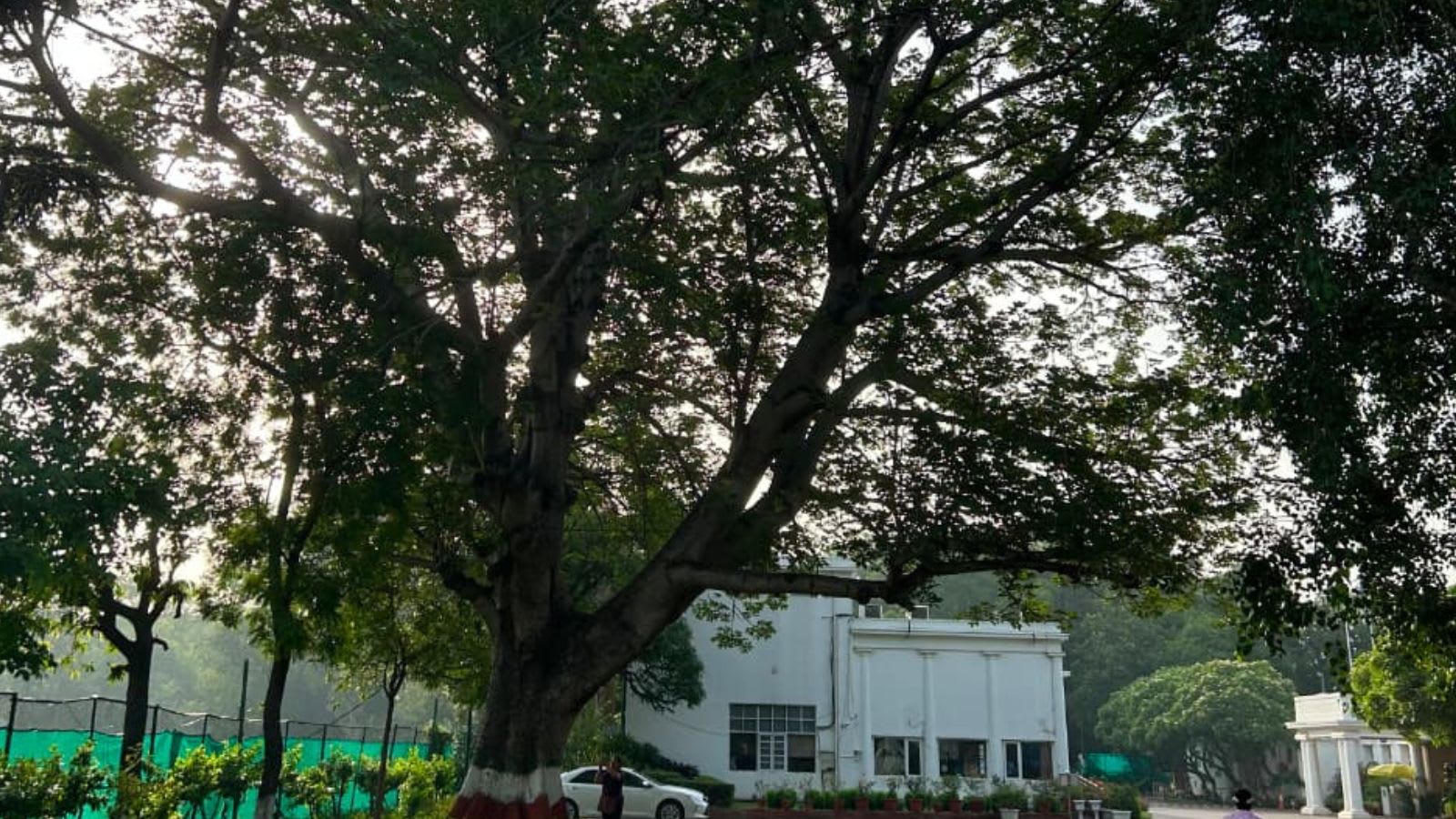
A legal dispute over land at the Delhi Gymkhana has reached the Delhi High Court, with environmentalists and naturalists warning that nearly 500 decades-old trees are at risk of being lost to development.
The Conflict Between Urban Development and Ecological Preservation
The ongoing land dispute at the Delhi Gymkhana has evolved into a critical environmental flashpoint, centering on the potential loss of nearly 500 decades-old trees. This case highlights the recurring tension in New Delhi between institutional expansion and the preservation of the city's dwindling green cover. As the Delhi High Court deliberates on the matter, the case serves as a microcosm of the broader struggle to maintain urban biodiversity in one of the world's most polluted capitals.
The Ecological Significance of Ancient Urban Flora
The survey led by naturalist Vijay Dhasmana and environmentalist Dr. Roli Shukla Thapar, supported by citizen volunteers, underscores the immense ecological value of these specific trees. Decades-old trees are not merely aesthetic assets; they are complex ecosystems that provide critical nesting sites for avian species and support a variety of urban wildlife. In a city like Delhi, which suffers from an intense 'urban heat island' effect, such dense clusters of old-growth trees are essential for temperature regulation and carbon sequestration, making their potential removal a significant environmental blow.
Legal Precedents and the Role of the Judiciary
The involvement of the Delhi High Court is pivotal, as Indian courts have increasingly adopted the 'Public Trust Doctrine,' which posits that certain resources—like air, water, and forests—are held by the government in trust for the general public. The court's decision will likely hinge on whether the development interests of the Gymkhana outweigh the collective environmental right to a healthy atmosphere. This case mirrors previous litigations in the National Capital Region (NCR) where the judiciary has stepped in to halt construction projects that threatened ancient groves or protected forest land.
The Power of Citizen Science and Expert Advocacy
A notable aspect of this row is the methodology used to challenge the development. By employing a survey led by recognized experts like Dhasmana and Thapar and involving citizen volunteers, the environmentalists have moved the argument from emotional appeal to empirical evidence. This shift toward 'citizen science' allows for a documented inventory of flora, which provides the court with a factual basis to assess the true cost of land development. This approach empowers local communities to act as stewards of their environment through documented advocacy.
Broader Implications for Delhi's Green Infrastructure
If these 500 trees are sacrificed for land acquisition or infrastructure, it may set a dangerous precedent for other heritage institutions and private clubs across the city. Delhi's green cover is fragmented, and the loss of concentrated old-growth patches disrupts ecological corridors. The outcome of this case will signal whether the city's administration and judiciary prioritize short-term institutional utility over long-term climate resilience and ecological stability.
Future Trends in Urban Land Disputes
Looking forward, we can expect an increase in such 'green vs. growth' conflicts as urban density increases. The Delhi Gymkhana row suggests a trend where environmental litigation will increasingly rely on detailed biodiversity audits rather than general objections. We are likely to see more stringent requirements for 'Environmental Impact Assessments' (EIAs) even for small-scale land disputes within urban limits, as the climate crisis makes every single mature tree a critical asset for city survival.
Conclusion
The Delhi Gymkhana land row is more than a property dispute; it is a test of the city's commitment to its ecological future. The balance between the rights of a land-holding entity and the survival of 500 ancient trees will determine how Delhi manages its remaining natural heritage. The final verdict from the High Court will either reinforce the sanctity of urban forests or accelerate the trend of concrete expansion at the expense of the environment.