Explained: The row over Jammu and Kashmir’s sweeping ‘audit’ of academic material
Source Entity
Bashaarat Masood
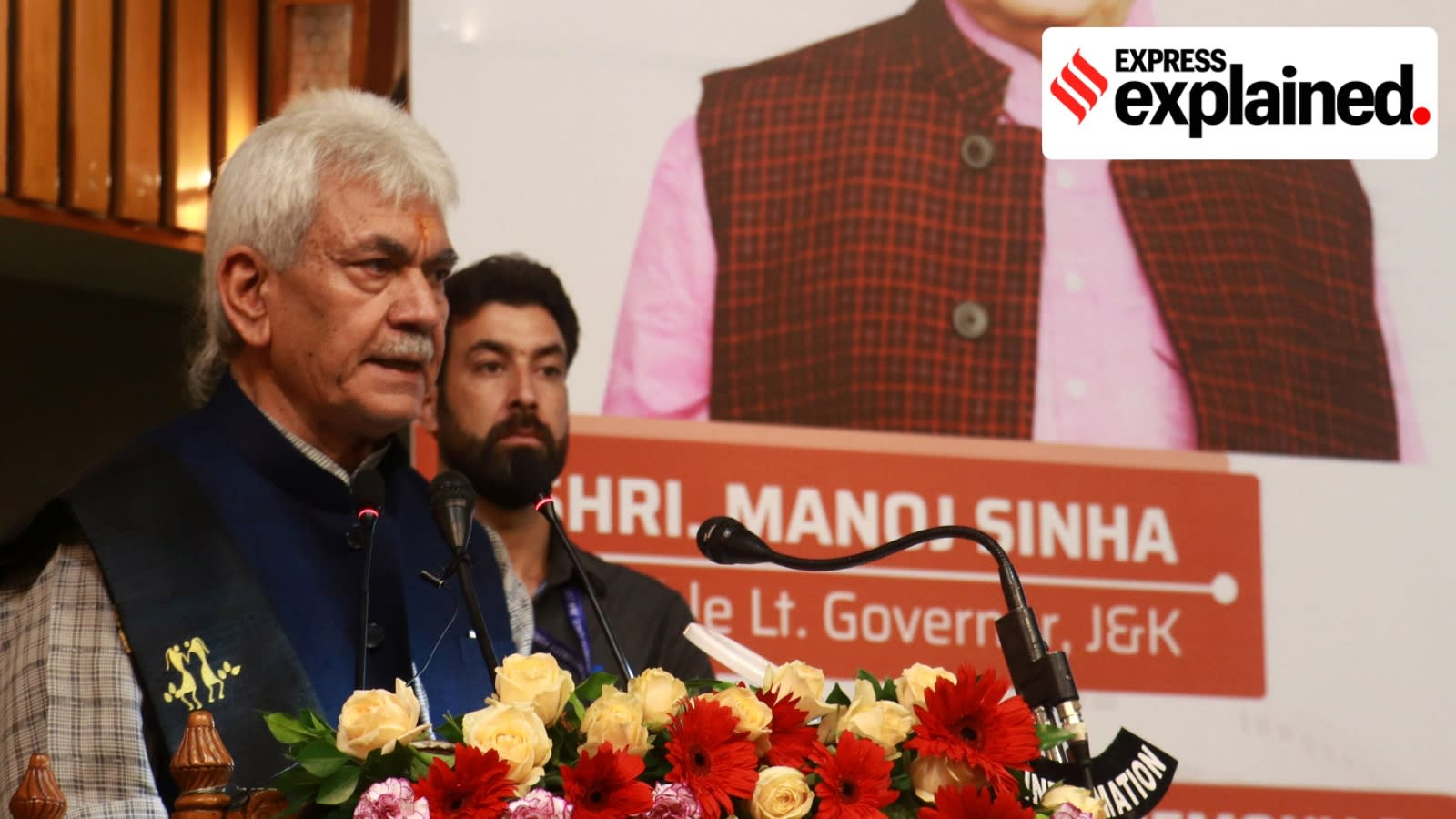
The Jammu and Kashmir government has ordered a comprehensive audit of all academic materials in educational institutions and public libraries following a controversy over specific content, sparking debates over academic freedom and state-led narrative control.
Understanding the Academic Audit in Jammu and Kashmir
The Jammu and Kashmir (J&K) government's recent directive to conduct a sweeping audit of academic materials across educational institutions and public libraries marks a significant intervention in the region's intellectual and pedagogical landscape. This move, triggered by a specific controversy regarding the content of certain materials, indicates a heightened state sensitivity toward the narratives being disseminated to students and the general public. By targeting both schools and public libraries, the administration is signaling a desire for a standardized, state-approved body of knowledge, raising critical questions about the boundary between administrative oversight and ideological censorship.
The Scope and Mechanism of the Audit
The breadth of this audit is particularly noteworthy. Unlike targeted revisions of textbooks—which are common in various Indian states—this directive encompasses "all academic material," including resources found in public libraries. This suggests a systemic review process that likely extends beyond core curricula to include supplementary reading, historical texts, and political science materials. From an administrative perspective, the government may frame this as a 'quality control' measure to ensure that educational content is factual and aligned with national standards. However, the sweeping nature of the order implies a search for 'objectionable' content that may challenge the current administrative narrative or state security perspectives.
The Intersection of Politics and Pedagogy
In a region as politically charged as Jammu and Kashmir, education is rarely a neutral field. The audit occurs against a backdrop of significant administrative shifts following the reorganization of the state into a Union Territory. Control over education is a powerful tool for state-building and narrative shaping. By auditing academic materials, the government can effectively curate the historical and political lens through which the youth perceive their region's identity and its relationship with the center. This creates a tension between the goal of providing a stable, unified educational framework and the risk of erasing nuanced historical perspectives or suppressing critical inquiry.
Implications for Academic Freedom
The primary concern arising from this directive is the potential 'chilling effect' it may have on educators and librarians. When a government mandates a sweeping audit of intellectual materials, it often leads to self-censorship. Teachers may avoid using supplementary materials that could be flagged, and libraries may preemptively remove books to avoid scrutiny. This environment can stifle intellectual curiosity and discourage the development of critical thinking skills among students, who are encouraged to engage with a singular, sanitized version of events rather than navigating complex, competing narratives.
Historical Context and Administrative Control
Historically, J&K has seen various iterations of curriculum changes, but the current move reflects the deeper integration of the Union Territory into the central administrative fold. The push for uniformity in education is often seen as a way to foster national integration. However, the method of achieving this—through an audit triggered by controversy—suggests a reactive rather than a proactive educational policy. This approach mirrors global trends where states attempt to regulate 'sensitive' history in classrooms to maintain social order or political legitimacy, often leading to friction between the state and the academic community.
Future Trends and Potential Challenges
Looking forward, this audit is likely to face challenges from academic bodies and civil society organizations who view it as an infringement on the right to information and education. We can expect a period of friction as the results of the audit are implemented and certain materials are potentially banned or revised. Moreover, this could set a precedent for other regions to implement similar 'audits' under the guise of factual accuracy. The long-term impact will depend on whether the government allows for a transparent, peer-reviewed process or if the audit remains an opaque administrative exercise.
Conclusion
The J&K government's audit of academic materials is more than a simple review of textbooks; it is a reflection of the ongoing struggle over narrative and identity in the region. While the state may argue that such measures are necessary for social harmony and factual correctness, the potential for intellectual narrowing is significant. The balance between maintaining a cohesive educational standard and preserving the spirit of academic inquiry remains a precarious one, and the outcome of this audit will likely influence the intellectual climate of Jammu and Kashmir for years to come.