Neeru Dhanda: From tin cans and a borrowed gun to WC history and Asian Games gold
Source Entity
TOI SPORTS DESK
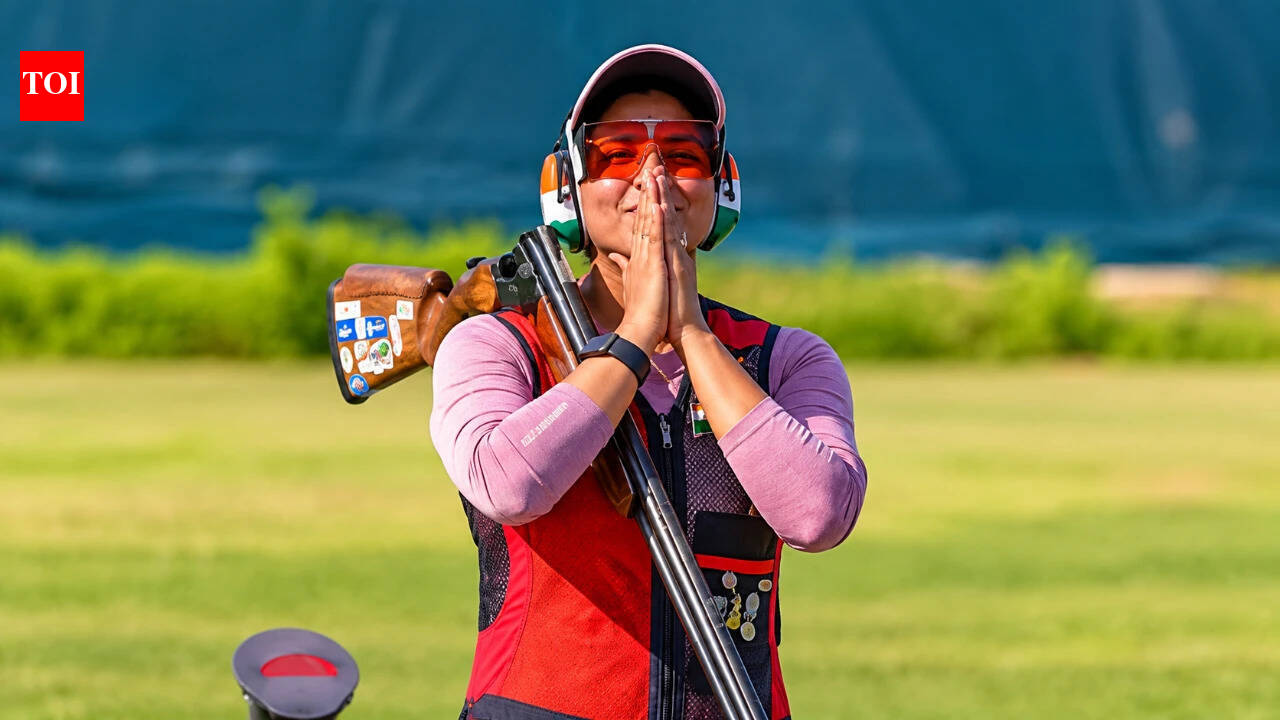
Neeru Dhanda has made history by becoming the first Indian woman to win an individual gold medal in trap shooting at the 2026 Asian Games. Her victory follows a remarkable journey from humble beginnings in Sangatpura to achieving international success as an Indian Army Naib Subedar.
A Historic Triumph in Nagoya
Neeru Dhanda has etched her name into the annals of Indian sporting history by securing the gold medal in the women's trap individual event at the 2026 Asian Games. This victory is particularly significant as it marks the first time an Indian woman has claimed an individual gold in this discipline at the continental level. Her performance was characterized by immense precision; after qualifying for the final with a score of 118/125, she maintained composure under pressure, hitting all five of her opening shots and finishing with a record-breaking 28/30 in the final round.
From Humble Beginnings to the Podium
The narrative of Dhanda’s rise is deeply rooted in personal perseverance and familial support. Hailing from the village of Sangatpura, where her family worked a small portion of farmland, the prospect of entering the expensive world of competitive shooting seemed like a distant dream. Inspired by her cousin Lakshay Sheoran’s silver medal performance at the 2018 Jakarta Asian Games, Dhanda transitioned from a background in kabaddi to the shooting range, overcoming initial financial and logistical barriers with the help of her mentor Lakshay and his father, Somveer Sheoran.
The Role of Mentorship and Training
Her development as an elite athlete was fast-tracked through the use of borrowed equipment and intensive training at the Karni Singh Shooting Range in Delhi. By utilizing Lakshay’s guns and benefiting from the guidance of a former national wrestler, Dhanda honed the steady hand and mental fortitude required for trap shooting. Her journey reflects a broader trend of Indian athletes leveraging grassroots support systems and specialized military training to compete at the highest global stages.
The Impact of Military Discipline
Currently serving as a Naib Subedar in the Indian Army, Dhanda’s transition into professional shooting has been bolstered by the structured environment of military service. The discipline inherent in Army training has clearly translated to the range, as evidenced by her missing only two shots throughout her final performance. This achievement underscores the critical role the Indian Army plays in fostering world-class talent, providing the stability and resources necessary for athletes from rural backgrounds to excel.
Broader Implications and Future Trends
This gold medal is the culmination of a breakout season that also saw Dhanda contribute to a silver medal for the Indian women’s trap team. Her success serves as a powerful catalyst for the sport in India, likely inspiring a new generation of shooters from rural regions who may view shooting as an unattainable luxury. As India continues to diversify its medal-winning disciplines beyond traditional sports, Dhanda’s record-breaking performance positions her as a cornerstone of India’s future aspirations in Olympic and continental shooting events.
Multiple Citing Sources