Day 17 of my hunger strike at Jantar Mantar: It’s not just about leaks, but accountability
Source Entity
The Indian Express
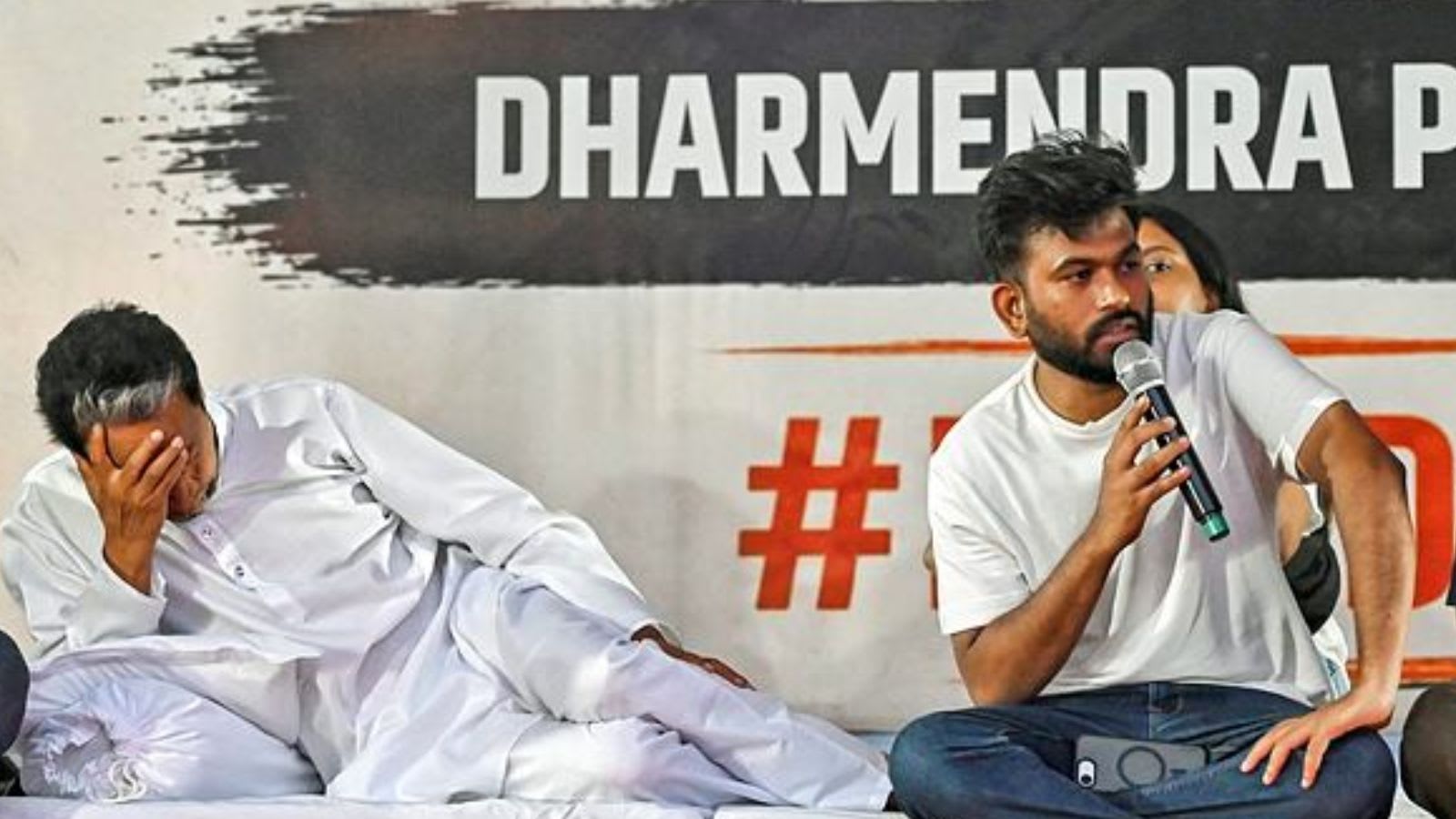
By Neha We are on the 17th day of our indefinite hunger strike, demanding accountability for the NEET paper leak and the crisis in India’s examination system. Several students have died by suicide in ...
The Cry for Accountability: Analyzing the NEET Protest at Jantar Mantar
The ongoing protest at Jantar Mantar, now entering its 17th day, represents more than a simple grievance over a leaked examination paper; it is a manifestation of deep-seated frustration within India's competitive education ecosystem. Led by students like Neha, the indefinite hunger strike serves as a desperate plea for transparency and justice. The choice of Jantar Mantar—a historic site for political dissent in New Delhi—underscores the students' intent to bring their struggle into the direct sight of the nation's policymakers, signaling that the issue has escalated from an academic dispute to a human rights crisis.
The Catalyst: The NEET Paper Leak Scandal
At the heart of this protest is the NEET (National Eligibility cum Entrance Test) paper leak, an event that has compromised the futures of hundreds of thousands of aspiring medical students. In a system where a single mark can determine a student's career trajectory, the breach of examination integrity is catastrophic. The provided context highlights a grim reality: the pressure and perceived unfairness of the system have contributed to student suicides. This transforms the leak from a technical failure of the National Testing Agency (NTA) into a systemic failure that costs lives, making the demand for 'accountability' a matter of life and death rather than mere administrative correction.
Systemic Fragility of India's Examination Framework
The protest emphasizes that this is not an isolated incident but a 'crisis in India’s examination system.' For years, centralized exams have been plagued by reports of leaks, solver gangs, and administrative lapses. When the primary mechanism for meritocracy is compromised, it erodes public trust in the state's ability to provide fair opportunities. The students' insistence that the issue is 'not just about leaks' suggests a demand for a complete overhaul of how high-stakes exams are conducted, secured, and audited, arguing that superficial investigations are insufficient to prevent future occurrences.
The Symbolism of the Hunger Strike
A hunger strike is one of the most potent forms of non-violent protest, designed to create an urgent moral crisis for the government. By reaching Day 17, the protesters are demonstrating an extreme level of commitment and a perceived lack of meaningful response from authorities. This escalation indicates that legal petitions and formal complaints have failed to yield satisfactory results. The physical toll on the students' bodies mirrors the psychological toll the examination crisis has taken on the youth, creating a powerful visual narrative of sacrifice in the pursuit of systemic integrity.
The Demand for Genuine Accountability
Crucially, the protesters are distinguishing between 'investigation' and 'accountability.' While governments often announce committees or probes to quieten public outcry, accountability requires tangible consequences for those responsible—both the criminals who leaked the papers and the officials whose negligence allowed it to happen. The demand for accountability is a demand for a precedent where the state is held responsible for the security of the examinations it mandates. Without this, the students fear that the cycle of leaks and cover-ups will continue unabated.
Conclusion: Restoring Faith in Meritocracy
In summary, the 17-day hunger strike at Jantar Mantar is a critical alarm bell for the Indian education system. It highlights a volatile intersection of academic pressure, administrative failure, and student desperation. For the protests to conclude, the government must move beyond rhetoric and provide a transparent, time-bound roadmap for reform and justice. Failure to address these demands not only risks further student distress but threatens the very foundation of meritocracy upon which India's professional aspirations are built.