New voters have to also submit parents' SIR details for inclusion in electoral rolls
Source Entity
India Latest News: Top National Headlines Today & Breaking News | The Hindu
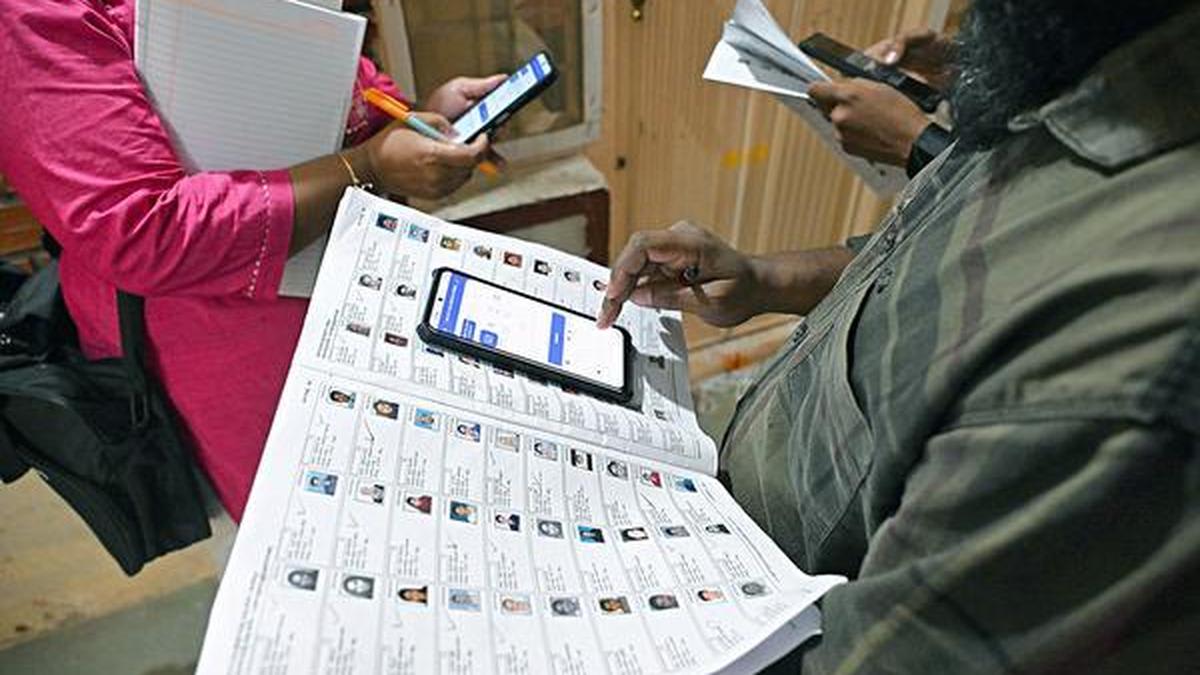
The functionary underlined that the declaration was added through instructions and Form 6 has not been amended
Enhancing Electoral Integrity: Analysis of New Voter Registration Requirements
The integrity of any democratic election relies fundamentally on the accuracy and transparency of its electoral rolls. The recent announcement that new voters must now submit their parents' SIR details for inclusion in the electoral rolls represents a strategic move toward more rigorous identity verification. By requiring this additional layer of familial documentation, electoral authorities aim to ensure that the registration process is robust and that the rolls are free from inaccuracies or fraudulent entries.
Administrative Agility vs. Formal Amendment
A critical detail of this update is the method of implementation. A government functionary has clarified that these requirements are being enforced through specific administrative instructions rather than a formal amendment to Form 6, the standard application for new voter registration. This distinction is significant from a governance perspective. Amending a formal legal document like Form 6 often requires a lengthy legislative or regulatory process. By utilizing "instructions," the election commission can pivot quickly to address emerging security needs or administrative gaps without the bureaucratic delay of a full form redesign. However, this also means that the burden of awareness falls heavily on the applicants and the local officials processing the forms.
The Logic of Parental Verification
The requirement for parental SIR details serves as a secondary verification mechanism. In many electoral systems, establishing a legitimate link to a known resident or a specific household is a primary method of proving eligibility for a particular constituency. By linking a new voter's identity to the existing records of their parents, authorities can more effectively cross-reference data to eliminate "ghost voters" or duplicate entries. This systemic check helps in maintaining a "clean" roll, which is essential for preventing electoral fraud and ensuring that the democratic process remains fair and representative.
Potential Challenges in Accessibility
While the drive for accuracy is commendable, such mandates can introduce barriers for marginalized populations. Individuals from displaced families, those with missing documentation, or citizens from socio-economically disadvantaged backgrounds may struggle to provide precise SIR details for their parents. There is an inherent tension between the need for strict verification and the goal of universal suffrage. The effectiveness of this measure will largely depend on the discretion and sensitivity of the ground-level officials who must interpret these "instructions" when dealing with applicants who may lack complete documentation.
Historical Context and Global Trends
Historically, electoral rolls have often been a flashpoint for political contention, with allegations of voter padding or the intentional exclusion of certain demographics. The move toward requiring more detailed familial and identification links is part of a broader global trend in electoral management. Many nations are moving away from simple self-declaration models toward data-driven, verified registration systems. This shift reflects a global effort to digitize citizenship records and create an audit-trail for every single entry on the voter list, thereby reducing the possibility of human error or intentional manipulation.
Future Outlook for Voter Registration
Looking ahead, this requirement likely signals a transition toward fully integrated digital identity ecosystems. As governments continue to link various administrative databases—such as national IDs, tax records, and residency permits—the reliance on physical applications like Form 6 will likely diminish. We can expect a future where voter registration is an automated process triggered by a citizen reaching the legal voting age, with verification happening instantaneously via backend data synchronization. This current step of requiring parental details is a bridge toward that highly integrated, biometric-driven future.
Conclusion
In summary, the mandate for parents' SIR details is a tactical administrative update designed to tighten the security and accuracy of the electoral rolls. While it maintains the existing structure of Form 6, it adds a critical layer of scrutiny to the onboarding of new voters. Balancing this need for security with the necessity of inclusive access will be the primary challenge for election officials as they implement these new instructions to safeguard the democratic process.
Verification Required?