Fake currency case follow-up: NIA arrests PNB Saharanpur currency chest driver
Source Entity
Latest News: Todays Latest News Headlines from India & World | Hindustan Times | Hindustan Times
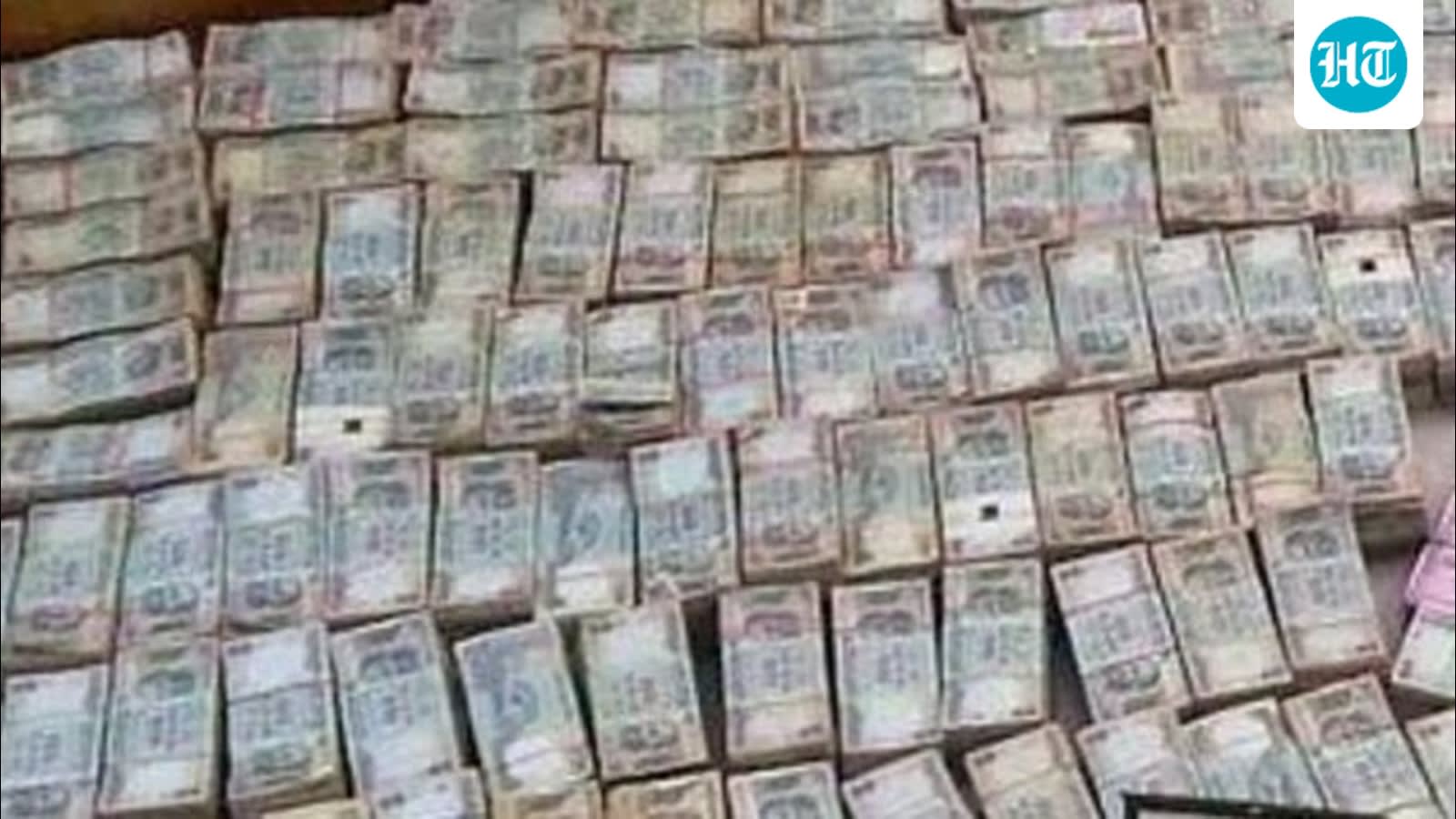
The NIA has arrested a PNB currency chest driver, Adesh Choudhary, in connection with a ₹17.29 crore counterfeit currency case. This arrest marks a widening investigation into the logistics and internal security failures at the Saharanpur facility.
NIA Expands Investigation into Massive Counterfeit Currency Seizure
The Arrest of Adesh Choudhary
The National Investigation Agency (NIA) has officially widened its investigation into the significant counterfeit currency scandal involving the Punjab National Bank (PNB) currency chest in Saharanpur. On Wednesday, the agency apprehended Adesh Choudhary, a contractual driver employed at the facility. This arrest serves as a critical turning point in the probe, shifting the focus from internal bank management to the broader logistical chain responsible for the movement and handling of cash.
Escalation Beyond Bank Officials
Prior to the arrest of Choudhary, the NIA had already taken PNB official Amit Kumar into custody on September 7. By targeting a contractual driver, the investigation now acknowledges that the conspiracy likely involves a diverse network of individuals who facilitate the physical transit of funds. This development suggests that the security breach at the Saharanpur currency chest was not merely a failure of oversight by senior staff but a potential systemic compromise involving those tasked with the daily operation of cash logistics.
Context of the ₹17.29 Crore Seizure
The investigation is centered on the discovery of fake Indian currency notes with a staggering face value of ₹17.29 crore, which were recovered from the PNB facility on August 29. The sheer volume of the counterfeit stash indicates a sophisticated operation capable of infiltrating formal banking infrastructure. The infiltration of a currency chest—a secure area designed for the storage and distribution of legal tender—highlights a vulnerability that threatens the integrity of the national financial system.
Implications for Banking Security
The involvement of both a bank official and a contractual driver paints a concerning picture of internal security protocols. Currency chests are strictly regulated environments meant to prevent the injection of illicit funds into the economy. The fact that such a large quantity of counterfeit notes was discovered within these walls suggests that the perpetrators had enough operational knowledge to bypass existing safeguards, raising questions about current verification processes and personnel vetting procedures.
Future Trends in Financial Crime Investigations
As the NIA continues its probe, the focus will likely move toward identifying the origin of these counterfeit notes and the wider network that utilized the Saharanpur facility as a distribution node. This case will likely force a national review of how public sector banks manage their currency chests, with a particular emphasis on the monitoring of contractual staff and the digital tracking of cash movements. Future regulatory actions may include stricter mandates for audit trails and enhanced security clearances for all personnel, regardless of their employment status.
Conclusion
The arrest of Adesh Choudhary underscores the gravity of the ongoing investigation. By dismantling the layers of conspiracy within the Saharanpur PNB branch, the NIA is not only seeking accountability for the ₹17.29 crore seizure but is also attempting to secure the nation's banking infrastructure against future infiltration. The outcome of this case will serve as a bellwether for how Indian financial institutions handle high-value assets and internal security threats moving forward.
Verification Required?