Moment Esther Rantzen surprises Nicholas Winton with children he saved
Source Entity
BBC News
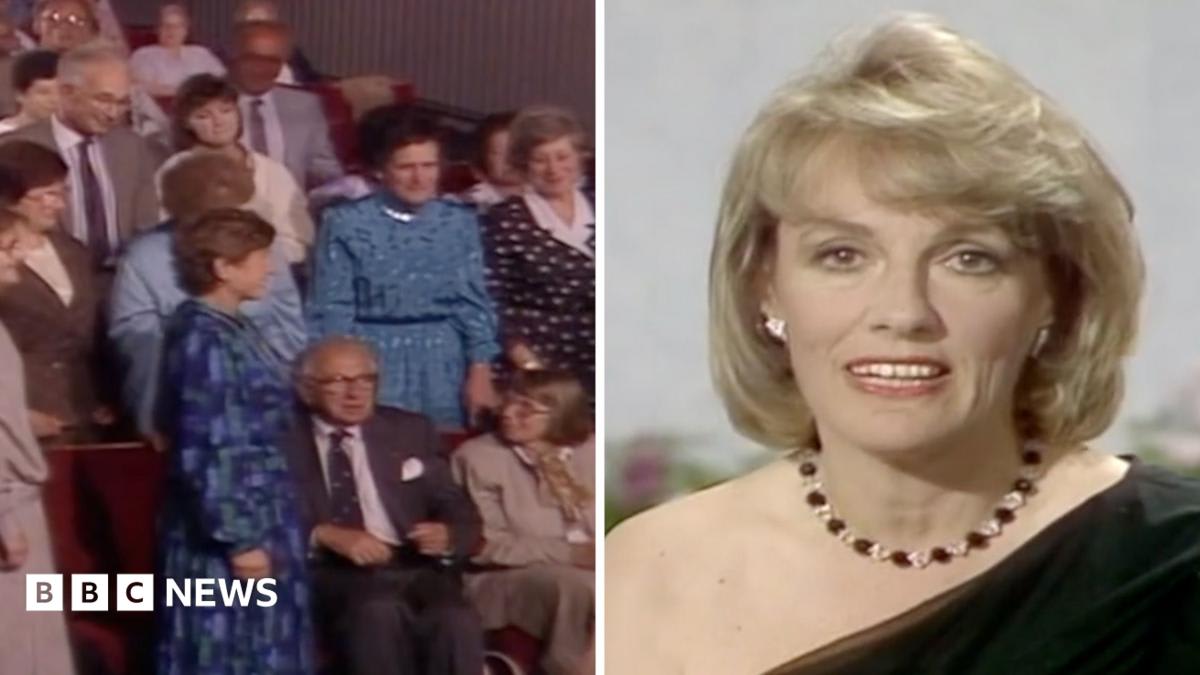
The 1988 'That's Life!' broadcast featuring Sir Nicholas Winton remains a historic moment of television. It unveiled his secret rescue of 669 Jewish children from Nazi-occupied territory during WWII, forever changing how his humanitarian legacy is remembered.
The Unveiling of a Hero: Sir Nicholas Winton and That's Life!
In February 1988, a broadcast of the BBC consumer program That's Life! transformed from a standard television segment into a profound historical revelation. Host Dame Esther Rantzen facilitated a moment that would resonate for decades: the public acknowledgment of Sir Nicholas Winton, a man who had privately carried the weight of his humanitarian efforts for nearly half a century. The broadcast served as a bridge between a forgotten past and a grateful public, marking a defining moment in both television history and Holocaust remembrance.
The Discovery of the Scrapbook
For nearly 50 years, Sir Nicholas Winton’s heroic actions—rescuing 669 children, the majority of whom were Jewish, from Nazi-occupied territories prior to the outbreak of World War II—remained largely unknown. It was not until his wife discovered a detailed scrapbook in their loft that the magnitude of his efforts came to light. This document, which contained the names and identities of the children he had saved, provided the evidence needed to document a feat that Winton himself viewed with quiet, humble disappointment, believing he had not done enough.
A Television Surprise
When Dame Esther Rantzen contacted Winton, she was struck by his humility. She recounted that he felt a sense of failure regarding the number of lives saved, a sentiment that she found devastating given the gravity of his actions. To honor him, she invited him to the That's Life! studio. The resulting surprise, where he was seated between Vera Gissing and Lady Milena Grenfell-Baines—two women he had saved as children—became one of the most viral and moving pieces of archival footage in modern history. It provided Winton with the tangible proof that every life saved was indeed precious.
Impact and Legacy
The emotional resonance of the 1988 episode was not a fleeting phenomenon. Dame Esther Rantzen noted that she personally watched the footage many times and remained deeply moved by the encounter. This television moment did more than just surprise an individual; it sparked a global recognition of Winton’s bravery. By bringing these survivors into the public eye, the program shifted the narrative of Winton’s life from one of hidden service to one of celebrated humanitarianism.
A Lasting Connection
The relationship between Rantzen and Winton extended far beyond the studio lights. Following the 1988 broadcast, the two maintained regular contact until Winton’s passing in 2015 at the age of 106. This ongoing friendship underscores the profound human impact of the That's Life! reveal. It serves as a testament to the power of media to rectify historical silences and ensure that acts of extraordinary courage are properly documented and honored by future generations.